Weiherburg
Weiherburggasse 37-39
Worth knowing
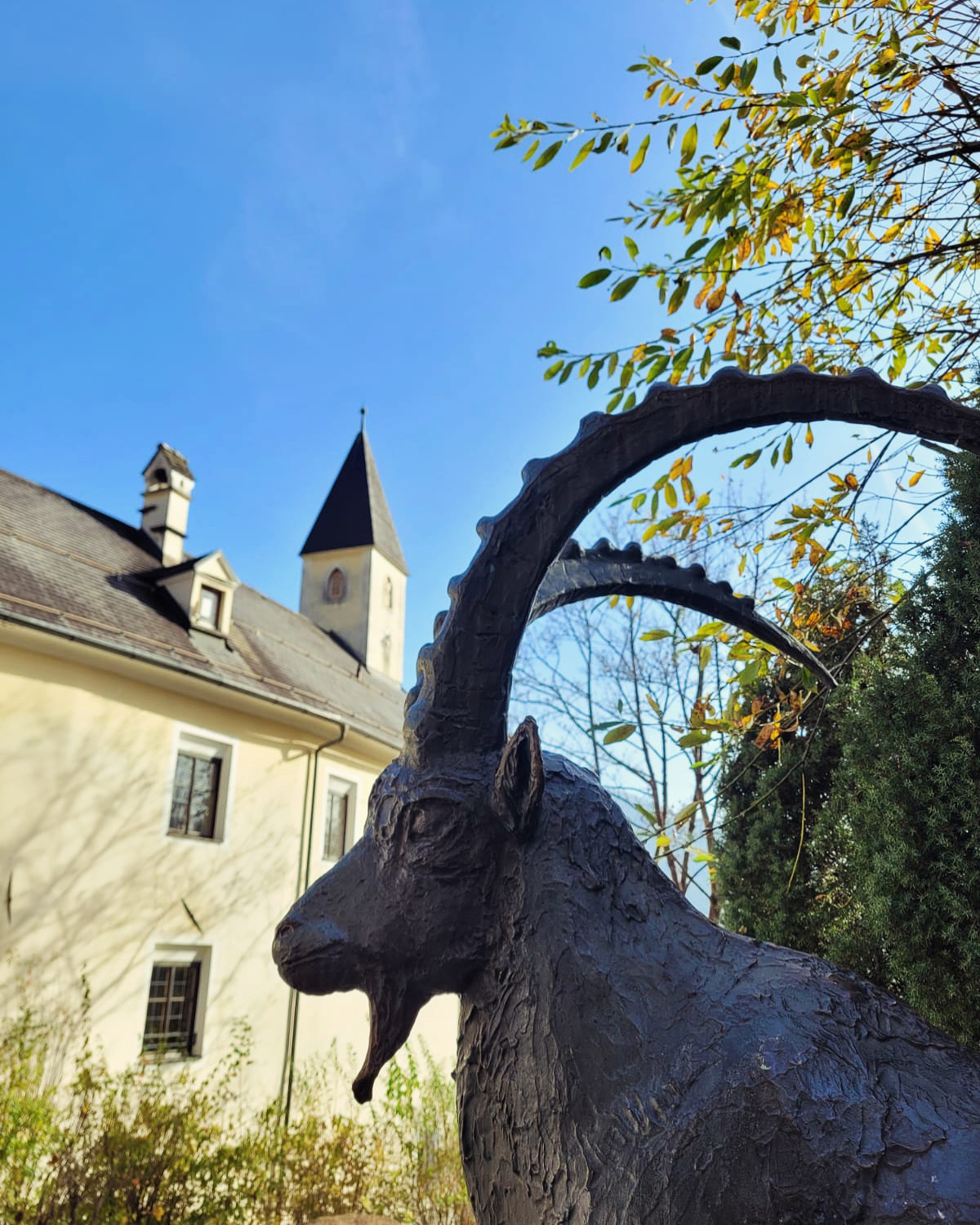
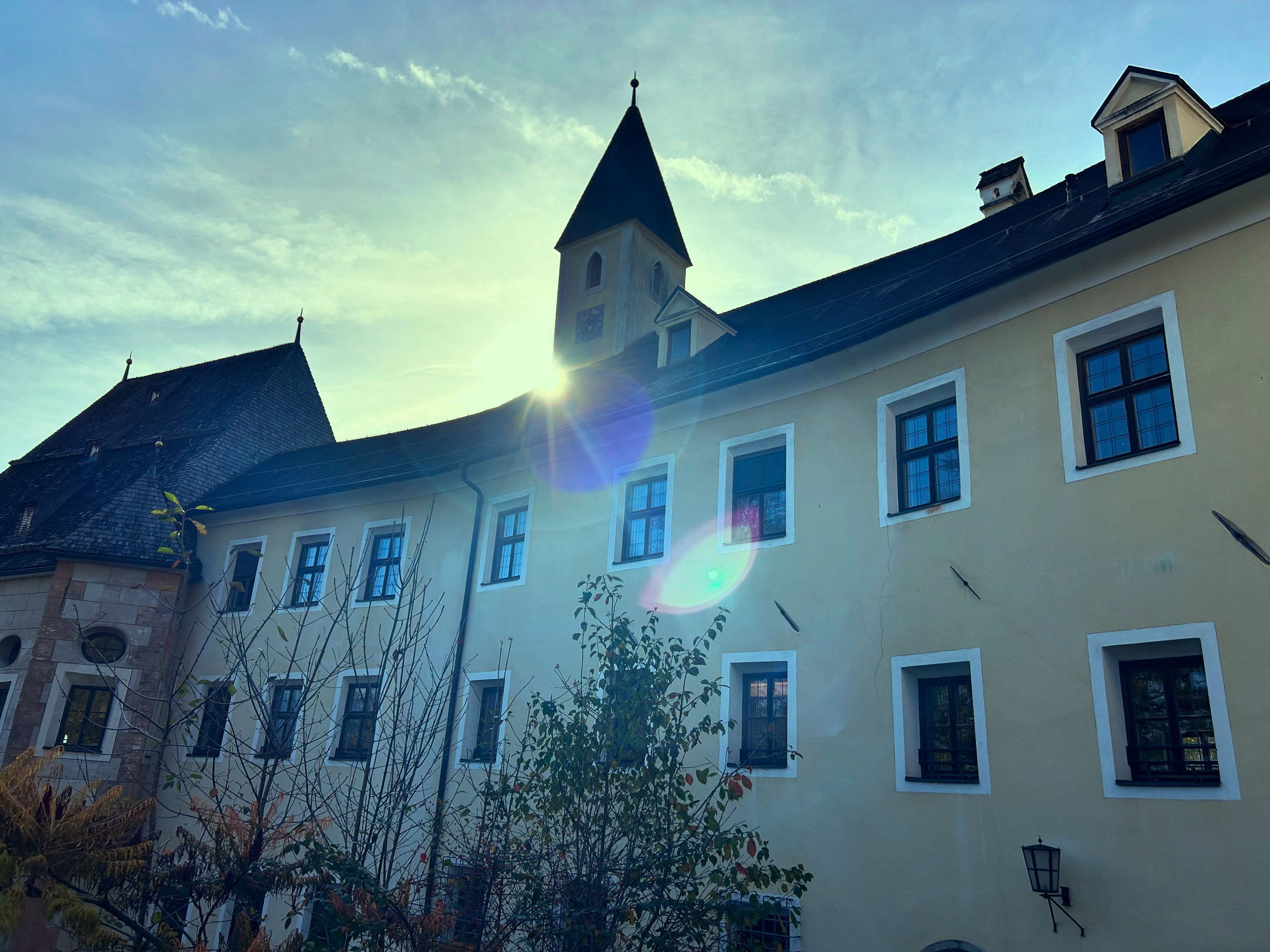
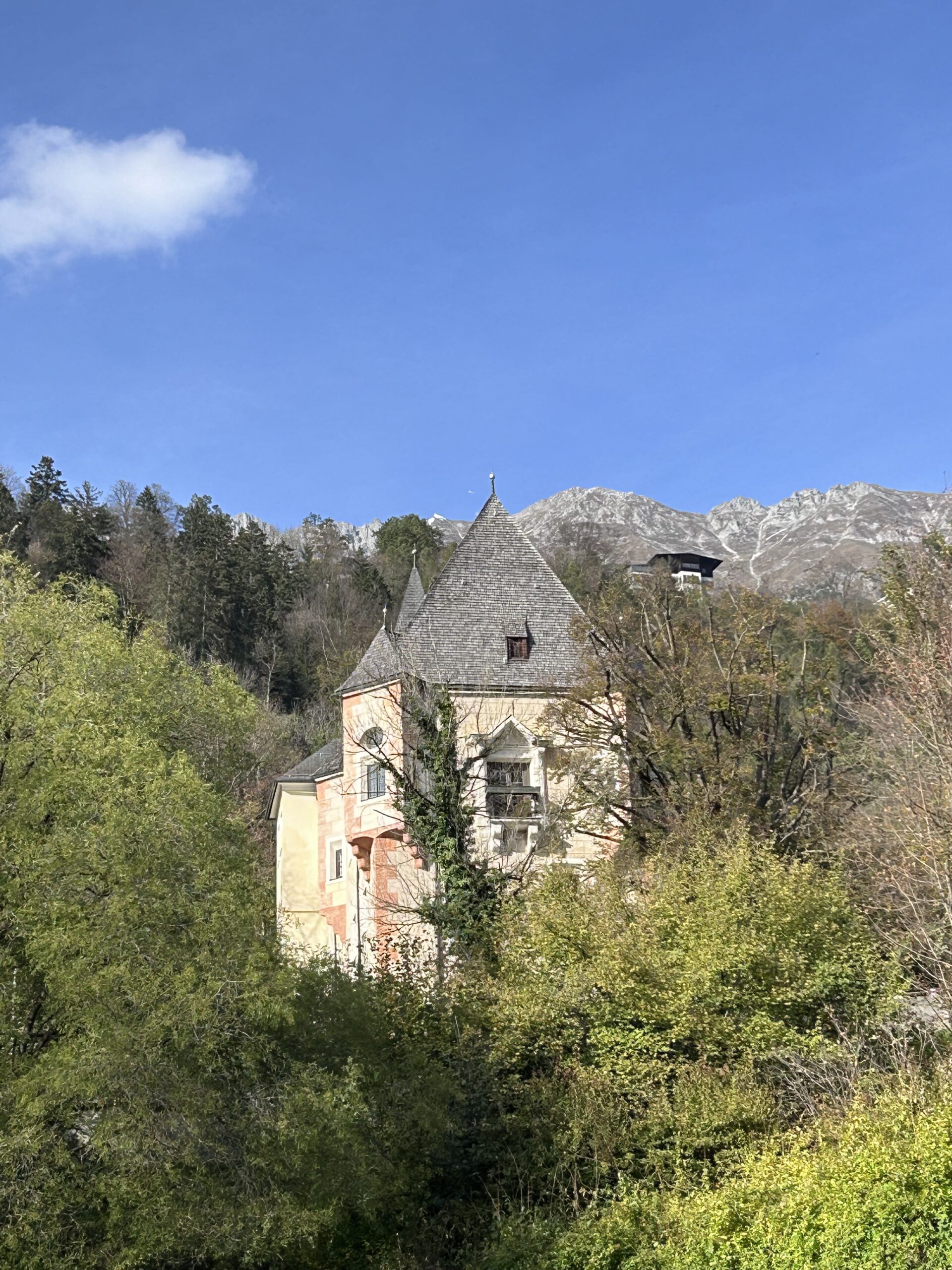
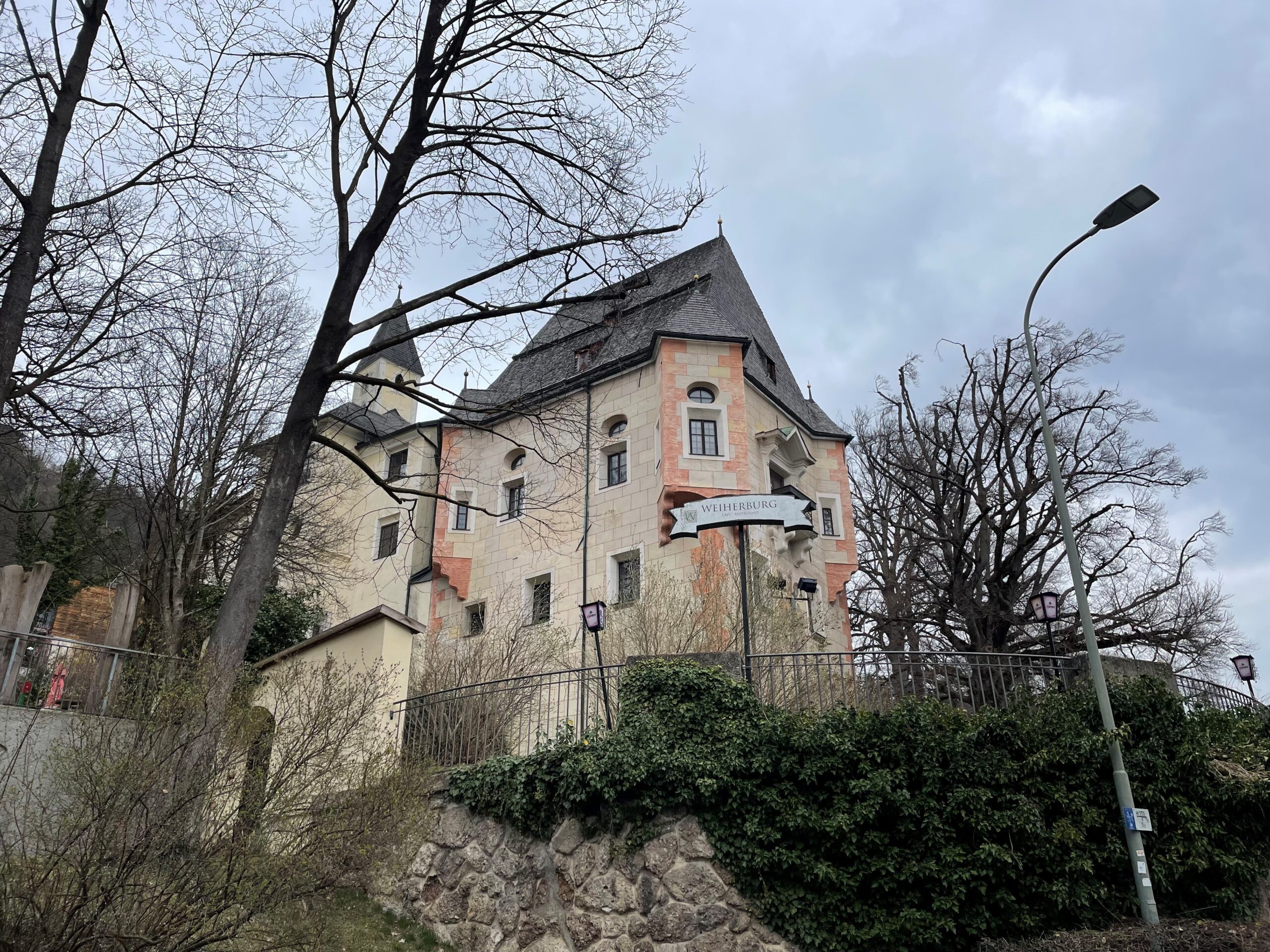
High above the city, at the foot of the Nordkette mountain range, lies the Weiherburg. Only a few parts of the original Gothic structure have been preserved. The southern section facing the street retains a medieval character thanks to its pointed roof and distinctive bay windows. The larger section facing the Alpine Zoo appears very modern due to its smooth façade; only the towering structure rising above it all gives the building a castle-like touch. The coat of arms on the northern façade is likewise not medieval but of more recent origin. The Tyrolean artist Max Spielmann created it in 1978 as part of renovation work. It depicts Emperor Maximilian as a hunter with his hunting dog, and beneath it the coats of arms of Innsbruck, Tyrol and the House of Habsburg. Worth seeing inside is the Langenmantel Hall, with its rich mural paintings rediscovered during renovation work in the 1970s, as well as an original Renaissance fountain. In the chapel of St. Anne on the lower floor, a mass is still held every July on St. Anne’s Day. Alongside the holy figure, the ghost of the former owner Veit Langenmantel is said to still wander through the old walls. He owned the Weiherburg for nearly ten years but financially overextended himself with its reconstruction and had to sell it. Legend has it that Langenmantel’s ghost guards a buried treasure to this day.
Even aside from this ghost story, the list of owners includes several prominent figures of Innsbruck’s history and a number of curiosities. The complex was built around 1460 by Christian Tänzl, one of those rising citizens who took advantage of the era of upheaval and change in Tyrol. He not only acquired wealth and status; the wildlife and fishpond on his land also allowed him to engage in aristocratic hobbies such as hunting and fishing. His fortune was made in the booming Schwaz mining industry. The silver mines of Schwaz were the largest of their kind in the world and transformed the region and its social structure more profoundly than anything before. The mining boom changed the Inn Valley as dramatically as the discovery of oil reshaped the Arabian Peninsula in the 20th century. With 20,000 inhabitants in the 16th century, Schwaz was one of the three largest cities within the Habsburg Empire. A new middle class emerged among the miners. While most workers were unskilled, trained miners were highly sought after and came to Tyrol from all over the German-speaking world. These newcomers brought not only their labor but also new customs, food habits, traditions and religious views. Tänzl, however, was less a middle-class figure and more of an investor, manager and top earner. For a short time, he even owned the impressive Tratzberg Castle near Schwaz. His Tänzl House near the power center of Innsbruck was meant to represent his social status; in 1483 he was ennobled for his achievements.
Only a few years after its construction, Tänzl sold the estate to Prince Sigmund, who used the property to reward deserving members of the court, such as his personal physician. Sigmund’s bond with the doctor was close not only professionally; the doctor’s son had married one of the prince's illegitimate daughters. Weiherburg received its name under Archduke Maximilian I, who is said to have used it as a hunting lodge during his stays in Innsbruck. In truth, he granted the Tänzl House to his trusted official Oswald von Hausen and elevated the estate to the noble seat of “Weyerspurg,” named after the associated fishpond. In 1569, the Weiherburg came into the possession of Anna Welser, who belonged to the wealthy Augsburg merchant family that not only acquired the Weiherburg but also took over a large portion of Tyrol’s mining operations through their investment in Maximilian. Her daughter Philippine married Archduke Ferdinand II. The Weiherburg was closer to the city than Ambras Castle, making it a convenient retreat when Ferdinand wished to avoid the arduous journey south. Ferdinand II also laid the foundation for the building’s modern purpose. He established a small animal park, opened in 1591, which would ultimately lead to today’s Alpine Zoo. Unlike the zoo today, the Renaissance prince did not limit himself to Alpine species—monkeys, lions, leopards, peacocks and ostriches were brought to Innsbruck for the amusement of the ruler and his court. After several changes of ownership, the building passed to the militia major Philipp von Wörndle, who had commanded the victorious defense in the Battle of Spinges against the superior French army during Tyrol’s resistance in 1796. The “Maid of Spinges,” Katharina Lanz, who fought alongside the troops, is considered the Tyrolean equivalent of Joan of Arc. Under Bavarian rule, the celebrated commander was forced to flee the country. The Wörndle family’s coat of arms still adorns the façade of the Weiherburg.
With the end of the Wörndle era, the castle became bourgeois once again. Wörndle’s daughter Maria married Joseph Andreas von Attlmayr. The new owner converted the castle into a hotel to finance its operation without aristocratic privileges. Wealthy English and American tourists ensured its preservation, much like at Büchsenhausen Castle after the revolutions of 1848. Attlmayr expanded his tourist project by purchasing land on the plateau between Gramartboden and Mühlau, from which “Mariabrunn” — today known as Hungerburg — emerged. After the death of his son Richard (1831–1910), the city of Innsbruck purchased the Weiherburg in 1911. Along with preserving the building, the city inherited a unique obligation from the era of Attlmayr Sr.—one that led to the continued preservation of a historic grave on the property. During a stay at the Weiherburg, the young English tourist Richard Tooth died in 1840 at only 22 years old. As he was not Catholic, he could not be buried in any Innsbruck cemetery. Joseph von Attlmayr agreed with the family to maintain his grave for a fee. In typical Innsbruck hotelier fashion, he even managed to turn a profit from a deceased guest. Today, the marble stele with its striking white cross, known as “Richard’s Rest,” is a protected monument.
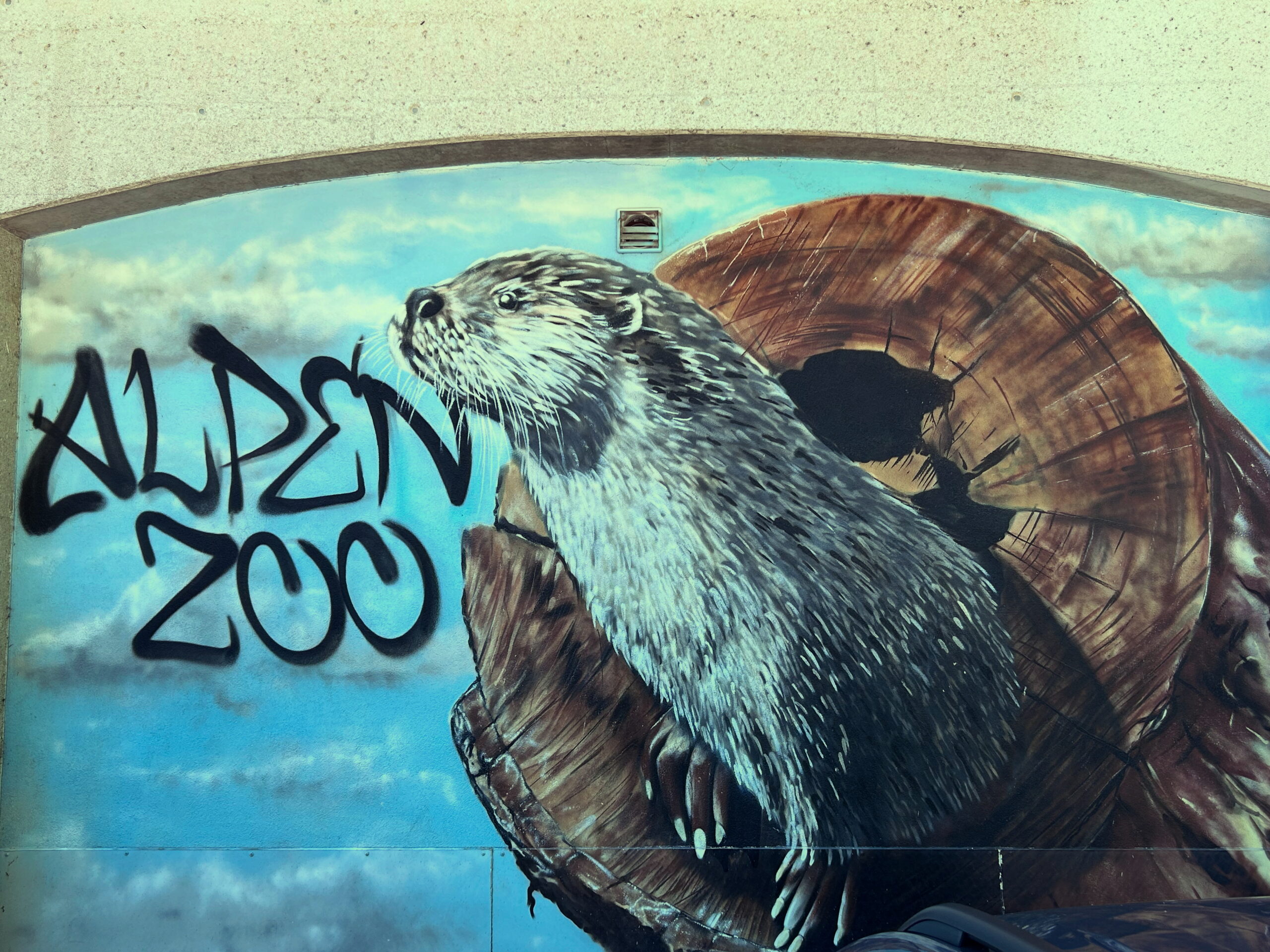
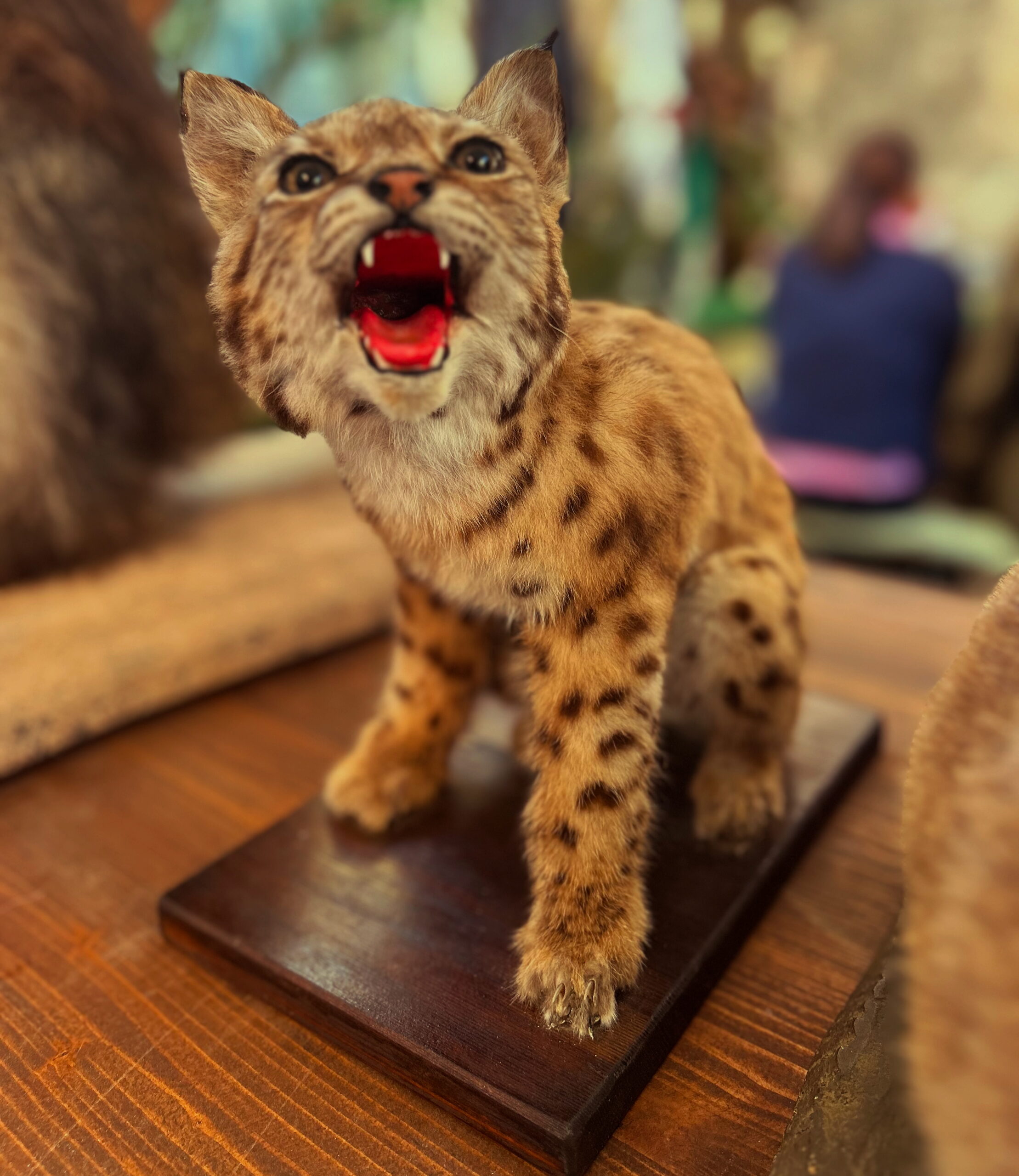
Above the Weiherburg lies one of the city’s most popular excursion destinations. On the grounds of the former fishpond and princely animal park, tourists and locals now mingle in the Alpine Zoo to admire a “best of” of Alpine flora and fauna. In the terraced zoo, visitors can encounter eagles, bears, lynx, wolves, otters, beavers and many other animals native to the Alpine region. The zoo was founded by Hans Psenner (1912–1995) and opened to the public in 1962. What was once the private amusement park of a Tyrolean sovereign is now a place where the city of Innsbruck and the state of Tyrol work to ensure not only that the public can enjoy the animals, but also that many endangered species are preserved in a proper and ethical environment. Additional financial support comes from members of the “Friends of the Alpine Zoo” association and from Tyrolean businesses that sponsor animals.
1796 - 1866: Vom Herzen Jesu bis Königgrätz
The period between the French Revolution and the Battle of Königgrätz in 1866 was a highly warlike era. Many of the later political attitudes, animosities toward other groups, and the European nationalism of the nineteenth and twentieth centuries—which would also shape the history of Innsbruck—had their roots in the conflicts of this time. The monarchies of Europe, led by the Catholic Habsburgs, declared war on the French Republic. Although revolutionary Paris was far away and no comprehensive press system existed for the dissemination of news, the alleged godlessness of the murderers of Marie Antoinette was effectively spread through pamphlets and sermons from church pulpits. Fear arose that the revolutionary slogan “Liberté, Égalité, Fraternité,” along with its principles, might spread throughout Europe. During the Coalition Wars, a young general named Napoleon Bonaparte advanced across the Alps in 1796 with his Italian army and encountered Austrian troops. This was not merely a war over territory and power—it was a clash of systems. The Grande Armée of revolutionary France confronted the forces of the conservative and Catholic Habsburgs. Tyrolean riflemen (Schützen) actively participated in the fighting, defending the province’s borders against the advancing French. The men were accustomed to handling weapons and were considered skilled marksmen. The historian Ludwig Denk described this in a publication from 1860:
"...The Tyrolean's main passion is shooting. Early on, the father takes his son hunting. It is not uncommon to see boys running around with loaded rifles, climbing high mountains and shooting birds or squirrels..."
The strength of units such as the Hötting Rifle Company, established in 1796, lay not in open field battles but in guerrilla warfare. Moreover, they believed they had a secret weapon against the most advanced army of the time: the Sacred Heart of Jesus. Since 1719, Jesuit missionaries had spread devotion to the Sacred Heart even in the most remote valleys, successfully establishing it as a unifying force in the struggle against pagan customs and Protestantism. Faced with the godless revolutionary French, it seemed only natural that the Sacred Heart would once again—after 1703—watch protectively over the Tyrolean warriors of God. In desperate circumstances, the Tyrolean troops renewed their covenant. Against all odds, the riflemen succeeded in their defensive efforts. The abbot of Stams Abbey petitioned the provincial estates that, henceforth, “the Feast of the Divine Heart of Jesus should be celebrated annually with a solemn church service, if Tyrol were freed from the threat of enemy danger.”
Victory in this battle did not change the outcome of the war against Napoleon’s overwhelming forces, nor did it alter the territorial expansion of Tyrol—while Innsbruck’s population declined. During the turmoil of war, the Habsburg territory had expanded without notable military success—and likely without the help of the Sacred Heart. The archiepiscopal territory of Trentino became part of the crown lands through a territorial settlement known as the Reichsdeputationshauptschluss in the final phase of the Holy Roman Empire before its dissolution in 1803. Innsbruck, however, shrank. Fallen soldiers and war-related economic hardship led to a decline in the population from over 9,500 around 1750 to approximately 8,800 in the early decades of the nineteenth century. While this may seem modest in absolute numbers, the consequences were severe: stagnation in urban life. Young men were missing—as labourers, husbands, and fathers. This wartime recession remains largely underrepresented in the city’s historiography. Perhaps the near absence of Biedermeier architecture in Innsbruck can be seen as a subtle reminder of these difficult years.
After the Napoleonic Wars and the reorganisation of Europe at the Congress of Vienna, Tyrol’s borders remained largely peaceful for around thirty years. This changed with the Italian Risorgimento, the national movement led by Sardinia‑Piedmont and France. In 1848, 1859, and 1866, the so‑called Italian Wars of Unification took place. Over the course of the nineteenth century—at the latest since 1848—a fervent nationalist enthusiasm spread among young men of the upper classes across Europe. Volunteer armies sprang up everywhere. Students and academics formed associations; gymnasts and riflemen alike sought to prove their newfound national identity on the battlefield, supporting official armies against their respective enemies. During this time, Innsbruck served as an important logistical hub as a garrison town. Following the Congress of Vienna, the Tyrolean Jäger Corps became the Imperial and Royal Tyrolean Kaiserjäger Regiment, an elite unit deployed in these conflicts. Volunteer formations such as the Innsbruck Academics and the Stubai Riflemen also fought in Italy. Thousands fell in battle against a coalition consisting of the traditional enemy France, the particularly “godless” Redshirts under Giuseppe Garibaldi, and the emerging Kingdom of Italy, formed at Austria’s expense under the leadership of the Francophile House of Savoy from Piedmont. The media further inflamed sentiment behind the front lines. The Innsbrucker Zeitung preached loyalty to the emperor and a Greater German‑Tyrolean nationalism, railed against Italians and the French, and celebrated the bravery of Tyrolean soldiers. One report stated:
“The strong occupation of the heights at the exit of the Valsugana near Primolano and Le Tezze has often given the Innsbruck Academics I and the Stubai riflemen cause to undertake voluntary excursions against Le Tezze, Fonzago, and Fastro, as well as to the right bank of the Brenta and the heights opposite the small camps of the Sette Comuni… On the 19th, the Stubai riflemen had already struck down several enemies when they ventured down for the first time, creeping up on them…”
Probably the most famous battle of the Wars of unification fand in Solferino 1859 in der Nähe des Gardasees statt. Entsetzt vom blutigen Geschehen entschloss sich Henry Durant das Rote Kreuz zu gründen. Der Schriftsteller Joseph Roth beschrieb das Geschehen auf den ersten Seiten seines Romans Radetzkymarsch.
"In the battle of Solferino, he (note: Lieutenant Trotta) commanded a platoon as an infantry lieutenant. The battle had been going on for half an hour. Three paces in front of him he saw the white backs of his soldiers. The first row of his platoon was kneeling, the second was standing. Everyone was cheerful and certain of victory. They had eaten copiously and drunk brandy at the expense and in honour of the emperor, who had been in the field since yesterday. Here and there one fell out of line."
The year 1866 proved particularly catastrophic for the Austrian Empire. In Italy, Venetia and Lombardy were lost. In the north, the Habsburg army suffered a devastating defeat at the Battle of Königgrätz. After this short “brother’s war,” Prussia took over leadership of the German Confederation from the Habsburgs. Austria’s reorientation toward the east meant that Innsbruck definitively became a city on the western periphery of the empire. This shift was accompanied by a resurgence of nationalist ideas, particularly among Innsbruck’s liberal upper bourgeoisie. Support for the “Greater German solution”—a united state with the German Empire rather than the Austro‑Hungarian Monarchy—was especially strong. The extent to which this German Question divided the city became apparent more than thirty years later, when the Innsbruck city council proposed naming a street after Otto von Bismarck. While conservative loyalists reacted with outrage, the liberal Greater German faction around Mayor Wilhelm Greil welcomed the idea. After the Second World War, the defeat at Königgrätz supported Austria’s narrative of being the first victim of National Socialism, as it had already been excluded from a unified German state in 1866.
To this day, the conflicts at Tyrol’s southern borders continue to shape tradition and the cityscape. The Sacred Heart celebrations were long marked by great pomp and, especially in the nineteenth and early twentieth centuries, developed into a volatile mixture of superstition, Catholicism, and ethnic nationalism directed against French and Italian influences. Countless soldiers continued to entrust their fate to the Sacred Heart even amidst the shellfire of the First World War. Alongside Cranach’s Madonna of Mercy, the flaming Sacred Heart remains one of the most popular Christian motifs in Tyrol and adorns the façades of countless buildings. With sites such as the Tummelplatz, the Pradl Military Cemetery, and the Kaiserjäger Museum on Bergisel, Innsbruck preserves several places of remembrance for these bloody conflicts, in which many of its residents marched off to war and never returned.
Philippine Welser: Little Venice, cookery & herbalism
Philippine Welser (1527–1580) was the wife of Archduke Ferdinand II and ranks among the most popular historical figures associated with Innsbruck. To this day, she is often portrayed as a woman of humble origins who rose to the highest social circles through the power of love. This portrayal, however, is not entirely accurate. The Welser family was among the wealthiest families of their time. Her uncle Bartholomäus Welser was comparable in financial stature to Jakob Fugger and likewise belonged to the class of merchants and financiers who amassed immense wealth around 1500. The pillars of his prosperity—comparable to that of today’s tech billionaires—were the spice trade with India, mining, and the metals trade with the American colonies. Welser had also extended loans to the Habsburgs, which he was to recover in a momentous way. Instead of repaying the debts, Emperor Charles V pledged part of the territories newly annexed from the Spanish crown in America to the Welser family. In return, they were permitted to secure and develop the land as the colony of Klein‑Venedig (Little Venice), present‑day Venezuela, by establishing fortresses and settlements. They equipped expeditions in search of the legendary land of gold, El Dorado. In order to maximize profits from their fief, they set up trading posts and participated in the lucrative transatlantic slave trade between Europe, West Africa, and the Americas. The first generation of conquistadors, acting in the service of early capitalism in South and Central America, proceeded with such brutality that the distant Spanish authorities were forced to intervene. After 1530, Charles V prohibited the trade in Indigenous people from South America; however, the use of enslaved Africans on plantations and in mines was not affected by this regulation. This continued inhumane conduct on the part of the Welser representatives led to complaints at the imperial court in 1546. As a result, their fief over Klein‑Venedig was revoked, although their trading networks remained intact.
The young Philippine benefited from her family’s well‑established connections to the aristocracy. What followed was one of the most sensational celebrity marriages of the early modern period. Ferdinand and Philippine met at a Carnival ball in Pilsen. The Habsburg fell head over heels in love with the wealthy woman from Augsburg and married her. The secret marriage met with little enthusiasm within the House of Habsburg, even though business relations between the old nobility and the nouveau‑riche Augsburg merchant families had existed for decades and the Welser fortune was very welcome. Despite their wealth, marriages between commoners and nobles were considered scandalous and socially inappropriate. Ferdinand is said to have been utterly infatuated with his beautiful wife throughout his life and therefore to have disregarded all social conventions of the time. According to contemporary witnesses, her skin was so delicate that “one could see a sip of red wine flowing through her throat.” It comes as no surprise that the Tyrolean ruler had Ambras Castle lavishly remodelled for her. His brother Maximilian even remarked that Ferdinand was “enchanted” by the beautiful Philippine Welser, when Ferdinand withdrew his troops during the Turkish war to return home to his wife—though he added less charitably: “…I wish the wench were put into a sack and that no one knew where she was. God forgive me.” The Emperor only recognised the marriage after the couple had asked for forgiveness and pledged lifelong secrecy. The children of this morganatic marriage were therefore excluded from the line of succession.
Philippine Welser’s great passion was cooking. A collection of her recipes is still preserved today in the Austrian National Library. In the Middle Ages and the early modern period, the culinary arts were cultivated exclusively by the wealthy and the nobility, while the vast majority of subjects ate whatever was available. For centuries—indeed until the 1950s—people lived under conditions of chronic calorie deficiency. While today excessive consumption leads to illness, our ancestors suffered from diseases caused by malnutrition. Fruit was rarely part of the diet, as was meat. Food was monotonous and barely seasoned; spices such as exotic pepper were luxury goods beyond the reach of ordinary people. Whereas the daily fare of the common population was focused almost entirely on the most efficient intake of calories needed for physical labour, attitudes towards food and drink began to change in Innsbruck under Ferdinand II and Philippine Welser. Since the reign of Frederick IV, the court had already contributed to a gradual refinement of manners and customs in Innsbruck. Philippine Welser and Ferdinand elevated this development to new heights at Ambras Castle and the Weiherburg. The banquets they hosted were legendary and not infrequently degenerated into excesses. Her second great interest was herbal medicine. Philippine documented how plants and herbs could be used to alleviate physical ailments of all kinds. One of her recommendations read: “To make the teeth white and fresh and to kill the worms therein: take rosemary wood and burn it to charcoal, grind it into powder, bind it in a small silk cloth and rub the teeth with it.” For her studies and interests, she had a herb garden laid out at Ambras Castle in Innsbruck.
According to contemporary accounts, she was very popular among the Tyrolean population, as she showed great care for the poor and needy. Such charitable welfare, organised by the city council and sponsored by wealthy citizens and nobles, was not exceptional at the time but common practice. Nowhere, it was believed, could one come closer to salvation in the afterlife than through Christian charity (caritas). Philippine Welser found her final resting place after her death in 1580 in the Silver Chapel of the Court Church in Innsbruck, where she was buried together with her children who had died in infancy and with Ferdinand. Below Ambras Castle, the Philippine‑Welser‑Straße still commemorates her today.
Ferdinand II: Principe and Renaissance prince
Archduke Ferdinand II of Austria (1529–1595) ranks among the most colourful figures in Tyrolean regional history. His father, Emperor Ferdinand I, ensured that he received an excellent education. Ferdinand grew up at the Spanish court of his uncle, Emperor Charles V. The years of his formal education coincided with the early phase of Jesuit influence at the Habsburg courts. The young statesman was educated by these devout scholars entirely in the spirit of Christian humanism, complemented by instruction in the customs and etiquette of the High Renaissance aristocracy. In his youth, Ferdinand travelled extensively through Italy and Burgundy, where he became acquainted with a refined and luxurious courtly lifestyle that had not yet been established among the German aristocracy. He also spent several formative years in Innsbruck. Ferdinand was what one might today describe as a globetrotter, a member of the educational elite, or a cosmopolitan. He was regarded as intelligent, charming, and artistically inclined. Among contemporaries less enamoured of his eccentricity, however, he was reputed to be immoral and hedonistic. Even during his lifetime, rumours circulated that he hosted extravagant and indecent orgies. This reputation was likely connected to his private life. In a first, “semi‑morganatic” marriage, Ferdinand was wed to the commoner Philippine Welser. After the death of his first wife, Ferdinand married at the age of fifty‑three the deeply religious Anna Caterina Gonzaga, a sixteen‑year‑old princess of Mantua. Mutual affection between the two appears to have been limited, not least because Anna Caterina was Ferdinand’s niece. The Habsburgs were far less squeamish about marriages within the family than about unions between nobles and commoners. From this marriage, too, Ferdinand “only” fathered three daughters.
After the rarely Ferdinand I, Innsbruck once again gained a resident ruler. Ferdinand’s father divided his realm among his sons. Maximilian II, suspected by his parents of heresy and sympathy with Protestant doctrines, inherited Upper and Lower Austria as well as Bohemia and Hungary. Ferdinand’s younger brother Charles ruled Inner Austria—Carinthia, Styria, and Carniola. The middle son received Tyrol, which at the time extended as far as the Engadin, along with the fragmented Habsburg possessions west of the central European core lands. The golden age of silver mining in Tyrol was already fading. The mines of Schwaz were becoming unprofitable due to cheap silver imports from the Americas. The influx of precious metals from the Habsburg territories in New Spain led to inflation. These financial challenges did not deter Ferdinand from commissioning extensive public and private infrastructure projects. Innsbruck benefited enormously—economically and culturally—from once again becoming the seat of an active ruler after years of neglect following Maximilian’s death. Ferdinand’s archducal presence attracted aristocrats and officials back to the city. By the late 1560s, the administrative apparatus had grown once again to around one thousand people, whose spending stimulated local commerce. Bakers, butchers, and inns flourished after leaner years. By the end of the sixteenth century, Innsbruck had an above‑average number of taverns compared to other cities, profiting handsomely from merchants, travellers, and guests. Wine taverns also functioned as storage and trading centres.
The Italian cities of Florence, Venice and Milan were trendsetters in terms of culture, art and architecture. Ferdinand's Tyrolean court was to be in no way inferior to them. Gone were the days when Germans were considered uncivilised in the more beautiful cities south of the Alps, barbaric or even as Pigs were labelled. To this end, he had Innsbruck remodelled in the spirit of the Renaissance. In keeping with the trend of the time, he imitated the Italian aristocratic courts. Court architect Giovanni Lucchese assisted him in this endeavour. Ferdinand spent a considerable part of his life at Ambras Castle near Innsbruck, where he amassed one of the most valuable collections of works of art and armour in the world. Ferdinand transformed the castle above the village of Amras into a modern court. His parties, masked balls and parades were legendary. During the wedding of a nephew, he had 1800 calves and 130 oxen roasted. Wine is said to have flowed from the wells instead of water for 10 days.
The transformation of Innsbruck did not end with Ambras Castle. West of the city, an archway still commemorates Ferdinand’s game reserve, complete with a pleasure pavilion (Lusthaus), also designed by Lucchese. To allow the sovereign access to his weekend residence, a road was laid through the marshy Höttinger floodplains, forming the basis of today’s Kranebitter Allee. The Lusthaus was replaced in 1786 by the structure now known as the Powder Tower (Pulverturm), which today houses parts of the University of Innsbruck’s Faculty of Sport Science. In the city centre, Ferdinand commissioned the princely Comedihaus on today’s Rennweg. To improve Innsbruck’s water supply, the Mühlau Bridge was constructed, allowing water from the Mühlau stream to be channelled into the city. The Jesuits, who had arrived in Innsbruck shortly before Ferdinand’s accession to counter reformers and critics of the Church and to reorganise education, were granted a new church in Silbergasse. Numerous new buildings—including the monasteries of the Jesuits, Franciscans, Capuchins, and Servite nuns—stimulated crafts and construction. These new orders supported Ferdinand’s emphasis on the confessional conformity of his subjects. In the Tyrolean Provincial Ordinance of 1573, Ferdinand not only sought to curb fornication, profanity, and prostitution, but also obliged his subjects to live a God‑fearing—i.e. Catholic—life. The “Prohibition of Sorcery and Superstitious Divination” outlawed any deviation from the true faith under threat of imprisonment, corporal punishment, and confiscation of property. Jews were required to wear a clearly visible yellow ring on the left side of their clothing. At the same time, Ferdinand brought a Jewish financier to Innsbruck to manage the court’s complex finances. Samuel May and his family lived in the city as protected court Jews; Daniel Levi entertained the archduke with dance and harp music, while Elieser Lazarus served as his personal physician.
To live lavishly, tax the population heavily, tolerate Protestant advisers at court while suppressing Protestantism among the populace posed no contradiction for a Renaissance prince. Ferdinand saw himself as Advocatus Ecclesiae, the secular representative of the Church, responsible in an absolutist confessional sense for the salvation of his subjects’ souls. At the age of fifteen, he had already marched into battle with his uncle Charles V during the Schmalkaldic War against the enemies of the Roman Church. Coercive measures, the founding of churches and monasteries—such as those of the Franciscans and Capuchins in Innsbruck—improved pastoral care, and Jesuit theatrical productions like The Beheading of John were among the preferred weapons against Protestantism. Ferdinand’s piety was sincere, yet like most of his contemporaries he was adept at adapting to circumstances. His policies reflected the influence of contemporary Italian avant‑garde thought. Machiavelli’s Il Principe argued that rulers were permitted whatever was necessary for success—and could be deposed if they failed. Ferdinand II sought to embody this early absolutist style of leadership and, with his Provincial Ordinance, introduced a comparatively modern legal framework. For his subjects, however, this meant higher taxes, as well as significant restrictions on common land usage, fishing, and hunting rights. Miners, mining entrepreneurs, and foreign trading companies with their counting houses in Innsbruck further drove up food prices. In summary, while Ferdinand enjoyed exclusive hunting privileges on his estates, his subjects endured hardship caused by rising burdens, inflation, and game damage exacerbated by hunting bans. Owing largely to his architectural legacy, Ferdinand continues to enjoy a favourable reputation today. The eccentric archduke found his final resting place—fittingly according to his own tastes—in the Silver Chapel, beside his first wife, Philippine Welser.
Maximilian I. and his times
Maximilian ranks among the most significant figures not only in the history of Innsbruck, but in European history as a whole. Of this mountainous land he is said to have remarked: “Tyrol is a coarse peasant’s coat, but one that keeps you warm.” There were many reasons for this special affection. His father, Frederick III, had been born in Innsbruck in 1415, before the city became a princely residence. Like many of his peers in the high aristocracy, Maximilian was an enthusiastic hunter, and the city’s location amid floodplains, forests, and mountains is said to have exerted on him a particular appeal—much as it still does today on German students. Despite these convincing “soft facts,” it was probably more tangible reasons that led him to conduct a considerable part of his governmental business from Innsbruck. In 1490, at the request of the Estates of the Land, he assumed the government of Tyrol from his predecessor Sigismund. The powerful Habsburg was unwilling to relinquish the important assets the region had to offer from the Habsburg portfolio. Maximilian transformed the former trading settlement on the Inn into one of the most important centers of the Holy Roman Empire, thereby permanently shaping its destiny. Innsbruck’s strategically advantageous location close to the Italian theaters of war also made the city highly attractive to the Emperor. Many Tyroleans were compelled to enforce the imperial will on the battlefield instead of tending their own fields. This changed only toward the end of his reign. In 1511, Maximilian granted the Tyroleans the Tyrolean Landlibell, a kind of constitution, which stipulated that they could only be called upon for military service in defense of their own land. What admirers of Maximilian—who like to regard the document as a charter of liberty—often overlook are the associated obligations, such as the levying of special taxes in the event of war. For Innsbruck the arrangement paid off in any case—if not financially, then at least culturally. “Whoever does not create a memory for himself in life will have no memory after death, and such a person will be forgotten with the peal of the bell.” Maximilian countered this fear quite successfully and deliberately through the erection of highly visible symbols of imperial power, such as the Golden Roof. Propaganda, imagery, and media played an increasingly important role, not least due to the emergence of printing. Maximilian made deliberate use of art and culture to maintain his presence. He kept a Reich Chapel Choir, a musical ensemble that performed primarily at public appearances and receptions of international envoys. A veritable cult of personality was staged around him through coins, books, printed works, and paintings.
For all the romance cultivated by this lover of courtly traditions and classical chivalry, Maximilian was a cool-headed power politician. His cultural policy and propaganda may have drawn on medieval models, but in realpolitik terms he was forward-looking. During his reign, political institutions such as the Imperial Diet (Reichstag), the Imperial Aulic Council (Reichshofrat), and the Imperial Chamber Court (Reichskammergericht) emerged, strictly regulating the relationship between subjects, territorial lords, and monarchy. Around 1500, Tyrol had approximately 300,000 inhabitants. More than 80 percent worked in agriculture and lived largely from the yields of their farms. In a veritable frenzy of new legislation, Maximilian curtailed peasant rights to the commons. Timber harvesting, hunting, and fishing were subordinated to the territorial lord and were no longer communal rights. This had negative effects on peasant self-sufficiency. Thanks to the new laws, hunters became poachers. Meat and fish, long staples of the medieval diet, became luxuries that could often only be obtained illegally. As a result, Maximilian was unpopular among large segments of the population during his lifetime.
Restrictions on self-sufficiency were joined by new taxes. It had always been customary for sovereigns to impose additional taxes on the population in the event of war. Maximilian's warfare differed from medieval conflicts. The auxiliary troops and their noble, chivalrous landlords were supplemented or completely replaced by mercenaries who knew how to use modern firearms.
This new way of waging war consumed enormous sums. When revenues from princely rights—such as minting, market, mining, and customs monopolies—were no longer sufficient, various population groups were taxed according to their estate and wealth. The system, however, was still far removed from today’s differentiated taxation models and consequently produced injustice and resentment. One example was Maximilian’s Gemeiner Pfennig. This wealth tax ranged from 0.1 to 0.5 percent of assets but was capped at one gulden. Jews, irrespective of their wealth, were required to pay a poll tax of one gulden. For the first time, princes were also obliged to contribute, but due to the cap they paid no more than a middle-class Jew. The proclamation and execution of the tax fell to prelates, parish priests, and secular lords. Priests were required to announce the tax from the pulpit on three successive Sundays, collect contributions together with court representatives, and enter them into the imperial tax register. It soon became clear that this method of taxation was unworkable. A modern system and tax model were required. A collegial chamber, the Regiment, centrally supervised Tyrol and Further Austria following the modern model of Burgundian financial administration that Maximilian had encountered during his time in the Netherlands. Innsbruck became the financial and accounting center of the Austrian lands. The Audit Chamber (Raitkammer) and the Privy Treasury (Hauskammer) were located in the Neuhof, where today the Golden Roof looks down over the old town. In 1496, the financial resources of the Austrian hereditary lands were consolidated in the treasury in Innsbruck. The head of the Court Chamber was the Bishop of Brixen, Melchior von Meckau, who increasingly involved the Fugger family as creditors. Officials such as Jakob Villinger (1480–1529) handled financial transactions with banking houses across Europe using the Italian-influenced method of double-entry bookkeeping and attempted to keep imperial finances under control. Talented minor nobles and citizens, trained jurists, and professional administrators replaced the high nobility in leading roles. Financial experts from Burgundy held the commercial leadership of the Regiment. The boundaries between finance and other fields such as war planning and domestic policy became fluid, granting this new administrative class considerable power. Where once equilibrium between territorial lord, church, landlord, and subject had rested on a balance of contributions and military protection, this system was now enforced through coercion from above. Maximilian argued that it was the duty of every Christian, regardless of estate, to defend the Holy Roman Empire against external enemies. The records surrounding disputes between king, nobility, clergy, peasants, and towns over tax obligations strongly resemble modern political debates on power and wealth distribution. The crucial difference from earlier centuries lay in the fact that the modern administrative apparatus now made it possible to enforce and collect these taxes. Comparisons to mandatory cash registers, the taxation of tips in the hospitality industry, or debates over abolishing cash transactions suggest themselves. Capital followed political significance to Innsbruck as well. During his reign, Maximilian employed 350 councillors. Nearly a quarter of these well-paid officials came from Tyrol. Envoys and politicians from across Europe, extending as far as the Ottoman Empire, as well as nobles, built residences in Innsbruck or stayed in its inns. Much like today’s oil wealth draws specialists of all kinds to Dubai, Schwaz silver and the financial economy it generated once attracted experts of all kinds to Innsbruck—a small city amid the inhospitable Alps.
Under Maximilian’s rule, Innsbruck underwent architectural and infrastructural transformation on an unprecedented scale. In addition to constructing the prestigious Golden Roof, he remodeled the Imperial Palace, began construction of the Court Church, and created the Innsbruck Arsenal, Europe’s leading weapons manufactory. Streets through the old town were reinforced and paved for the refined members of the court. As a pious Christian in the chivalric tradition, the Emperor also aided the poorest members of society. In 1499 he renovated and expanded the Salvator Chapel, a hospital for destitute Innsbruck residents who had no claim to a place in the municipal hospital. In 1509, the inner-city cemetery was relocated from today’s Cathedral Square to behind the municipal hospital, at what is now Adolf-Pichler-Platz. Maximilian rerouted the trade road through present-day Mariahilf and improved the city’s water supply. A fire ordinance for Innsbruck followed in 1510. He also began to curtail the privileges of Wilten Abbey, the largest landowner in what is today the city area. Infrastructure owned by the monastery—such as mills, sawmills, and the Sill Canal—was to come under stronger princely control.
The imperial court and the affluent administrative class resident in Innsbruck transformed the city’s appearance and demeanor. Maximilian had introduced the refined courtly culture of Burgundy to Central Europe through his first wife. Culturally, however, it was above all his second wife, Bianca Maria Sforza, who promoted Innsbruck. Not only was their royal wedding celebrated there, she also resided in the city for long periods, as it lay closer to her native Milan than Maximilian’s other residences. She brought her entire court from the Renaissance metropolis into the German lands north of the Alps. Art and entertainment in all forms flourished.
Under Maximilian, Innsbruck not only became a cultural centre of the empire, the city also boomed economically. Among other things, Innsbruck was the centre of the postal service in the empire. Maximilian was able to build on the expertise of the gunsmiths who had already established themselves in the foundries in Hötting under his predecessor Siegmund. Platers, foundry operators, powder stampers and cutlers settled in Neustadt, St. Nikolaus, Mühlau, Hötting and along the Sill Canal. The Fugger merchant dynasty maintained an office in Innsbruck. In addition to his favoured love of Tyrolean nature, the treasures such as salt from Hall and silver from Schwaz were at least as dear and useful to him. Maximilian financed his lavish court, his election as king by the electors and the eight-year war against the Republic of Venice by mortgaging the country's mineral resources, among other things.
Assessing Maximilian’s impact on Innsbruck is challenging. Expressions of affection by an emperor naturally flatter the popular imagination to this day. His material legacy, with its many monumental buildings, reinforces this positive image. He made Innsbruck an imperial residence and advanced infrastructural modernization. Thanks to the arsenal, the city became a center of the arms industry, the treasury of the Empire, and expanded both economically and spatially. Yet the debts he incurred and the regional assets he pledged to the Fugger family shaped Tyrol after his death just as profoundly as the strict laws he imposed on the common population. He is said to have left debts amounting to five million gulden—an amount his Austrian territories could have earned over twenty years. Outstanding payments ruined many businesses and service providers after his death, leaving them stranded on imperial promises. Early modern rulers were not bound by their predecessors’ liabilities; only agreements with the Fugger family constituted an exception, as these involved collateral rights. In the legends surrounding the Emperor, these harsh realities are far less present than the Golden Roof and the soft facts learned in school. In 2019, celebrations marking the 500th anniversary of the death of what was arguably the most important Habsburg for Innsbruck were held under the slogan “Tyrolean at heart, European in spirit.” The Viennese-born ruler was benevolently naturalized. Salzburg has Mozart; Innsbruck has Maximilian—a Emperor whom Tyroleans have adapted to fit the desired identity of Innsbruck as a rugged character happiest in the mountains. His distinctive face today adorns all manner of consumer goods, from cheese to ski lifts; the Emperor serves as patron for all kinds of the profane. Only for political agendas is he less easily harnessed than Andreas Hofer. For the average citizen, it is probably easier to identify with a revolutionary innkeeper than with an emperor.
Tourism: From Alpine summer retreat to Piefke Saga
In the 1990s, an Austrian television series caused a scandal. Die Piefke Saga, written by the Tyrolean author Felix Mitterer, portrayed in four darkly humorous and revealing episodes the relationship between the German tourist family Sattmann and their hosts in a fictional Tyrolean holiday resort. Despite all justified criticism of modern tourism and its sometimes extreme excesses, one should not forget that tourism in the nineteenth century was an important driving force for the development of Innsbruck and its surroundings—not only economically. The first travellers to visit Innsbruck were pilgrims and “business people” of the early modern period. Merchants, journeymen on their travels, officials, soldiers, entourages of visiting nobility, skilled labourers, miners, clergy, pilgrims, and scholars were the earliest “tourists” attracted to the city between Italy and the German lands. Travel was expensive, dangerous, and arduous. Moreover, many subjects were not permitted to leave their place of origin without the consent of their feudal lord or abbot. Those who travelled usually did so on foot. Although Innsbruck’s inns and taverns profited from travellers as early as the Middle Ages and the early modern period, tourism in the modern sense did not yet exist. This began only when a few eccentrics were first drawn to mountain peaks. For this to happen, not only was a growing middle class required, but also a new perception of the Alps. For a long time, mountains had been regarded purely as a threat. It was primarily the British who, having explored the world’s oceans, now sought to conquer its mountain ranges as well. From the late eighteenth century onward, during the Romantic period, travel accounts began to spread the idea of the natural beauty of the Alps. The first foreign-language travel guide to Tyrol, Travels through the Rhaetian Alps by Jean François Beaumont, appeared in 1796. In addition to the alpine scenery, it was also the “wild and exotic natives” of Tyrol that fascinated international audiences. The bearded rebel Andreas Hofer, who had managed to challenge Napoleon’s army with a peasant force, attracted as much attention in Britain—the traditional enemy of France—as among German nationalists north of the Alps, who saw in him a kind of proto-German figure. Tyroleans were perceived as a stubborn, archetypal, and untamed people, comparable to the Germanic tribes under Arminius who had once resisted the Roman Empire. Descriptions of Innsbruck by authors such as Beda Weber (1798–1858), along with other travel accounts in the rapidly expanding press landscape, helped shape an attractive image of the city.
The next step was to make the wild Alpine environment accessible to a growing number of tourists who wished to emulate early adventurers, even if their willingness to take risks and their physical fitness fell short. In 1869, the German Alpine Club established a section in Innsbruck, following the relatively unsuccessful founding of the Austrian Alpine Club in 1862. Driven by the Greater German idea shared by many members, the two associations merged in 1873. To this day, the Alpine Club retains a largely bourgeois character, while its social-democratic counterpart is the organisation Naturfreunde. The network of hiking trails expanded, as did the number of mountain huts capable of hosting guests. As a transit region, Tyrol already possessed numerous mule tracks and footpaths that had existed for centuries and now formed the basis for alpine tourism. Small inns, farms, and stations along postal routes served as accommodation. Key figures such as the Tyrolean theologian Franz Senn (1831–1884) and Adolf Pichler (1819–1900) were instrumental in surveying Tyrol and creating maps. Contrary to popular belief, the Tyroleans were not born mountaineers but had to learn how to master the alpine environment; previously, mountains had been viewed mainly as dangerous obstacles in agricultural life. The Alpine clubs also trained mountain guides. Around the turn of the century, skiing began to gain popularity alongside hiking and mountaineering. Ski lifts did not yet exist; to climb mountains, skins were attached to skis—a practice still used in ski touring today. Only from the 1920s onward, with the construction of cable cars to the Nordkette and Patscherkofel, did a wealthier clientele begin to enjoy the modern luxury of mechanised mountain access.
This development required new hotels, cafés, inns, shops, and modes of transport to meet the needs of visitors. Guests accustomed to running water and telephones in cities like London or Paris were not willing to accept basic conditions such as outdoor toilets. Inns of the first and second class were suitable for transit travellers but not equipped for more discerning tourists. Until the nineteenth century, innkeepers in Innsbruck and the surrounding villages belonged to the upper middle class in terms of income, but their profession was not considered particularly prestigious. Many were farmers who supplemented their income by serving food and drink. As local meeting points and hubs in postal and goods networks, inns were centres of information, yet innkeeping did not carry the status of a guild profession or bourgeois occupation. This changed with the professionalisation of tourism. Entrepreneurs such as Robert Nißl, who acquired Büchsenhausen Castle in 1865 and transformed it into a brewery, or Johann Gruber of the inn Zum Riesen Haymon, invested in tourism infrastructure. Former aristocratic estates such as Weiherburg were converted into inns and hotels. In Innsbruck, the true transformation did not occur on the barricades of 1848 but later, within the tourism sector, as ambitious citizens replaced aristocrats as owners of estates.
The Österreichischer Hof, opened in 1849, dominated early modern hospitality but was not yet a true grand hotel. That distinction only came with the opening of the Grand Hotel Europa in 1869. In 1892, the Habsburger Hof followed, offering modern comforts such as electric lighting—a sensation at the time. Hotels like the Kaiserhof and Arlberger Hof were located near the railway station, which at the time represented the centre of modern urban life rather than the congested traffic hubs of today.
Visitor numbers grew steadily. Shortly before the First World War, Innsbruck recorded around 200,000 guests annually. A report from June 1896 noted:
“Tourism in Innsbruck in the month of May amounted to 5,647 persons, including 2,763 from Austria-Hungary, 1,974 from the German Empire, 282 English, 65 Italians, 68 French, 53 Americans, 51 Russians, and 388 from various other countries.”
In addition to the sheer number of travellers influencing life in the small town of Innsbruck, it was also the international character of its visitors that gradually gave the city a new face. Beyond purely tourist infrastructure, general modern developments were also accelerated. Wealthy guests could hardly be expected to frequent inns with cesspits behind the building. While a sewage system would inevitably have been built sooner or later, the economic importance of tourism enabled and accelerated the allocation of funds for the major infrastructure projects of the turn of the century. This transformation affected not only the city’s appearance but also the everyday lives and working conditions of its inhabitants. Enterprising individuals such as Heinrich Menardi succeeded in expanding the value chain by offering paid leisure activities in addition to accommodation and food. In 1880, he founded the carriage hire and later automobile rental service Heinrich Menardi for excursions into the Alpine surroundings. Initially using horse-drawn carriages, and after the First World War buses and cars, affluent tourists were transported as far as Venice. The company still exists today and is now headquartered in the Menardi building at Wilhelm‑Greil‑Straße 17, opposite Landhausplatz, although it has since shifted from transport and trade to the more lucrative real estate sector. Local retail also benefited from the affluent international clientele. By 1909, there were already three dedicated tourist equipment shops in the city, alongside the fashionable department stores that had opened just a few years earlier.
Innsbruck and its surrounding areas also became known for spa tourism—the precursor of today’s wellness industry—where wealthy guests recovered from a wide range of ailments in an alpine environment. Spa facilities existed in Egerdach near Amras, in Mentlberg, and in Mühlau. Establishments such as the Igler Hof (then the Grand Hotel Igler Hof) and the Sporthotel Igls still retain some of the charm of that era. Michael Obexer, founder of the spa resort in Igls and owner of the grand hotel, was a pioneer of tourism. Although these facilities never achieved the international fame of major spa destinations such as Bad Ischl, Marienbad, or Baden near Vienna—as evidenced by historical photographs and postcards—the treatments offered, including brine baths, steam therapies, gymnastics, and even “magnetism,” corresponded to what was considered state of the art at the time and still partially resonates in today’s wellness practices. Perhaps the most spectacular tourism project Innsbruck ever experienced was “Hoch‑Innsbruck,” today known as the Hungerburg. Not only the funicular railway and hotels were built there; even an artificial lake was created after the turn of the century to attract visitors.
One of the former landowners in the Hungerburg area and a pioneer of Innsbruck tourism, Richard von Attlmayr, played a key role in the predecessor organisation of today’s tourism association. Since 1881, the Innsbruck Beautification Association had been concerned with meeting the growing needs of visitors. The association developed walking and hiking paths, installed benches, and opened up hard-to-access areas such as the Mühlauer Gorge and the Sill Gorge. The distinctive green benches along many paths still serve as a reminder of this organisation, which continues to exist today. Seven years later, in 1888, those benefiting from tourism in Innsbruck founded the Commission for the Promotion of Tourism, the predecessor of today’s tourism board. Through joint efforts in marketing and quality assurance among accommodation providers, businesses hoped to further stimulate tourism.
“Each year the number of overseas pilgrims visiting our country and its glacier-crowned mountains increases, much to the annoyance of our friendly Swiss neighbours, and many a fine dollar is left behind. The English are beginning to find Tyrol just as interesting as Switzerland, and the number of French and Dutch visitors spending the summer here grows year by year.”
Postcards became the first mass-market “influencers” in the history of tourism. Many businesses produced their own postcards, and publishers created countless images of the city’s most popular sights. It is striking what was considered worth seeing at the time. Unlike today, it was primarily the modern achievements of the city that were depicted: the Leopold Fountain, the city café near the theatre, the chain bridge, the cog railway to the Hungerburg, or the Stefansbrücke (opened in 1845), a stone arch bridge crossing the Sill. Andreas Hofer also served as an effective testimonial on postcards: the Schupfen inn, where he had established his headquarters, and the Bergisel with the large Andreas Hofer monument were popular motifs.
In 1914, Innsbruck had 17 hotels attracting visitors, supplemented by summer and winter holidaymakers in Igls and the Stubai Valley. The First World War abruptly brought this first wave of tourism to an end. Just as tourism began to recover in the late 1920s, the global economic crisis and Hitler’s 1,000-mark travel restriction in 1933—introduced to pressure the Austrian government into lifting the ban on the Nazi Party—dealt further blows.
It took the economic boom of the 1950s and 1960s to revive tourism in Innsbruck after the destruction. Between 1955 and 1972, overnight stays in Tyrol increased fivefold. Following the hardships of the war years and the reconstruction of Europe’s economy, tourism became a stable source of income for Tyrol and Innsbruck, extending even beyond official hotels and guesthouses. Many Innsbruck families crowded more tightly into their already small apartments in order to rent out beds to foreign guests and supplement their income. Tourism not only brought foreign currency but also enabled locals to develop a new sense of identity, both internally and externally. At the same time, increasing prosperity allowed more Innsbruck residents to travel abroad themselves. The beaches of Italy became particularly popular destinations. Former wartime enemies thus became guests and hosts to one another.