Philippine-Welser-Straße
Philippine-Welser-Straße

Worth knowing
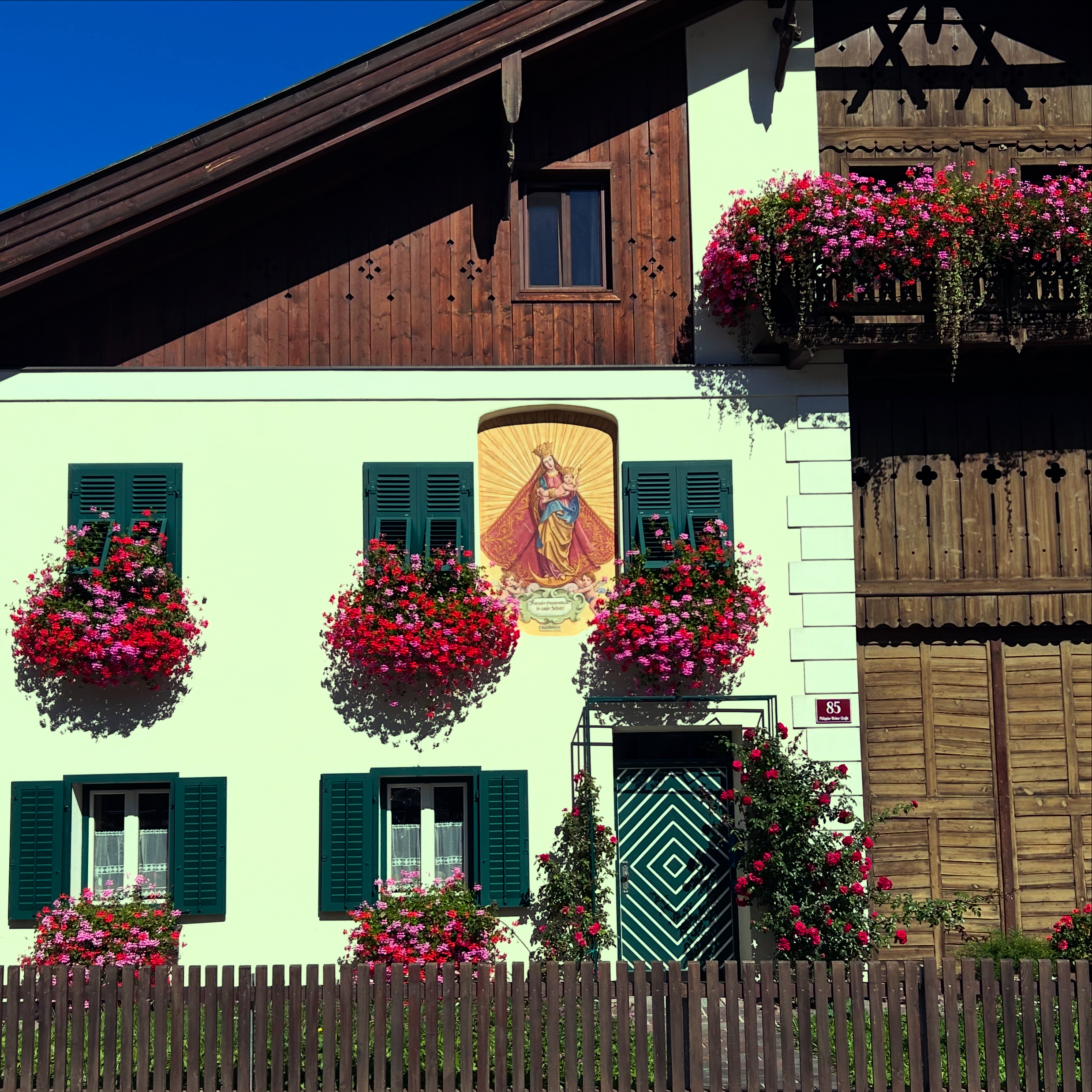
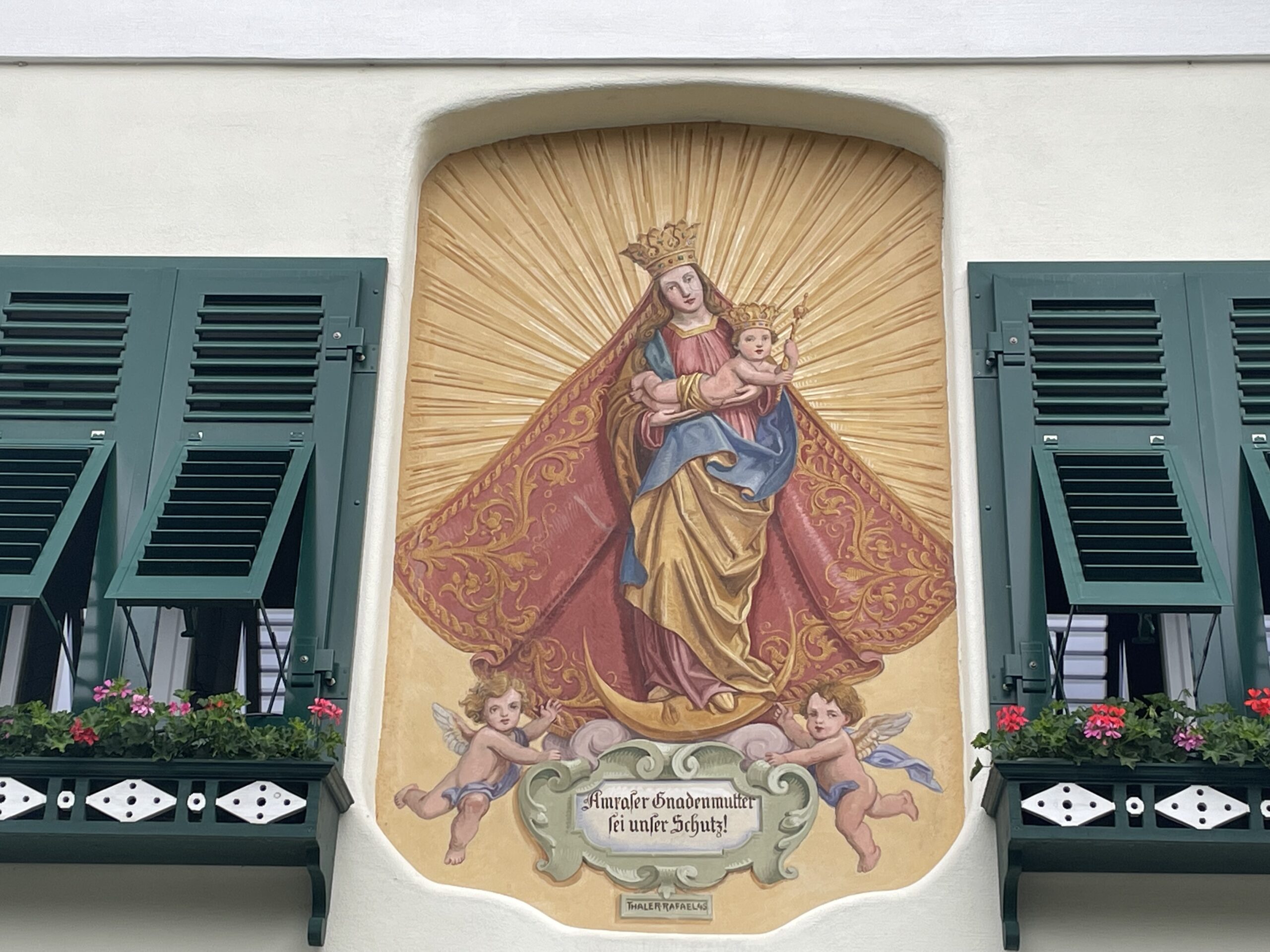
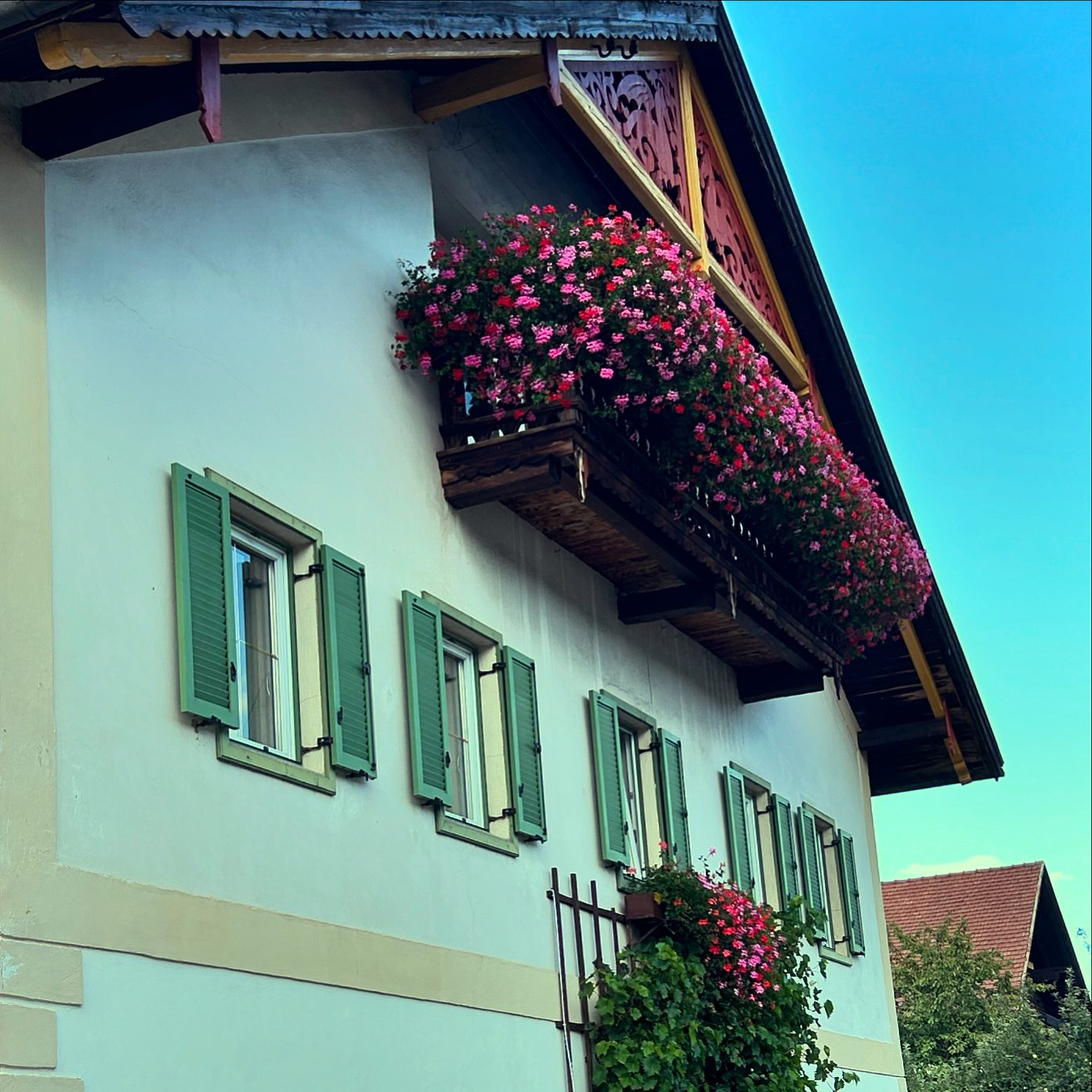
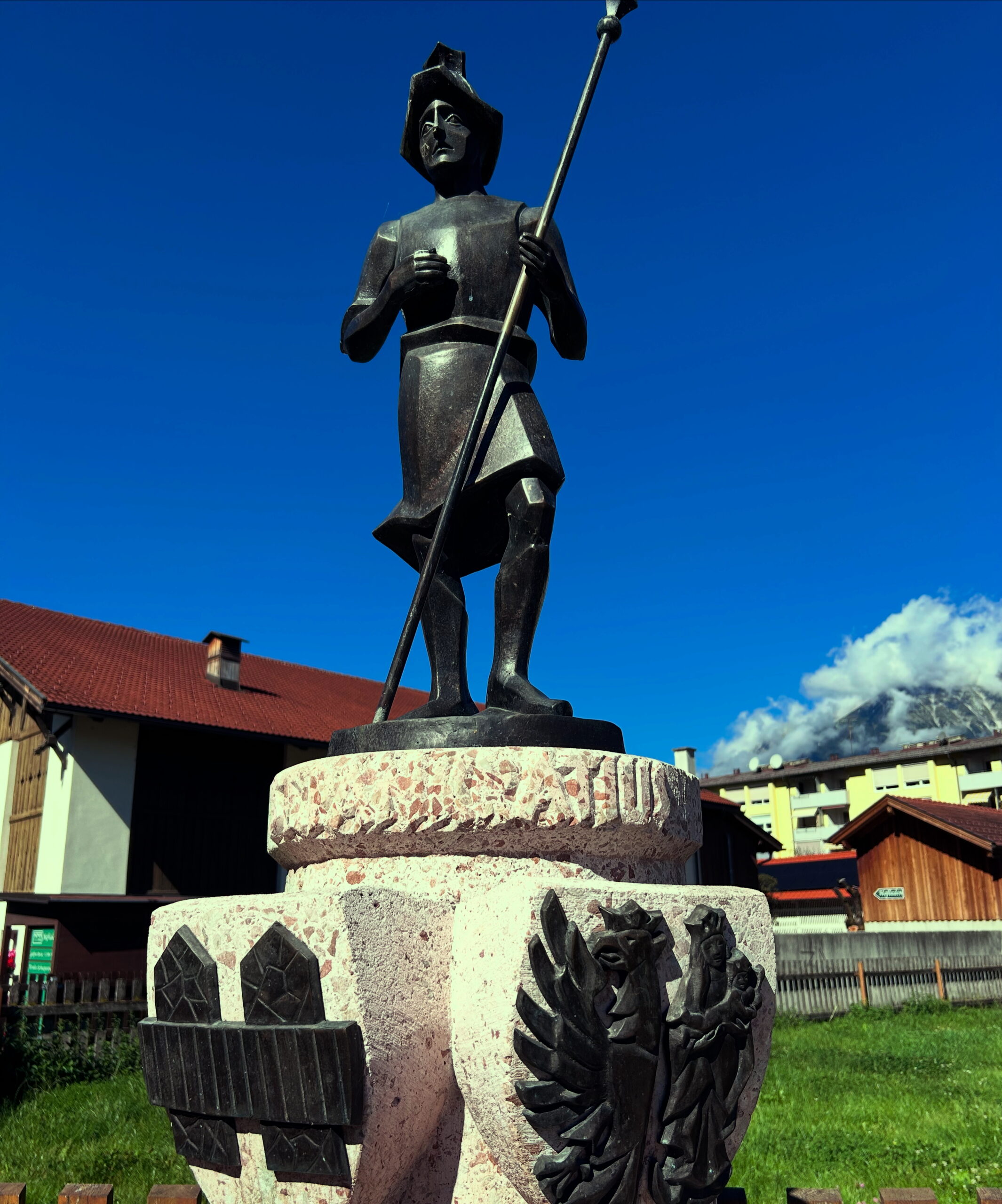
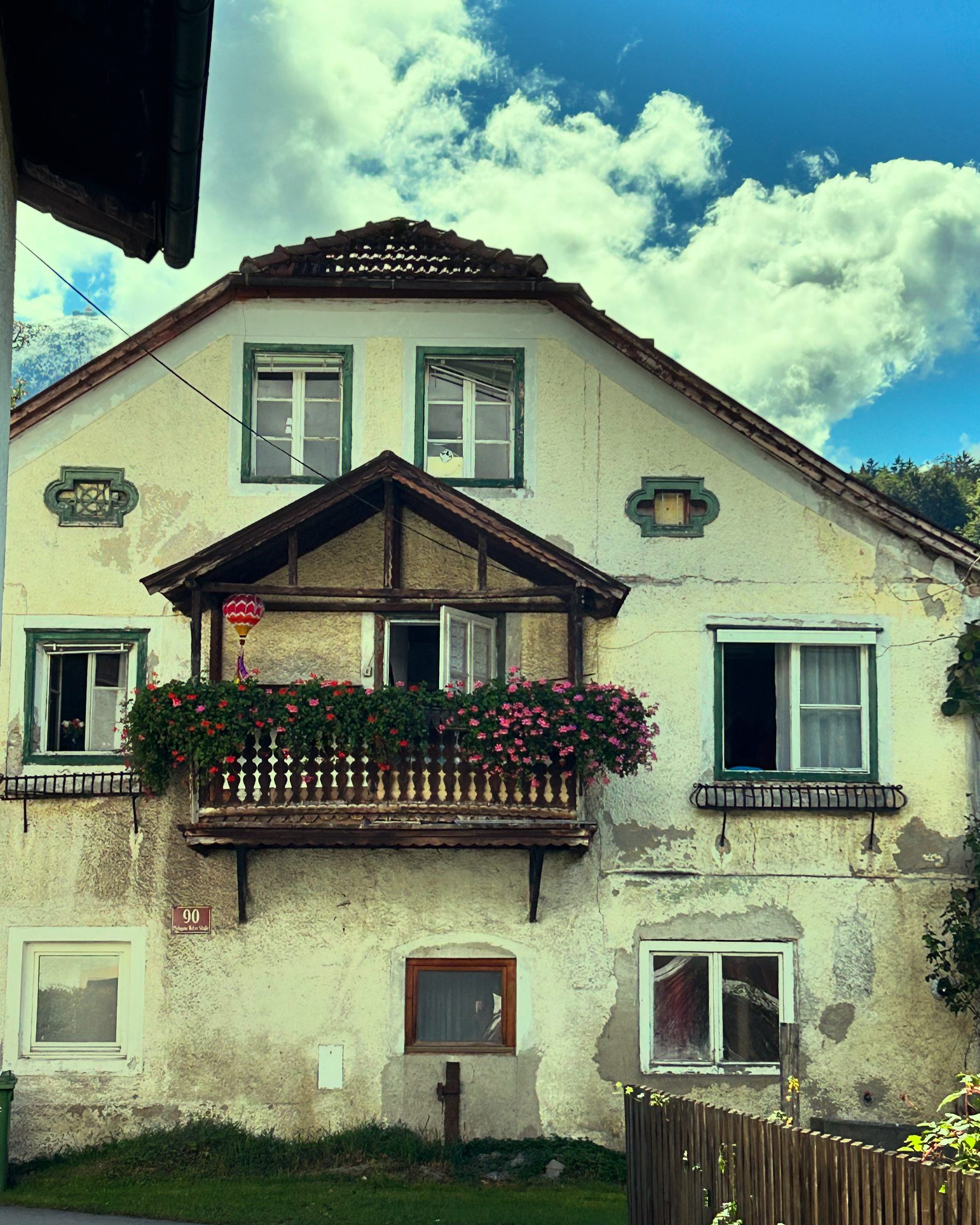
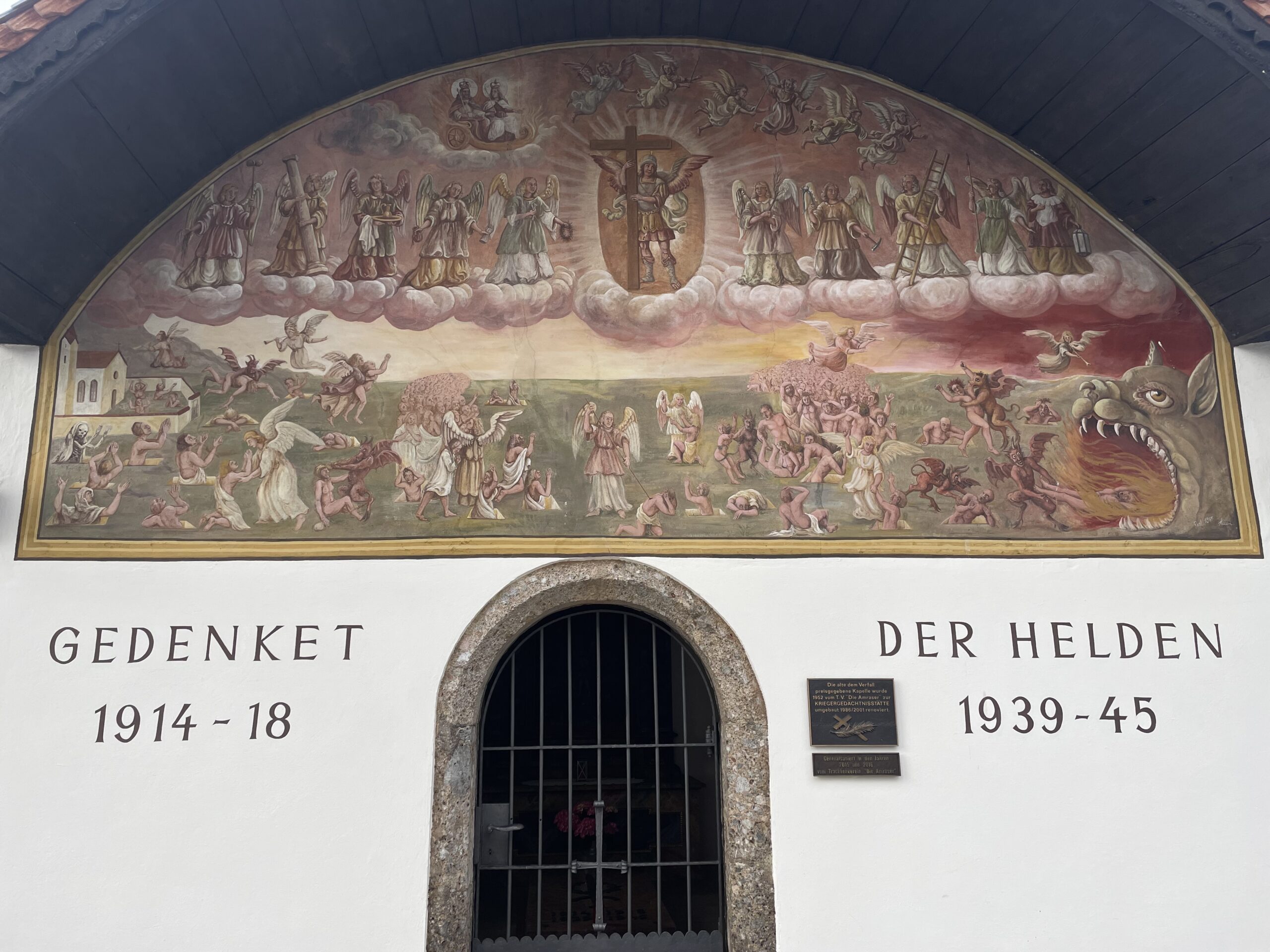
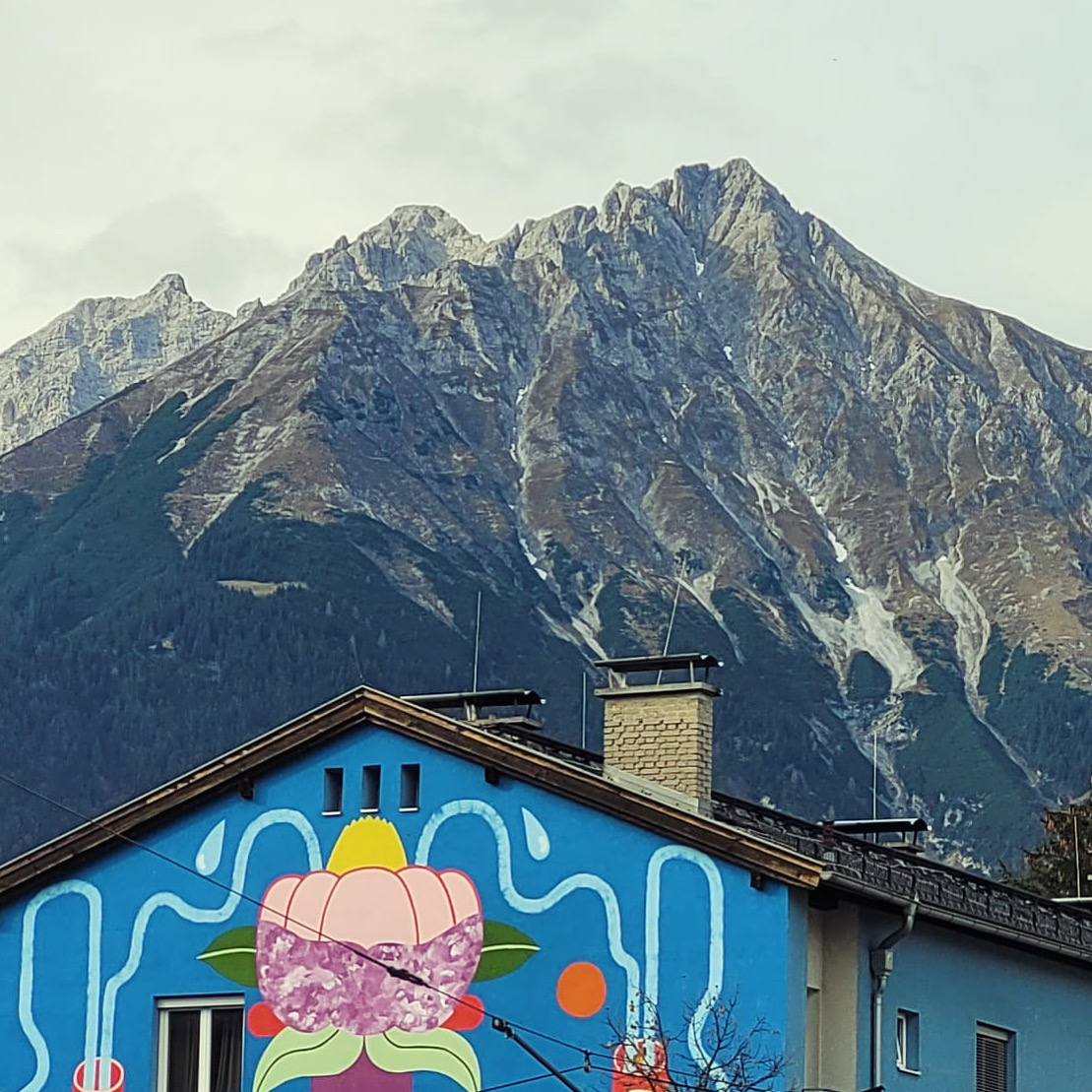
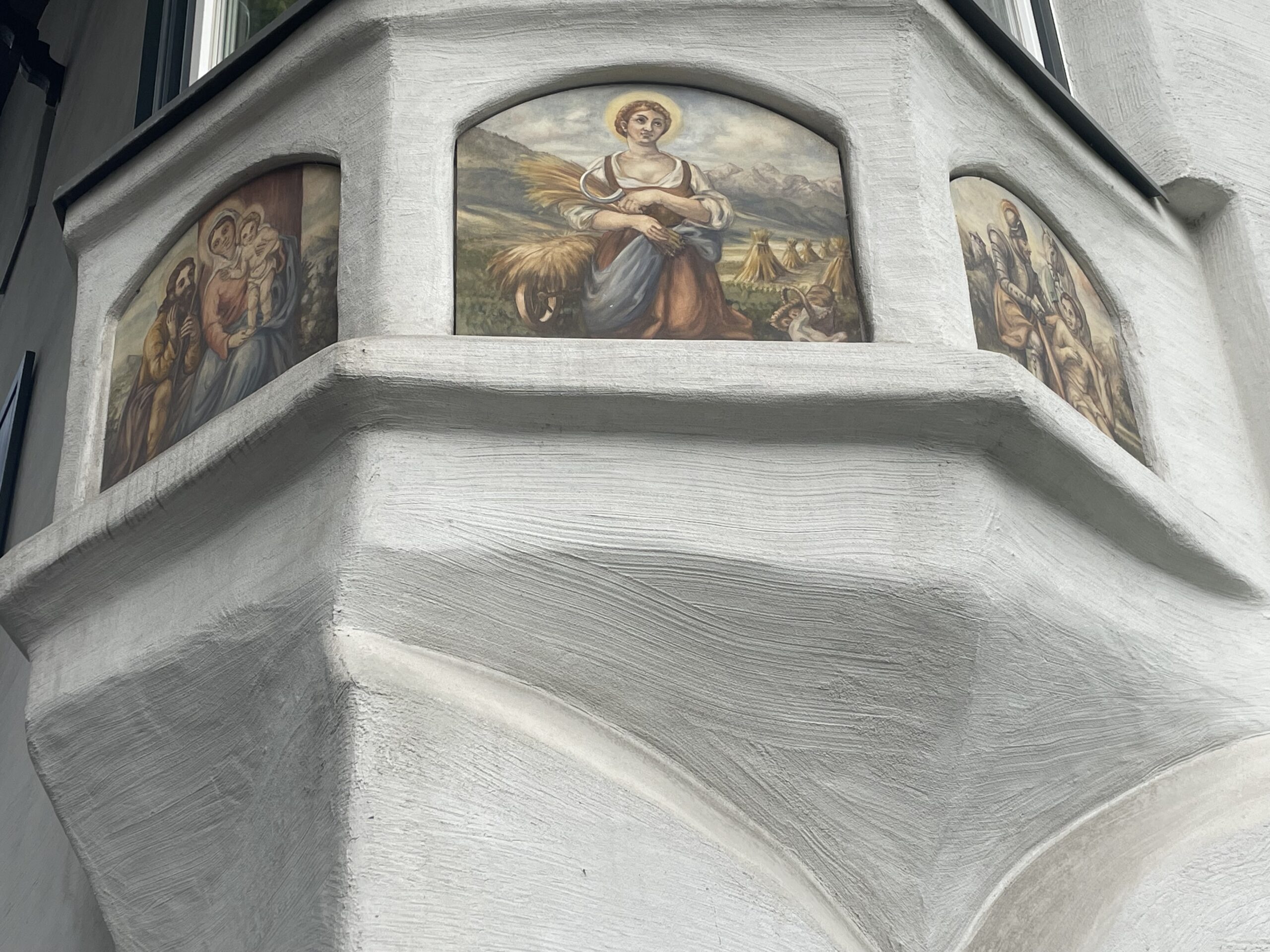
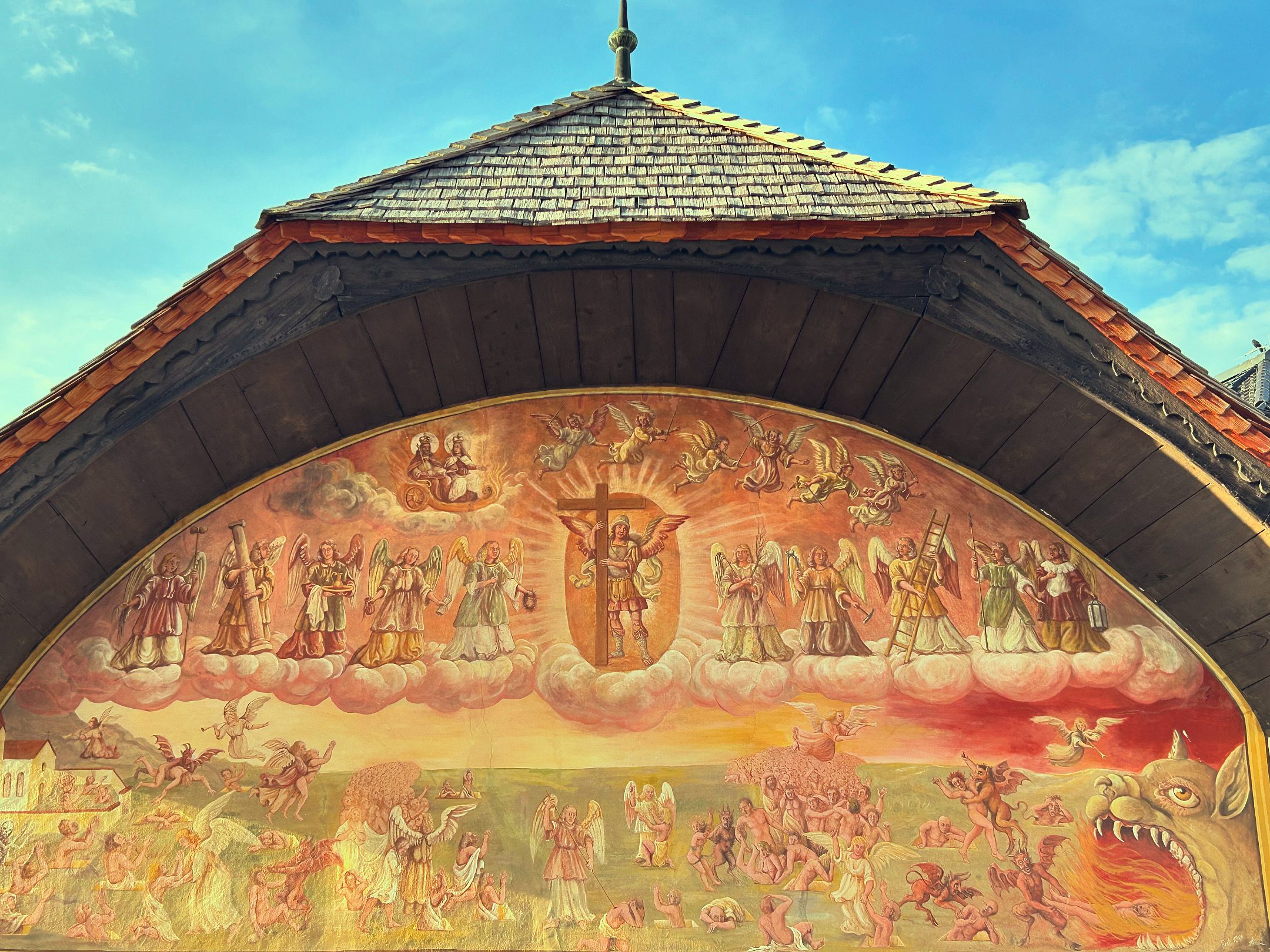
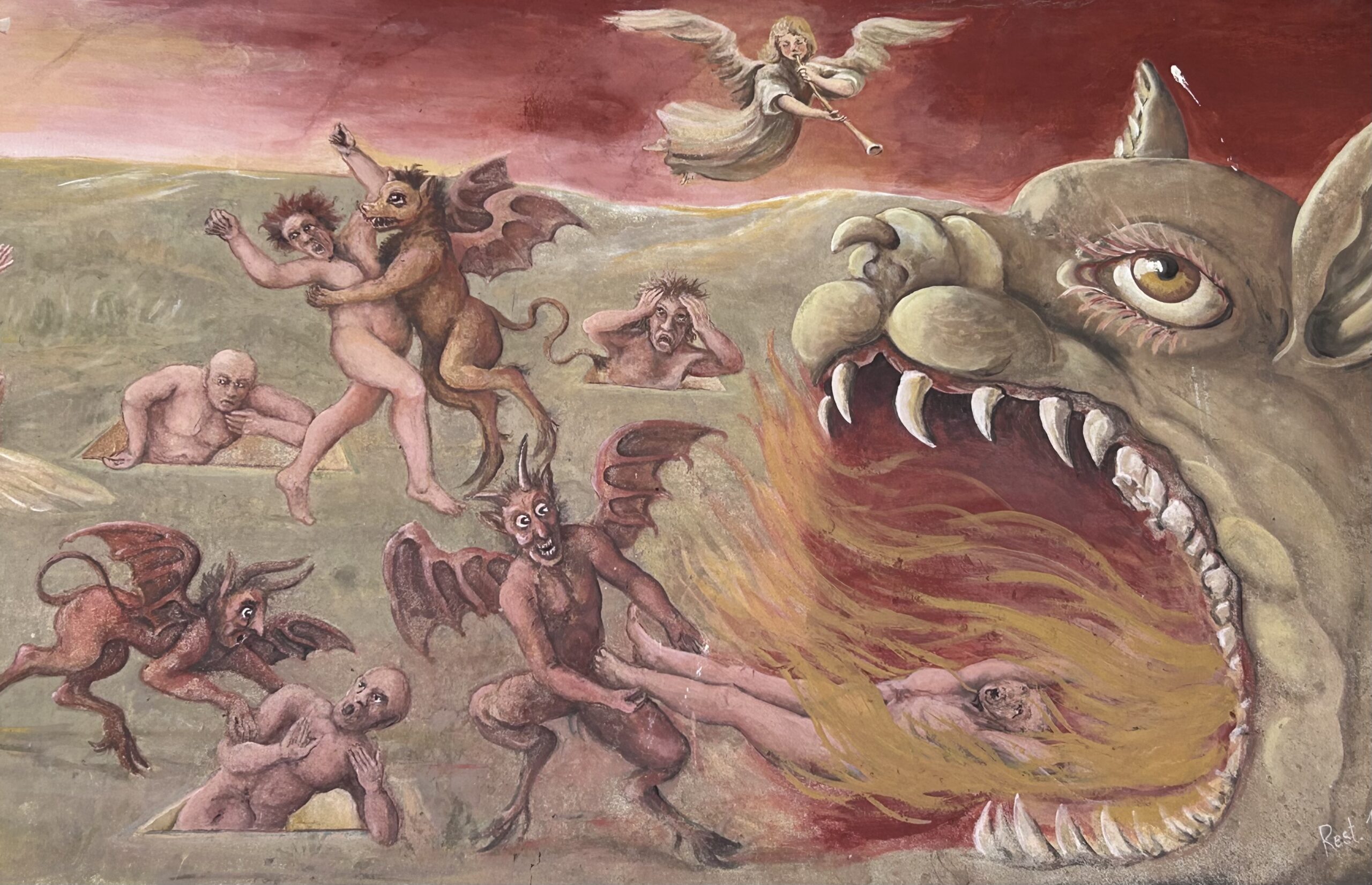
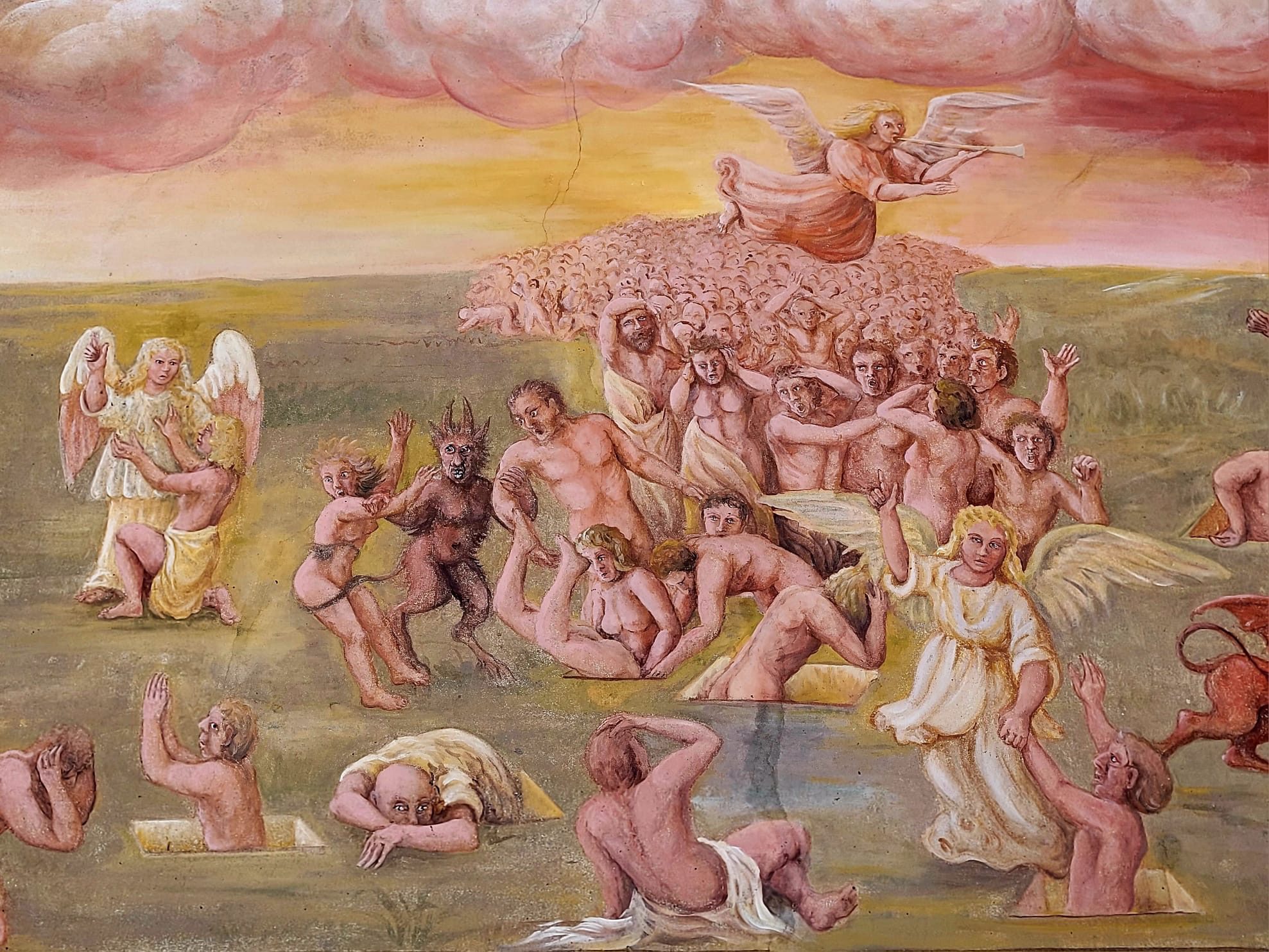
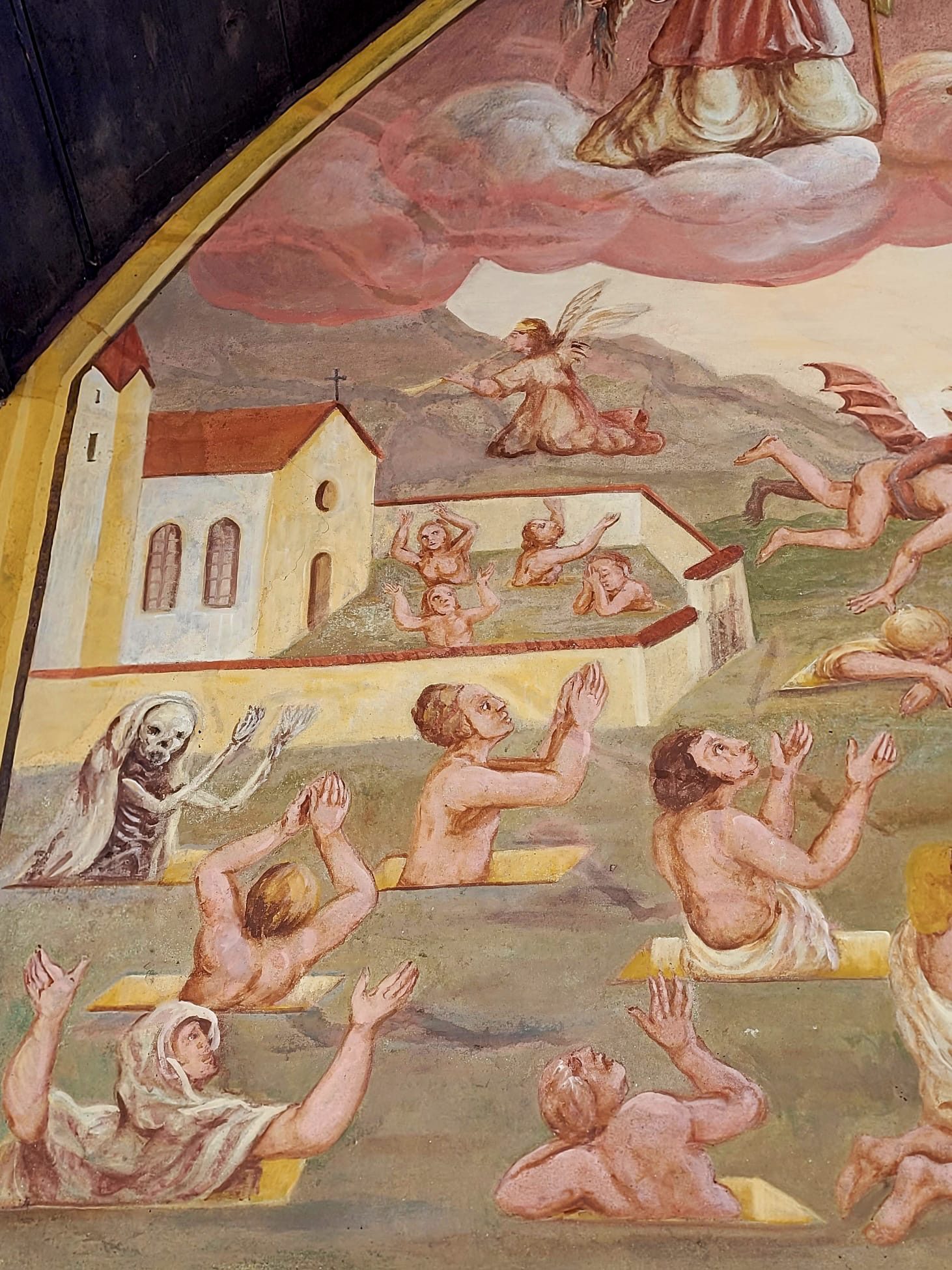
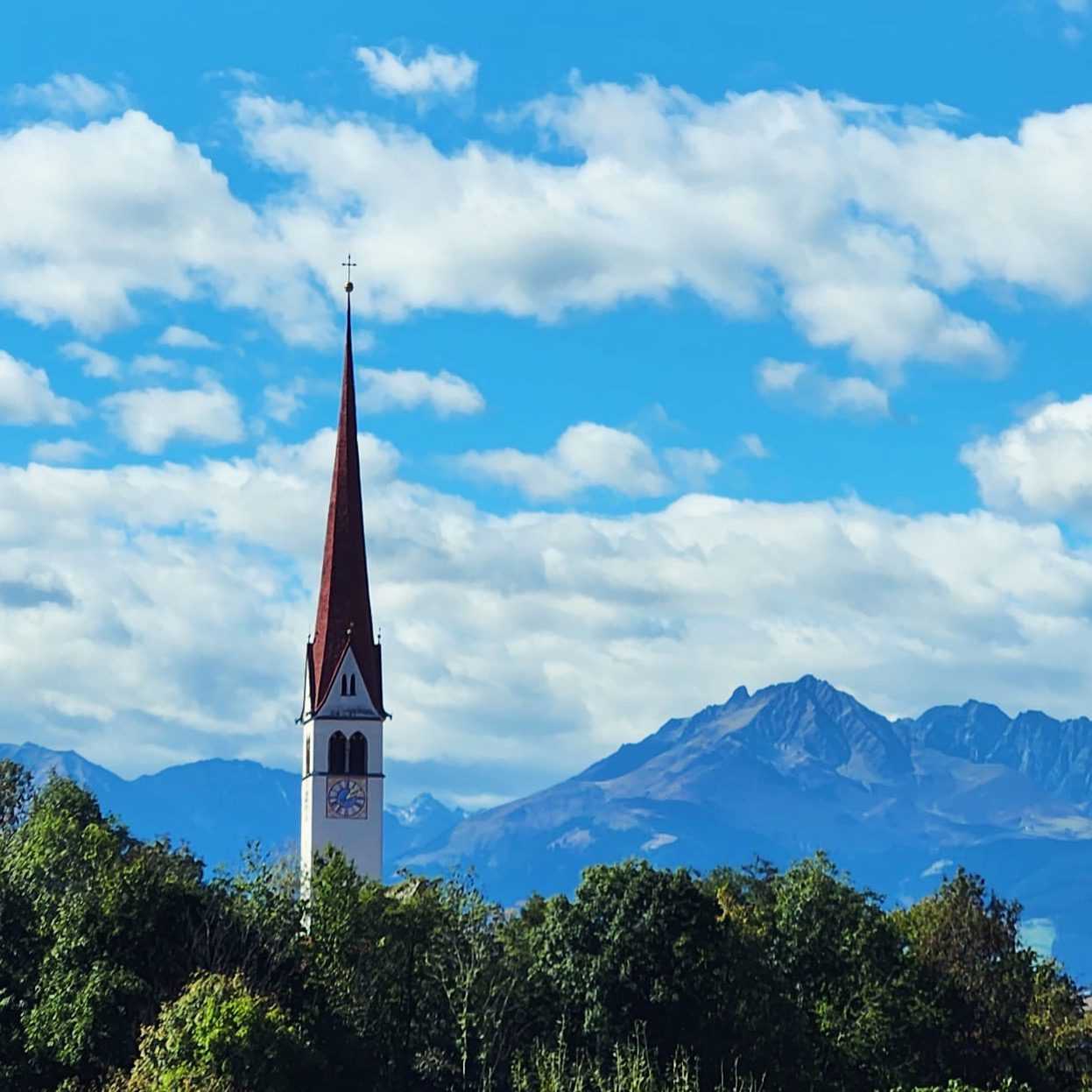
Anyone approaching from the west and turning into Philippine-Welser-Straße would hardly suspect, given the large apartment blocks, that the original village of Amras is located here. “True” Amras residents still somewhat mockingly refer to the inhabitants of the modern complexes as “Zuagroaste” (newcomers), “Blöckler” (block dwellers), or “Stiegenhäusler” (stairwell residents). After just a few meters, however, the farmhouses that characterize Amras as a village within the city come into view. Since 1997, a memorial commemorating the incorporation of Amras in 1938 has stood in front of the Stecherhof in the middle of Philippine-Welser-Straße, next to the marble village fountain. The relatively recent monument is adorned with a statue of Saint Pancras, the Merciful Mother, and the coat of arms of Innsbruck as a symbol of its integration into the city. The street is named after Philippine Welser, the wife of Ferdinand II, who remains popular among the local population to this day thanks to the many legends surrounding her. With the lush gardens in front of the Amras farmhouses—some of which resemble small castles—the former sovereign lady would likely have been delighted. The façades and bay windows are decorated with motifs in the style of rural Baroque, embedded in Tyrolean country life. The elaborately renovated residences suggest that today’s Amras farmers earn their livelihoods less through time-consuming and strenuous fieldwork than through the sale and management of real estate—property that came into their possession following the emancipation of land in 1848 and has increased considerably in value over the centuries. Particularly worth seeing are house numbers 85, 88, and 101. Many façades display depictions of the “Amraser Gnadenmutter,” a local variation of the Madonna veneration common in Tyrol. According to legend, the Merciful Mother saved the child of a princely couple who had fallen from a window of Schloss Ambras. In gratitude, the parents donated an image of the Merciful Mother to the parish church, where it has since held a special place in local village tradition. She exemplifies the way legendary figures merge with Christianity into a particularly devout blend. The image above the entrance to the Amras parish church, created by the Tyrolean artist Hans Andre, shows the Merciful Mother on an official mission alongside a Tyrolean rifleman and a woman in traditional Tyrolean dress. In the background, the Amras parish church itself can be seen. This depiction of the church portraying itself is a special expression of popular piety that can be found on several churches throughout the region. It symbolizes the Holy Land of Tyrol, based on the covenant with the Most Sacred Heart of Jesus from 1796. Another noteworthy work of art can be found on the façade of the war memorial chapel next to the Amras parish church. The depiction of the Last Judgment—with saints, angels, and devils leading the righteous citizens to paradise after earthly life while dragging the wicked into the jaws of hell—is a vivid example of the religious imagination of the Baroque Counter-Reformation.
Tyrol in the hands of farmers
Despite all figures and facts to the contrary, identification with the farming class in Tyrol remains widespread to this day as a nostalgically romanticised self‑image. Free, independent, and indispensable—this is the image of farmers between Landeck and Kufstein. Although fewer than 2 per cent of the population today earn their living from agriculture, farmers manage—through active associations, skilful self‑representation, and political lobbying structures—to achieve a level of representation in society that is disproportionate to their numbers. This was not always the case; in fact, the situation had once been the exact opposite. For centuries, by far the largest proportion of the population worked in agriculture, yet farmers possessed little political influence. The landlords not only owned the land itself but also exercised authority over the agricultural population. Independent action as active participants in the economic system was unthinkable for farmers. Rent was regularly collected in the form of payments in kind. The social order was rigid. The local lesser nobility administered the peasantry within their territories and, in turn, paid their dues to the territorial prince or bishop.
Three types of relationships existed between farmers and landlords. Throughout the Middle Ages, serfdom (Leibgeding) was common. Farmers worked on the lord’s estates as serfs. This dependency could extend so far that decisions regarding marriage, property, mobility, and other aspects of personal life were not freely permitted. In the vast majority of Tyrol, however, this form had already disappeared by the Early Modern period.
The second form, known as temporary tenure (Freistift), involved leasing a farm for a fixed period, usually one year. As a rule, the lease was renewed, since both landlords and farmers—much like employers and employees today—benefited from long‑term continuity. However, tenants had no legal right to remain on the property, and there were no written contracts regulating the arrangement. These orally agreed leases were governed by customary law and tradition. The landlord could reassign farmers within his estates at will or evict them entirely. If a farm was transferred within a family from father to son with the landlord’s consent, a fee—known as an Ehrung—of up to 10 per cent of the farm’s value had to be paid.
The third and most modern form was hereditary tenure (Erbleihe). Although the land technically remained the property of the landlord, eviction was no longer easily possible. Hereditary tenants paid lower rents than temporary tenants. In autumn—either on St Gall’s Day (16 October) or St Martin’s Day (11 November)—farmers holding land in hereditary tenure had to deliver their rent, which gradually shifted from payments in kind to monetary payments. Through land purchases or skilful marriage strategies, farmers were able to enlarge their holdings. Farms were inherited within families. Retired farmers who transferred their property during their lifetime—the so‑called transfer “with the warm hand”—retained the right to live on the farm and were supported through an agreed retirement provision (Ausgedinge).
In the fifteenth century, political rules began to change. Towards the end of the Middle Ages, a form of modern statehood gradually emerged. Territorial princes had long regarded the lesser nobility—with their intermediary role and independent jurisdiction—as an obstacle. Monarchs and the high aristocracy sought to exercise direct authority over their subjects. While the estate‑based social order and hereditary privilege remained formally intact, the role of the lesser nobility changed fundamentally. They shifted from being lords with direct power over their subjects to estate administrators and organisers of territorial defence on behalf of the prince. In order to limit the influence of the lesser nobility, Duke Frederick IV formally recognised hereditary tenure in his Territorial Ordinance of 1404. With the exception of the territories of the prince‑bishops of Trent and Brixen, this form of tenancy gradually replaced temporary tenure throughout Tyrol. Legal disputes between farmers and landlords had to be brought before the territorial prince. Through this political measure, Frederick secured the immediate loyalty of his subjects, gaining direct access to military manpower and tax revenues. Farmers benefited by no longer being entirely subject to the arbitrariness of their landlords. Hereditary tenure transformed farmers into a kind of entrepreneur, enabling them to participate in early capitalism as market actors. Although they remained exposed to natural forces and broader political conditions—such as wars or customs regulations—they now had the opportunity to rise above the subsistence‑level existence of earlier centuries. After delivering the tithe and providing for their households, farmers sold surplus goods at market. Hard‑working and capable farmers could accumulate a certain degree of prosperity. Economic developments from the fifteenth century onwards—particularly Innsbruck’s rise as a residential capital and mining activities in Hall and Schwaz—benefited farmers in the surrounding villages. Officials employed at court and workers in the emerging mining industry formed a middle class with increased purchasing power. Demand for meat rose, which in turn led to a shift towards livestock farming, seen as more profitable than arable agriculture. Broader economic conditions also played a role. Inflation following the discovery of the New World and its silver mines, along with the financial upheavals of the sixteenth century, reduced the real value of monetary rents. Small farmers leasing land under temporary tenure and paying rent in kind suffered from currency devaluation, while large agricultural enterprises benefited from it.
Local inheritance laws also played a major role in determining regional economic success or decline. In North Tyrol’s upper regions and in South Tyrol, partible inheritance (Realteilung) prevailed: farms were divided among all heirs, leading to fragmentation and reduced profitability. In contrast, in the Innsbruck region and the Lower Inn Valley, impartible inheritance (Anerbenteilung) was common. With few exceptions, the eldest child inherited the entire farm in order to preserve its structure. Siblings were usually forced to leave and earn their living as servants, craftsmen, farmhands, or maids. As Söllhäusler—people owning only a small house and perhaps a garden but no significant land—they belonged to the Pöfel, a marginal social group that included innkeepers, itinerant people, prostitutes, servants, and beggars. In cases of illness or destitution, they had limited claims against the heir and could temporarily return to the farm. Depending on the value of the holding, siblings might be entitled to an annuity, though in most cases this was minimal or nonexistent. Even then, farmers were adept at presenting the book value of their property as low as possible.
These developments led to new social structures within farms themselves and to increasing disparities within the farming class. Farmers exercised authority over their servants in all matters, akin to the pater familias of the extended family in ancient Rome. Life on the farms bore little resemblance to the idyllic family life often promoted today as traditional Tyrolean lifestyle. Instead, large, clan‑like family units lived under the strict regime of the farmer, who determined labour routines, food, accommodation, limited leisure, and personal relationships. Clear hierarchies emerged within villages. Hereditary tenants enjoyed higher status than temporary tenants; large farmers were held in higher regard than small ones and often took leading roles in village life. Particularly successful and loyal farmers were granted family coats of arms by the territorial prince and elevated to the rank of farming nobility. In a society where honour and status were valued at least as highly as money itself, the title of a free farmer was far more than a mere symbol. These structures persisted in rural areas well into the nineteenth century, and in more remote regions even into the twentieth century. At the outbreak of the First World War, more than 50 per cent of Tyrol’s population was still employed in agriculture. The fine farmhouses in Hötting, Wilten, Pradl, and Amras—whose façades proudly display family coats of arms and references to hereditary farm status—stand as testimony to the rise of the farming class in the Early Modern period.
Philippine Welser: Little Venice, cookery & herbalism
Philippine Welser (1527–1580) was the wife of Archduke Ferdinand II and ranks among the most popular historical figures associated with Innsbruck. To this day, she is often portrayed as a woman of humble origins who rose to the highest social circles through the power of love. This portrayal, however, is not entirely accurate. The Welser family was among the wealthiest families of their time. Her uncle Bartholomäus Welser was comparable in financial stature to Jakob Fugger and likewise belonged to the class of merchants and financiers who amassed immense wealth around 1500. The pillars of his prosperity—comparable to that of today’s tech billionaires—were the spice trade with India, mining, and the metals trade with the American colonies. Welser had also extended loans to the Habsburgs, which he was to recover in a momentous way. Instead of repaying the debts, Emperor Charles V pledged part of the territories newly annexed from the Spanish crown in America to the Welser family. In return, they were permitted to secure and develop the land as the colony of Klein‑Venedig (Little Venice), present‑day Venezuela, by establishing fortresses and settlements. They equipped expeditions in search of the legendary land of gold, El Dorado. In order to maximize profits from their fief, they set up trading posts and participated in the lucrative transatlantic slave trade between Europe, West Africa, and the Americas. The first generation of conquistadors, acting in the service of early capitalism in South and Central America, proceeded with such brutality that the distant Spanish authorities were forced to intervene. After 1530, Charles V prohibited the trade in Indigenous people from South America; however, the use of enslaved Africans on plantations and in mines was not affected by this regulation. This continued inhumane conduct on the part of the Welser representatives led to complaints at the imperial court in 1546. As a result, their fief over Klein‑Venedig was revoked, although their trading networks remained intact.
The young Philippine benefited from her family’s well‑established connections to the aristocracy. What followed was one of the most sensational celebrity marriages of the early modern period. Ferdinand and Philippine met at a Carnival ball in Pilsen. The Habsburg fell head over heels in love with the wealthy woman from Augsburg and married her. The secret marriage met with little enthusiasm within the House of Habsburg, even though business relations between the old nobility and the nouveau‑riche Augsburg merchant families had existed for decades and the Welser fortune was very welcome. Despite their wealth, marriages between commoners and nobles were considered scandalous and socially inappropriate. Ferdinand is said to have been utterly infatuated with his beautiful wife throughout his life and therefore to have disregarded all social conventions of the time. According to contemporary witnesses, her skin was so delicate that “one could see a sip of red wine flowing through her throat.” It comes as no surprise that the Tyrolean ruler had Ambras Castle lavishly remodelled for her. His brother Maximilian even remarked that Ferdinand was “enchanted” by the beautiful Philippine Welser, when Ferdinand withdrew his troops during the Turkish war to return home to his wife—though he added less charitably: “…I wish the wench were put into a sack and that no one knew where she was. God forgive me.” The Emperor only recognised the marriage after the couple had asked for forgiveness and pledged lifelong secrecy. The children of this morganatic marriage were therefore excluded from the line of succession.
Philippine Welser’s great passion was cooking. A collection of her recipes is still preserved today in the Austrian National Library. In the Middle Ages and the early modern period, the culinary arts were cultivated exclusively by the wealthy and the nobility, while the vast majority of subjects ate whatever was available. For centuries—indeed until the 1950s—people lived under conditions of chronic calorie deficiency. While today excessive consumption leads to illness, our ancestors suffered from diseases caused by malnutrition. Fruit was rarely part of the diet, as was meat. Food was monotonous and barely seasoned; spices such as exotic pepper were luxury goods beyond the reach of ordinary people. Whereas the daily fare of the common population was focused almost entirely on the most efficient intake of calories needed for physical labour, attitudes towards food and drink began to change in Innsbruck under Ferdinand II and Philippine Welser. Since the reign of Frederick IV, the court had already contributed to a gradual refinement of manners and customs in Innsbruck. Philippine Welser and Ferdinand elevated this development to new heights at Ambras Castle and the Weiherburg. The banquets they hosted were legendary and not infrequently degenerated into excesses. Her second great interest was herbal medicine. Philippine documented how plants and herbs could be used to alleviate physical ailments of all kinds. One of her recommendations read: “To make the teeth white and fresh and to kill the worms therein: take rosemary wood and burn it to charcoal, grind it into powder, bind it in a small silk cloth and rub the teeth with it.” For her studies and interests, she had a herb garden laid out at Ambras Castle in Innsbruck.
According to contemporary accounts, she was very popular among the Tyrolean population, as she showed great care for the poor and needy. Such charitable welfare, organised by the city council and sponsored by wealthy citizens and nobles, was not exceptional at the time but common practice. Nowhere, it was believed, could one come closer to salvation in the afterlife than through Christian charity (caritas). Philippine Welser found her final resting place after her death in 1580 in the Silver Chapel of the Court Church in Innsbruck, where she was buried together with her children who had died in infancy and with Ferdinand. Below Ambras Castle, the Philippine‑Welser‑Straße still commemorates her today.
Glaube, Kirche und Obrigkeit
The abundance of churches, chapels, crucifixes, statues, and paintings in public spaces strikes many visitors to Innsbruck from other countries as unusual. Not only places of worship, but also many private houses are decorated with depictions of Jesus, Mary, saints, and biblical scenes. For centuries, the Christian faith and its institutions shaped everyday life throughout Europe, and Innsbruck—as a residence city of the strictly Catholic Habsburgs and the capital of the self-proclaimed Holy Land of Tyrol—was particularly richly endowed with ecclesiastical buildings. In terms of number and scale relative to the conditions of earlier times, churches appear as gigantic features in the cityscape. In the 16th century, Innsbruck, with its approximately 5,000 inhabitants, possessed several churches whose splendor and size surpassed every other building, including the palaces of the aristocracy. Wilten Abbey was a vast complex in the midst of a small farming village that had developed around it.
The spatial dimensions of these places of worship reflect their importance within the political and social structure. For many inhabitants of Innsbruck, the Church was not only a moral authority but also a secular landowner. The Bishop of Brixen was formally equal in rank to the territorial prince. Peasants worked on the bishop’s estates just as they did on those of a secular ruler. The clergy exercised both taxation and judicial authority over their subjects, and ecclesiastical landowners were often regarded as particularly demanding. At the same time, it was also the clergy in Innsbruck who were largely responsible for social welfare, healthcare, care for the poor and orphans, food distribution, and education. The Church’s influence extended into the material world in a way comparable to how the modern state operates today through tax offices, police, schools, and employment services. What democracy, parliament, and the market economy represent for us today, bishops, the Bible, Christian devotional literature, and parish priests represented for people of earlier centuries: a reality that maintained order.
It would be incorrect to believe that all clergymen were cynical power-hungry figures who exploited their uneducated subjects. The majority of both clergy and nobility were devout and God-fearing, albeit in a manner that is difficult to comprehend from today’s perspective. It was not the case that every superstition was blindly accepted or that people were arbitrarily executed based on anonymous accusations. In the early modern period, violations of religion and morals were tried before secular courts and punished severely. Charges were brought under the term heresy, which encompassed a wide range of offenses. Sodomy—meaning any sexual act not serving reproduction—sorcery, witchcraft, and blasphemy, in short any deviation from the correct faith, could be punished by burning. The act of burning was intended both to purify the condemned and to destroy them and their sinful behavior completely, thereby removing evil from the community. For a long time, the Church regulated everyday social life down to the smallest details. Church bells structured people’s daily schedules. Their sound called people to work or worship, or informed the community of a death through tolling. People were able to distinguish individual bell signals and their meanings. Sundays and holidays structured time. Fasting days regulated diet. Family life, sexuality, and individual behavior were expected to conform to Church-prescribed morality. For many people, salvation in the afterlife was more important than happiness on earth, which was seen as predetermined by the course of time and divine will. Purgatory, the Last Judgment, and the torments of hell were real and served to frighten and discipline even adults.
While parts of Innsbruck’s bourgeoisie were at least gently awakened by the ideas of the Enlightenment after the Napoleonic Wars, the majority of the population remained deeply attached to a blend of conservative Catholicism and superstitious folk piety. Religiosity was not necessarily a question of background and social status, as the social, media, and political debates along the fault line between liberals and conservatives repeatedly demonstrated. Although the freedom of religious practice had been legally enshrined since the December Constitution (Dezemberverfassung) of 1867, state and religion remained closely intertwined. Thanks to the 1855 concordat between the Pope and the Emperor, marriage law and the school system were under the control of the Catholic Church. It was only under pressure from liberals in parliament that these bastions of everyday social life began to crumble, yet particularly in Tyrol, the pastor's word remained sacrosanct. In the First Republic, a conservative backlash occurred. Ignaz Seipel, a Christian Social politician who went down in history as the Iron Prelate (Eiserner Prälat), rose to the highest office of the state in the 1920s. Federal Chancellor Engelbert Dollfuß saw his Corporate State (Ständestaat)—a construct built on a Catholic foundation—as a bulwark against socialism. In 1933, the concordat with the Vatican was renewed. Even after World War II, church and politics in Tyrol formed a powerful double act in the persons of Bishop Rusch and Governor Wallnöfer. In 1957, the government of the Second Republic reconfirmed the agreement, which formally remains valid to this day. A genuine separation of church and state did not begin until the 1970s. Although people leaving the church in recent decades have dented official membership figures and recreational events draw larger crowds than Sunday masses, faith and the church still hold a fixed place in the daily lives of Innsbruck’s residents, even if often unnoticed. The Roman Catholic Church still owns a vast amount of land in and around Innsbruck, even beyond the walls of its monasteries and educational institutions. A number of schools in and around Innsbruck also remain under the influence of conservative forces and the church. And whoever enjoys a public holiday, cracks Easter eggs against one another, or lights a candle on a Christmas tree does not have to be a Christian to act in the name of Jesus—disguised as tradition.
The year 1848 and its consequences
The year 1848 occupies a mythical place in European history. Innsbruck was not one of the hotspots like Paris, Vienna, Budapest, Milan or Berlin, but even in the “Holy Land” of Tyrol the revolutionary year left its mark. In contrast to the rural surroundings, an enlightened educated bourgeoisie had developed in Innsbruck. Enlightened people no longer wanted to be subjects of a monarch or territorial prince, but citizens with rights and duties in relation to a modern state. Students and members of the liberal professions demanded political participation, freedom of the press and civil rights. Workers demanded better wages and working conditions. Particularly radical liberals and nationalists even questioned the absolute authority of the Church. In March 1848 this socially and politically highly explosive mixture erupted in uprisings and street fighting in many cities. In Innsbruck, some students and professors celebrated the newly granted freedom of the press with a torchlight procession. On the whole, however, the revolution proceeded quietly in the rather leisurely Tyrol. To speak of a spontaneous outburst of emotion or even a revolution would already be an exaggeration: the date of the procession was postponed from 20 to 21 March because of bad weather. There were hardly any anti-Habsburg riots or violent incidents; a stray stone thrown into a Jesuit window was one of the highlights of the Alpine version of the Revolution of 1848. The students even supported the city magistrate in maintaining public order, thereby demonstrating their gratitude to the monarch for the newly granted freedoms and their loyalty.
The initial enthusiasm for change among the bourgeois elites was soon replaced in Innsbruck by a surge of German-national patriotism. On April 6, 1848, the governor of Tyrol led a ceremonial procession in which the German flag was displayed. A German tricolour was also hoisted on the city tower. While students, workers, liberal-national citizens, republicans, supporters of a constitutional monarchy, and Catholic conservatives could not agree on social issues such as press freedom, they shared a common hostility toward the Italian independence movement, which had spread across northern Italy from Piedmont and Milan. Innsbruck students and riflemen, with the support of the imperial army leadership, marched into the Trentino to suppress unrest and uprisings at an early stage. Notable members of this corps included the already elderly Father Haspinger, who had fought alongside Andreas Hofer in 1809, and Adolf Pichler. Johann Nepomuk Mahl-Schedl, a wealthy owner of Büchsenhausen Castle, even equipped his own company and marched over the Brenner Pass to secure the border. However, the war did not remain confined to the southern borders. Innsbruck itself, as the political and economic center of the multinational crown land of Tyrol and home to many Italian speakers, became an arena of the conflict between nationalities. Combined with ample alcohol consumption, anti-Italian sentiment posed a greater threat to public order than the demand for civil liberties. A dispute between a German-speaking craftsman and an Italian-speaking Ladin escalated to such an extent that it nearly triggered a pogrom against the numerous businesses and inns of Italian-speaking Tyroleans.
The relative calm of Innsbruck suited the imperial court in Vienna, which was under pressure. As unrest in the capital continued after March, Emperor Ferdinand fled to Tyrol in May. According to contemporary press reports, he was enthusiastically welcomed by the population.
"“What is the name of the land to which such an honour falls, what is the people that enjoys such trust in these fateful times? Does the peace and security here rest solely on legend from ancient times, or is there also in the present a foundation on which one can build, which the wind cannot blow away and the storm cannot shake? This Alpine land is called Tyrol, do you like it? Yes, the Tyrolean people alone prove, in the midst of a shaken Europe, reverence and loyalty, courage and strength for their hereditary ruling house, while all around rebellion, contradiction, defiance and demands, often even revolt and upheaval rage; Tyrol alone stands firmly without wavering in custom and obedience, in religion, truth and law, while elsewhere insolence and falsehood, madness and passions prevail …”"
In June, a young Franz Joseph—still not yet emperor—also stopped at the Hofburg on his return from the battlefields of northern Italy instead of traveling directly to Vienna. Innsbruck once again became a royal residence, albeit only for one summer. While blood was shed in Vienna, Milan, and Budapest, the imperial family enjoyed rural Tyrolean life. Ferdinand, Franz Karl, his wife Sophie, and Franz Joseph received guests from foreign courts and were driven by carriage to excursion destinations such as Weiherburg, Stefansbrücke, Kranebitten, and even up to Heiligwasser, and went on hikes. This calm did not last long. Ferdinand, considered no longer fit to rule, handed over power under gentle pressure to Franz Joseph I. In July 1848, the first parliamentary session was held in Vienna, and a constitution came into force. However, the monarchy’s willingness to reform soon waned. The new parliament—the Reichsrat—could not pass binding laws, the emperor never attended it, and he did not understand why a monarchy ordained by God needed such a council.
The subtly initiated liberalization nevertheless ran its course in the cities. Innsbruck was granted the status of a city with its own independent charter (Statutarstadt). In 1850, the "Provisorische Gemeindegesetz für die Landeshauptstadt Innsbruck" ("Provisional Municipal Code for the State Capital of Innsbruck") came into force:
"The municipality is to provide for the sanitation police; it takes care of the paving and maintenance of streets, alleys, and paths, with the exception of those whose maintenance is the responsibility of the Imperial Treasury, as well as for street lighting, the maintenance and cleaning of the main drainage canals, and the maintenance of municipal bridges, fountains, aqueducts, and other facilities, as well as public bathing establishments. It administers the health, fire, market, building, and traffic police, oversees land boundaries, measures, and weights; it is charged with the provision of food supplies, and takes police precautions to avert threats to personal safety and property posed by flooding or other natural disasters."
Innsbruck's municipal law provided for citizenship rights that, while tied to property ownership or tax payments, legally guaranteed certain rights to members of the community. Right of domicile (Heimatrecht) could be acquired through birth, marriage, or extraordinary conferral, granting voting rights at the municipal level to at least adult males. If one fell into financial hardship, one was entitled to basic welfare provided by the city. Within the city government, the Greater German-liberal faction prevailed thanks to the census-based majority voting system, with merchants, tradesmen, industrialists, and innkeepers setting the tone. On June 2, 1848, the first edition of the liberal and Greater German-leaning Innsbrucker Zeitung was published—from which the above article on the emperor's arrival in Innsbruck is taken. Conservatives, on the other hand, read the Volksblatt für Tirol und Vorarlberg. Moderate readers who favored a constitutional monarchy preferred to consume the Bothe für Tirol und Vorarlberg. However, freedom of the press was short-lived. The previously abolished censorship was partially reinstated. Newspaper publishers were subjected to various forms of harassment by the authorities, and newspapers were strictly forbidden from printing content critical of the state government, the monarchy, or the Church.
"Anyone who, by means of printed matter, incites, instigates or attempts to incite others to take action which would bring about the violent separation of a part from the unified state... of the Austrian Empire... or the general Austrian Imperial Diet or the provincial assemblies of the individual crown lands.... Imperial Diet or the Diet of the individual Crown Lands... violently disrupts... shall be punished with severe imprisonment of two to ten years."
After Innsbruck had officially replaced Meran as the provincial capital in 1849 and had thus finally become the political centre of Tyrol, parties began to form. With the establishment of the Catholic-conservative faction and the liberals, a pair of opposing ideas emerged that would shape politics not only until the First World War. Associations of all kinds as political organisations in advance of parties, and newspapers, formed the lines along which society split in all questions of life from the cradle to the grave. From 1868 onwards, the liberal, greater German-oriented party provided the mayor of the city of Innsbruck. The influence of the Church declined in Innsbruck in contrast to the surrounding municipalities. Individualism, capitalism, nationalism and consumption stepped into the breach. New worlds of work, department stores, theatres, cafés and dance halls did not displace religion entirely even in the city, but the weighting shifted as a result of the civil freedoms won in 1848.
The probably most important legal change of 1848 was the land relief patent. In Innsbruck the clergy, especially Wilten Abbey, owned a large part of the agricultural land. The Church and the nobility were exempt from taxes. In 1848/49 feudal lordship and the relationship of subjection were abolished in Austria. Ground rents, tithes and compulsory labour were thus removed. The landowners received one third of the value of their land from the state within the framework of the reform, one third was regarded as tax relief, and one third of the compensation had to be borne by the peasants themselves. They could pay this amount in instalments over twenty years. The after-effects can still be felt today. The descendants of the peasants who were successful at the time enjoy, through inherited land ownership resulting from the 1848 reforms, the fruits of prosperity and also political influence through land sales for housing, leases and compensation payments by public authorities for infrastructure projects. The landowning nobility of the past had to come to terms with the humiliation of taking up bourgeois occupations. The transition from privilege by birth to privileged status within society through financial means, networks and education often succeeded. Many Innsbruck dynasties of academics have their origins in the decades after 1848.
Life also changed for the broader population. The previously unknown phenomenon of leisure time emerged and, together with disposable income available to a greater number of people, fostered hobbies. Civil organisations and associations—from reading circles to choral societies, fire brigades and sports clubs—were founded. The revolutionary year also manifested itself in the cityscape. Parks such as the English Garden at Ambras Castle or the Hofgarten were no longer reserved exclusively for the aristocracy but served citizens as local recreational areas. In St. Nikolaus the Waltherpark was created as a small oasis of calm. One floor above, the first swimming and bathing facility in Tyrol opened at Büchsenhausen Castle; soon afterwards another bath followed in Dreiheiligen. Excursion inns around Innsbruck flourished. Alongside high-end restaurants and hotels, a scene of taverns emerged in which workers and employees could also afford pleasant evenings with theatre, music and dancing.