Armoury
Zeughausgasse 1
Worth knowing
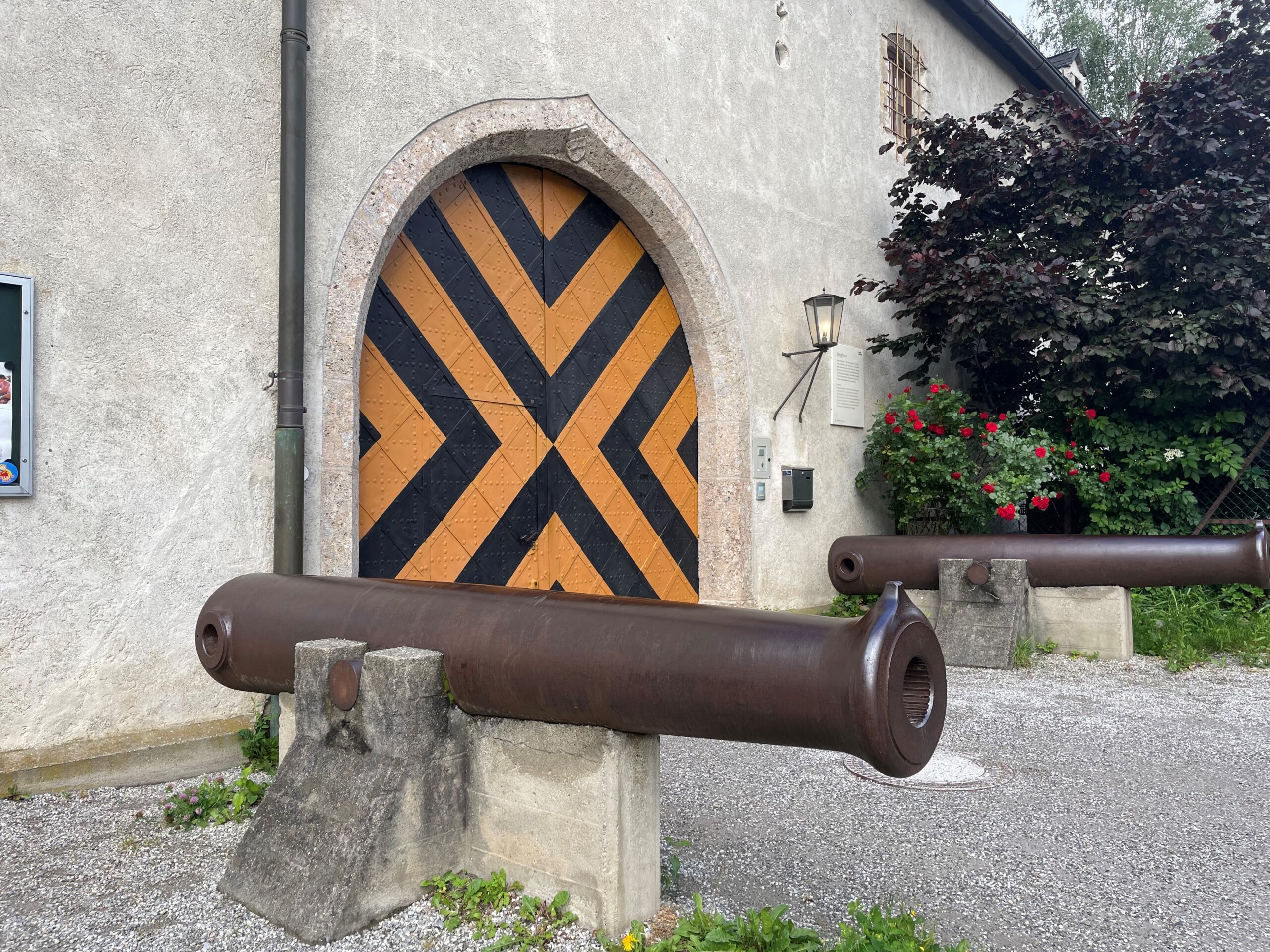
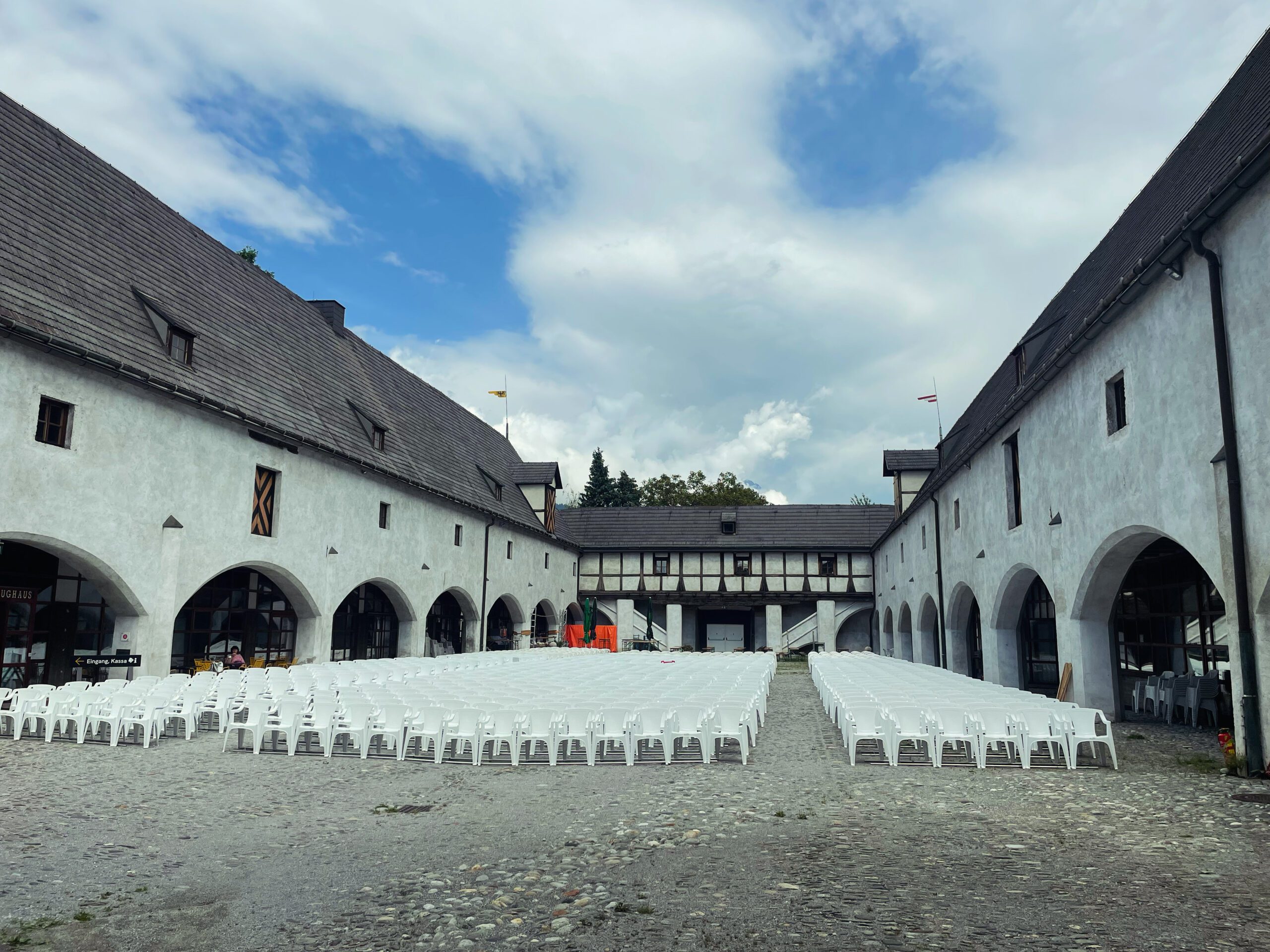
At the beginning of the sixteenth century, a turning point in Innsbruck’s urban history, the Golden Roof may have been the most famous contemporary building, but the Zeughaus probably had a much greater impact on everyday life. Between 1500 and 1506, Emperor Maximilian I had this arsenal built in what is now the Saggen district by Jörg Kölderer. Because the old arsenal in the Andechsburg was too small, especially for the large artillery pieces that became more common in the late fifteenth century, a new complex was needed. The Outer Arsenal was at times the largest weapons depot in the Holy Roman Empire and contained equipment and cannon for up to 30,000 soldiers. Court painter Jörg Kölderer depicted it in his “Zeug books”. Under Maximilian, mobile, light artillery developed, which would revolutionise warfare in Europe. Thanks to its location between the theatres of war in northern Italy and Switzerland, Innsbruck was strategically ideal not only as a storage site, but also as a centre for the Empire’s weapons production. With this early‑industrial complex, the small town on the Inn became the hub of the early modern arms industry in the German‑speaking world. The 1,600 m² inner courtyard was enclosed by a two‑storey, castle‑like structure, surrounded by numerous smaller workshop buildings. Until the eighteenth century, a moat encircled the site. The Innsbruck industrial complex extended beyond this armoury: a few kilometres further east, an extension of the arsenal was established from 1511 at today’s Weyrer site in Mühlau, a village that had become a centre for armourers and plate‑makers thanks to the power of the Mühlauer Bach. The arsenal was an economic engine and important employer for the city.
Early industrialisation led to rapid population growth through immigration and profound social change. The influx of workers brought not only numerical growth, but also an entirely new social stratum. Unlike the rural population or the city’s guild‑organised craftsmen, this was an early form of an industrial working class and their families. Not only unskilled labourers but also technicians and casters worked here, highly qualified and coveted key workers who could command good wages. Although Emperor Maximilian achieved major successes in expanding Habsburg power through shrewd marriage policy, he was also an eager warlord. Innsbruck benefited from a share of this war‑driven economic cycle. Even away from the front lines, the weapons plants influenced people’s living conditions. Looking at the development of Dreiheiligen and the Kohlstatt, the everyday lives of the workers and the financing of imperial policy by the Fugger banking house in Augsburg, one gains an impression of early capitalism in Europe.
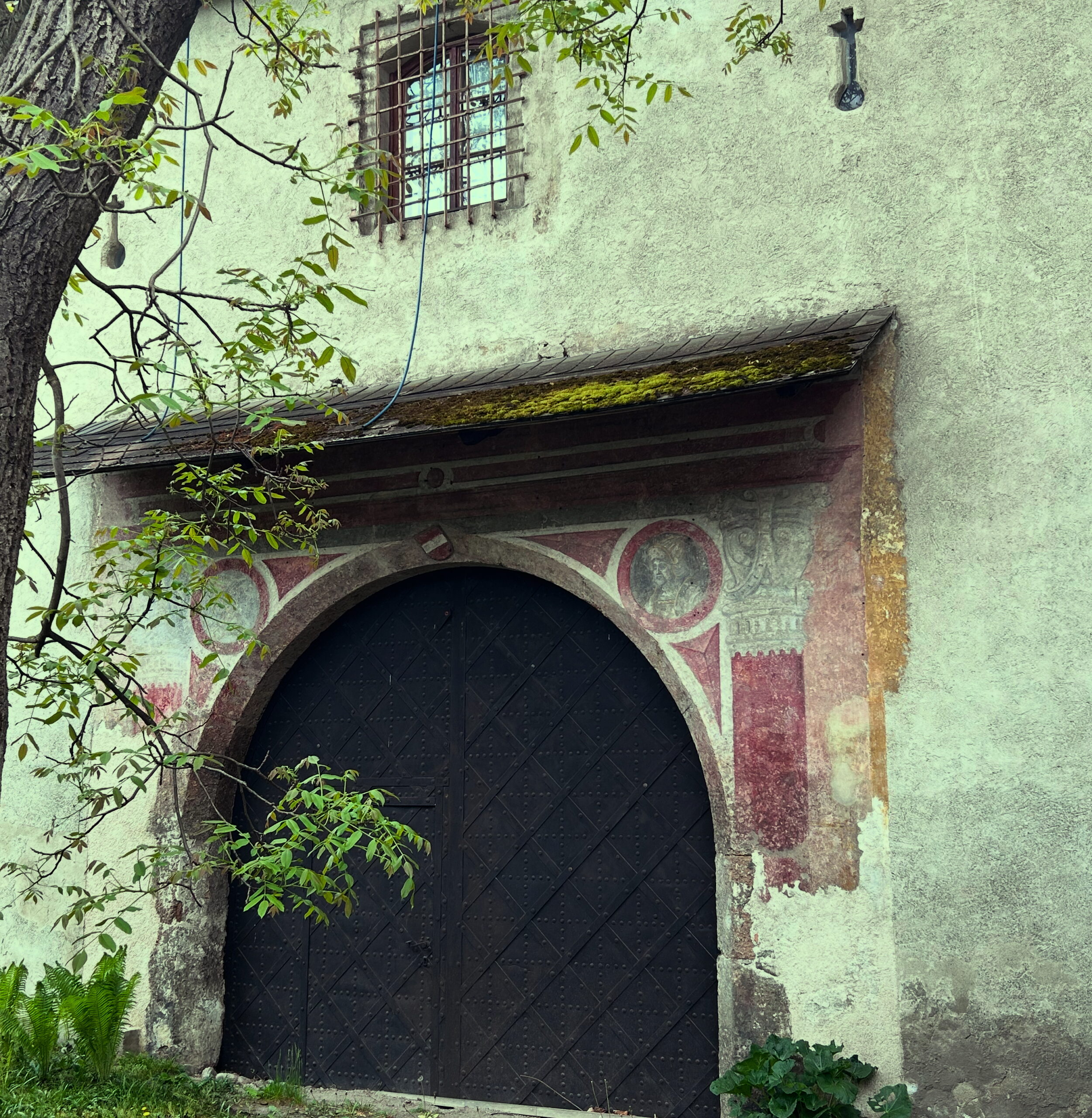
In the second half of the seventeenth century, the importance of the arms industry in Innsbruck declined. Suits of armour went out of fashion and the front line shifted from Italy to Central Europe, where the Turkish wars dominated events. The arms industry migrated out of the Alpine region towards the north and east. The business of war, however, remained tied to the Zeughaus: the building was used as a barracks until 1918. Anyone strolling once around the site today will find not only the Gothic back door on the east side, but also other interesting structures; the flat houses grouped around courtyards still recall the former military use. Today, the Zeughaus houses a museum with changing exhibitions and a permanent exhibition on the cultural history of Tyrol. Large residential blocks have been built around it, and the former barracks buildings now accommodate a kindergarten. Events such as open‑air cinema screenings take place in the inner courtyard of the Zeughaus.
Innsbruck's industrial revolutions
Innsbruck has always seen itself primarily as a city of trade, tourism, and academia. In reality, however, manufacturing and productive industries have played a significant role in its history. As early as the fifteenth century, a proto‑industrial form of production began to emerge from traditional crafts. Metalworking flourished in the booming residential city, driven by the construction boom and the demand for weapons and armour. A combination of factors made this possible: the city’s favourable transport connections, the availability of water power, Innsbruck’s political rise, the craftsmanship of its artisans, and access to capital under Maximilian all contributed to the development of necessary infrastructure. Bell founders and armaments manufacturers such as the Löffler family established workshops in Hötting, Mühlau, and Dreiheiligen that ranked among the leading enterprises of their time in Europe. Along the Sill Canal, mills and workshops harnessed water power as an energy source. Powder mills and silver smelting works were located in Silbergasse, today’s Universitätsstraße. In what is now Adamgasse, close to the city, a munitions factory once stood, which exploded in 1636.
The wealth generated by metalworking stimulated other sectors of the economy. By the early seventeenth century, around 270 businesses were operating in Innsbruck, providing employment for masters, journeymen, and apprentices. Although most of the population was still engaged in administration, trade and craft industries—and the money they generated—began to attract a new social stratum. This led to a redistribution within the city. Citizens and businesses gradually displaced officials and members of the aristocracy from the Neustadt. Many of the Baroque palazzi that now line Maria‑Theresien‑Straße were built during this period, while districts such as Dreiheiligen and St. Nikolaus developed into industrial and working‑class quarters. In addition to metalworking in the Silbergasse area, tanners, carpenters, wagon makers, builders, stonemasons, and other crafts associated with early industrialisation settled here.
Die Industrie änderte nicht nur die Spielregeln im Sozialen durch den Zuzug neuer Arbeitskräfte und ihrer Familien, sie hatte auch Einfluss auf die Erscheinung Innsbrucks. Die Arbeiter waren, anders als die Bauern, keines Herren Untertanen, auch wenn sie natürlich dem strengen Gehorsam ihres Brötchengebers unterworfen waren. Unternehmer waren zwar nicht von edlem Blut, sie hatten aber oft mehr Kapital zur Verfügung als die Aristokratie. Die alten Hierarchien bestanden zwar noch, begannen aber zumindest etwas brüchig zu werden. Die neuen Bürger brachten neue Mode mit und kleideten sich anders. Kapital von außerhalb kam in die Stadt. Wohnhäuser und Kirchen für die neu zugezogenen Untertanen entstanden. Die Arbeiterviertel vor den Toren der Stadt wurden von den alteingesessenen Innsbruckern argwöhnisch beäugt, nicht zuletzt, weil den überfüllten Siedlungen nachgesagt wurde, Brutstätten für Pestausbrüche zu sein. 1512 starben in Innsbruck und den umliegenden Dörfern gut 700 Menschen an der Seuche. Die großen Werkstätten veränderten nicht nur die Zusammensetzung der Einwohner, sondern auch Geruch und Klang der Stadt. Die Hüttenwerke waren laut, der Rauch der Öfen verpestete die Luft. Innsbruck war von einer kleinen Siedlung an der Innbrücke zu einer Proto-Industriestadt geworden.
Growth was interrupted for several decades at the end of the eighteenth century by the Napoleonic Wars. Compared to other parts of Europe, the second wave of industrialisation arrived relatively late in Innsbruck. One reason was the delayed development of a functioning banking system. For devout Catholics, bankers were still regarded as “usurers and moneylenders,” and financial dealings were considered morally questionable. Without access to credit, however, large enterprises could not be established. Although the Tyrolean provincial government had founded the Banko as early as 1715 and a private bank operated in Herzog‑Friedrich‑Straße, it was only with the establishment of a branch of the savings bank that people no longer had to keep their money hidden at home. From around 1850 onwards, credit became available, enabling the creation of larger local enterprises. Traditional crafts—both urban guild-based workshops and seasonal rural production—came under pressure from modern industrial manufacturing. Modern factories emerged in St. Nikolaus, Wilten, Mühlau, and Pradl along the Mühlbach and Sill Canal. Many innovative entrepreneurs came from outside Innsbruck. In what is now Innstraße 23, Peter Walde, who had moved from Lusatia to Innsbruck, founded a business in 1777 producing goods derived from fats, such as tallow candles and soap. Eight generations later, Walde remains one of Austria’s oldest family businesses, and its historic headquarters—with its Gothic vaulted ceilings—still sells soaps and candles today. Franz Josef Adam, originally from the Vinschgau, established what became the city’s largest brewery in a former aristocratic residence. In 1838, the spinning machine arrived in Pradl via the Dornbirn firm Herrburger & Rhomberg, bringing textile production into the region. The company had acquired land along the Sill floodplain, where water power provided ideal conditions for operating heavy machinery. Alongside wool, cotton was now also processed.
As 400 years earlier, the Second Industrial Revolution fundamentally transformed both the city and the daily lives of its inhabitants. Districts such as Mühlau, Pradl, and Wilten expanded rapidly. Factories were often located directly within residential areas. Around 1900, more than twenty enterprises were still using the Sill Canal. The Haidmühle in Salurnerstraße operated from 1315 to 1907. A textile factory in Dreiheiligenstraße was also powered by the canal. Noise and emissions from machinery placed heavy burdens on residents, as described in a newspaper article from 1912:
“The installation of an explosion engine in the Hibler fig‑coffee factory near the main railway station has caused outrage among the residents of the surrounding district. The noise produced by this machine throughout most of the day is extremely disturbing and diminishes the value of nearby dwellings. The once highly sought-after garden rooms in hotels on Bahnhofplatz are now scarcely rentable. Even worse than the noise, however, is the smoke and stench produced by the new machine…”
Aristocrats who had relied too long on inherited wealth were increasingly forced to sell their estates to the rising bourgeoisie. For example, Palais Sarnthein—originally built in 1689—was later used by a weapons manufacturer and merchant, Johann Peterlongo. Some members of the aristocracy adapted successfully, investing their resources in industrial ventures. The growing demand for labour was met by former farmhands and landless peasants. While wealthy entrepreneurs built villas in Wilten, Pradl, and Saggen, and middle-class employees occupied urban housing, workers were often accommodated in dormitories or mass housing. Twelve-hour shifts in cramped, noisy, and polluted conditions placed heavy demands on labourers. Child labour was not restricted until the 1840s, and women earned only a fraction of men’s wages. Workers were often dependent on company-owned housing and lacked legal protections. Social security systems did not yet exist; those unable to work depended on charitable support from their home communities. It should be noted that these harsh conditions were not entirely new but evolved from rural life, where inequality, child labour, and precarious work had been common.
However, industrialisation did not only affect everyday material life. Innsbruck experienced the kind of gentrification that can be observed today in trendy urban neighbourhoods such as Prenzlauer Berg in Berlin. The change from the rural life of the village to the city involved more than just a change of location. In one of his texts, the Innsbruck writer Josef Leitgeb tells us how people experienced the urbanisation of what was once a rural area:
“…a great many strangers, poorly dressed, crowded into growing housing blocks, filling the streets morning, noon, and evening as they went to and from work… faces pale and prematurely aged, lacking individuality in posture, speech, and clothing—no longer individuals, but a uniform, endlessly repeatable urban working class… The railway station and the gasworks seemed to be the core of this new and profoundly alien landscape.”
After 1848, many Innsbruck residents experienced a process of “bourgeoisification.” Stories of upward mobility through diligence, talent, and opportunity became more common. Notable examples still in existence include the Tyrolean glass painting workshop, the Hörtnagl food business, and the Walde soap factory. Successful entrepreneurs came to occupy roles once held by the landed nobility, forming вместе with academics a new influential social class. Even workers experienced a degree of bourgeois emancipation. Unlike peasants bound to feudal lords, they now received wages instead of subsistence and gained some autonomy over their private lives. Together with the many academics, they formed a new social class that increasingly gained political influence. As early as 1851, Beda Weber remarked approvingly: “Their social circles are unforced; one already senses something distinctly metropolitan, something not easily found elsewhere in Tyrol.”
The workers also became bourgeois. While the landlord in the countryside was still master of the private lives of his farmhands and maidservants and was able to determine their lifestyle up to and including sexuality via the release for marriage, the labourers were now at least somewhat freer individually. They were poorly paid, but at least they now received their own wages instead of board and lodging and were able to organise their private affairs for themselves without the landlord's guardianship.
However, the downside of this newly gained autonomy became particularly apparent in the early decades of industrialisation. There was little state infrastructure for healthcare or family support. Health insurance, pensions, retirement homes, and childcare facilities did not yet exist; previously, these functions had largely been fulfilled within extended rural families. In working-class districts, unsupervised children were a common sight during the day—especially the youngest, who were not yet subject to compulsory schooling. In response, a women’s association was founded in 1834 following an appeal by the Tyrolean provincial governor. It established childcare institutions in working-class districts such as St. Nikolaus, Dreiheiligen, and Angerzell (today’s Museumstraße). Their aim was not only to keep children off the streets and provide them with food and clothing, but also to instill manners, modest behaviour, and moral discipline. Under strict supervision, caretakers ensured “cleanliness, order, and obedience,” thereby providing at least a basic level of care. The former childcare institution in Paul‑Hofhaimer‑Gasse behind the Ferdinandeum still exists today. The neoclassical building now houses a Caritas integration kindergarten and a daycare center for employees of the State of Tyrol.
Innsbruck never became a traditional industrial working‑class city. Even so, a significant labour movement—such as that found in Vienna—never truly developed in Tyrol. While there were Social Democrats and a small number of Communists, the working class remained too small to exert substantial political influence. May Day marches, for example, are attended by many primarily for inexpensive food and free beer rather than political engagement. More broadly, there are few memorial sites dedicated to industrialisation and the achievements of the working class. Only in places such as St.-Nikolaus-Gasse or in some tenement buildings in Wilten and Pradl have structures survived that offer a glimpse into the everyday life of Innsbruck’s workers.
Maximilian I. and his times
Maximilian zählt zu den bedeutendsten Persönlichkeiten nicht nur der Innsbrucker, sondern der europäischen Geschichte. Über das Land im Gebirge soll er gesagt haben: "Tirol ist ein grober Bauernkittel, der aber gut wärmt." Gründe für die besondere Zuneigung gab es viele. Sein Vater Friedrich III. hatte 1415 in Innsbruck das Licht der Welt erblickt noch bevor die Stadt landesfürstliche Residenz wurde. Maximilian war wie viele seiner Kollegen aus der Hocharistokratie begeisterter Jäger, die Lage der Stadt inmitten der Auen, Wälder und Berge soll, ähnlich wie sie es heute bei deutschen Studenten tut, einen besonderen Reiz auf ihn ausgeübt haben. Trotz dieser überzeugenden Soft Facts waren es aber wohl handfestere Gründe, die ihn dazu bewegten, einen beträchtlichen Teil seiner Amtsgeschäfte hierher zu verfrachten. 1490 übernahm er die Regierungsgeschäfte Tirols auf Bitten der Landstände von seinem Vorgänger Siegmund. Der mächtige Habsburger wollte die wichtigen Assets, die das Land zu bieten hatte, nicht aus dem habsburgischen Portfolio geben. Maximilian machte die ehemalige Handelssiedlung am Inn zu einem der wichtigsten Zentren des Heiligen Römischen Reichs und veränderte damit ihre Geschicke nachhaltig. Auch die strategisch günstige Lage Innsbrucks nahe an den italienischen Kriegsschauplätzen machte die Stadt so interessant für den Kaiser. Viele Tiroler mussten auf den Schlachtfeldern den kaiserlichen Willen durchsetzen, anstatt die heimischen Felder zu bestellen. Das änderte sich erst am Ende seiner Regierungszeit. Maximilian gestand 1511 den Tirolern im Tiroler Landlibell, einer Art Verfassung zu, dass sie als Soldaten nur für den Krieg zur Verteidigung des eigenen Landes herangezogen werden dürfen. Was von Maximilian-Nostalgikern, die das Dokument gerne als Freiheitsbrief ansehen, gerne vergessen wird, sind die Verpflichtungen wie die Einhebung von Sondersteuern im Kriegsfall, die damit geregelt werden. Für Innsbruck zahlte es sich auf jeden Fall aus, wenn nicht finanziell, so zumindest kulturell. „Wer immer sich im Leben kein Gedächtnis macht, der hat nach seinem Tod kein Gedächtnis und derselbe Mensch wird mit dem Glockenton vergessen.“ Maximilian actively and successfully countered this fear by erecting highly visible symbols of imperial power such as the Goldenen Dachl entgegen. Propaganda, Bild und Medien spielten eine immer stärkere Rolle, bedingt auch durch den aufkeimenden Buchdruck. Maximilian nutzte Kunst und Kultur, um sich präsent zu halten. Er hielt sich eine Reichskantorei, eine Musikkapelle, die an Feiertagen und bei öffentlichen Auftritten und Empfängen internationaler Gesandter zum Einsatz kam. Bekannt bis heute ist die Komposition des aus Burgund angeworbenen Hofkomponisten Heinrich Isaac „Innsbruck ich muss dich lassen“, die vom deutschen Duo Zupfengeigenhansel in den 1970ern hörenswert neu interpretiert wurde und heute auf Streamingdiensten genossen werden kann. Maximilian ließ von Künstlern, Baumeistern und Gelehrten wie Georg Kölderer und Niklas Türing einen wahren Personenkult mit Münzen, Büchern, Druckschriften und Gemälden rund um sich selbst veranstalten.
For all the romance cultivated by this lover of courtly traditions and classical chivalry, Maximilian was a cool-headed power politician. His cultural policy and propaganda may have drawn on medieval models, but in realpolitik terms he was forward-looking. During his reign, political institutions such as the Imperial Diet (Reichstag), the Imperial Aulic Council (Reichshofrat), and the Imperial Chamber Court (Reichskammergericht) emerged, strictly regulating the relationship between subjects, territorial lords, and monarchy. Around 1500, Tyrol had approximately 300,000 inhabitants. More than 80 percent worked in agriculture and lived largely from the yields of their farms. In a veritable frenzy of new legislation, Maximilian curtailed peasant rights to the commons. Timber harvesting, hunting, and fishing were subordinated to the territorial lord and were no longer communal rights. This had negative effects on peasant self-sufficiency. Thanks to the new laws, hunters became poachers. Meat and fish, long staples of the medieval diet, became luxuries that could often only be obtained illegally. As a result, Maximilian was unpopular among large segments of the population during his lifetime.
Restrictions on self-sufficiency were joined by new taxes. It had always been customary for sovereigns to impose additional taxes on the population in the event of war. Maximilian's warfare differed from medieval conflicts. The auxiliary troops and their noble, chivalrous landlords were supplemented or completely replaced by mercenaries who knew how to use modern firearms.
Diese neue Art ins Feld zu ziehen, verschlang Unsummen. Als die Erträge aus den landesfürstlichen Besitzungen wie Münz-, Markt-, Bergwerks-, und Zollregal nicht mehr ausreichten, wurden die einzelnen Bevölkerungsgruppen je nach Stand und Vermögen besteuert, jedoch war die Steuer noch weit entfernt von unserem heutigen ausdifferenzierten System und brachten dementsprechend Ungerechtigkeit und Unmut mit sich. Ein Beispiel für eine Abgabe war Maximilians Common penny. Die Vermögenssteuer betrug zwischen 0,1 und 0,5% des Vermögens, war aber mit 1 Gulden gedeckelt. Juden mussten unabhängig von ihrem Vermögen eine Kopfsteuer von 1 Gulden bezahlen. Erstmals wurden auch Fürsten zur Kasse gebeten, bezahlten aber durch die Deckelung maximal gleich viel wie ein mittelständischer Jude. Verkündung und Exekution der Steuer unterlagen Prälaten, Pfarrern und weltlichen Herrn. Pfarrer mussten an drei Sonntagen die Steuer von der Kanzel herunter verkünden, die Beiträge gemeinsam mit Vertretern der Gerichte einsammeln und im Reichssteuerregister anlegen. Schnell begriff man, dass diese Art der Steuereinhebung nicht funktionierte. Es bedurfte eines modernen Systems und Steuermodells. Eine kollegiale Kammer, das Regiment, wachte zentral über die Länder Tirol und Vorderösterreich nach dem modernen Vorbild der Burgunder Finanzwirtschaft, die Maximilian in seiner Zeit in den Niederlanden kennengelernt hatte. Innsbruck wurde zum Finanz- und Buchhaltungszentrum für die österreichischen Länder. Die Rait chamber and the House chamber were located in the Neuhof, where today the Goldene Dachl über die Altstadt residiert. Maximilians Erfolgsgeheimnis war es, tüchtigen und fähigen Menschen anspruchsvolle Positionen zu überlassen, anstatt automatisch den Hochadel einzusetzen. Mit Florian Waldauf übernahm ein aufstrebender Sohn aus der damaligen oberen Mittelschicht die Funktion als Rat über die Rait chamber. Waldauf erkannte, dass es besser für die landwirtschaftliche Produktivität war, Bauern als erbberechtigte und verantwortungsbewusste Marktteilnehmer einzusetzen denn als handlungsunfähige Untertanen. 1496 wurden die finanziellen Mittel der österreichischen Erbländer in der Schatzkammer in Innsbruck gebündelt. Vorsitzender der Hofkammer war der Brixner Bischof Melchior von Meckau, der mehr und mehr die Fugger als Kreditgeber miteinbezog. Der Oberhirte Tirols war dem schnöden Mammon als früher Finanzkapitalist mehr zugeneigt als der Seelsorge seiner Schäfchen, sein Privatvermögen soll bei seinem Ableben gigantisch gewesen sein. Beamten wie Jakob Villinger (1480 - 1529) wickelten in der italienisch geprägten Form der doppelten Buchhaltung den Geldverkehr mit Bankhäusern aus ganz Europa ab und probierten den kaiserlichen Finanzhaushalt in Zaum zu halten. Talentierte Kleinadelige und Bürger, studierte Juristen und ausgebildete Beamten lösten den Hochadel in bestimmender Funktion ab. Finanzexperten aus Burgund hatten die kaufmännische Leiter des Regiments über. Die Übergänge zwischen Finanz- und anderen Feldern wie Kriegsplanung und Innenpolitik waren fließend, was der neuen Beamtenschicht große Macht verlieh. War es bisher üblich, dass das Gleichgewicht zwischen Landesfürsten, Kirche, Grundherr und Untertan aus Beitrag und militärischem Schutz bestand, wurde dieses System nun durch Zwang von der Obrigkeit durchgesetzt. Maximilian argumentierte, dass es Pflicht jedes Christenmenschen, egal welchen Standes, sei, das Heilige Römische Reich gegen äußere Feinde zu verteidigen. Die Aufzeichnungen rund um die Streitereien zwischen König, Adel, Klerus, Bauern und Städten um die Abgabenleistung erinnerten schon vor Maximilian stark an heutige politische Diskussion um das Thema der Macht- und Vermögensverteilung. Der große Unterschied zwischen dem ausgehenden 15. Jahrhundert und den vorhergegangenen Jahrhunderten entstand dadurch, dass dank des modernen Beamtenapparats diese Steuern nun auch exekutiert und eingetrieben werden konnten. Der Vergleich mit der Registrierkassenpflicht, der Besteuerung von Trinkgeldern in der Gastronomie und der Diskussion um die Abschaffung des Bargeldes drängt sich auf. Das Kapital folgte der politischen Bedeutung ebenfalls nach Innsbruck. Während seiner Regentschaft beschäftigte Maximilian 350 Räte, die ihm zur Seite standen. Knapp ein Viertel dieser hochbezahlten Räte stammte aus Tirol. Gesandte und Politiker aus ganz Europa bis zum osmanischen Reich sowie Adelige ließen sich ihren Wohnsitz in Innsbruck bauen oder übernachteten in den Wirtshäusern der Stadt. Ähnlich wie Big Money aus Ölgeschäften heute Fachkräfte aller Art nach Dubai lockt, zogen das Schwazer Silber und die daran hängende Finanzwirtschaft damals Experten aller Art nach Innsbruck, einer kleinen Stadt inmitten der unwirtlichen Alpen.
During Maximilian's reign, Innsbruck underwent structural and infrastructural changes like never before. In addition to the representative Goldenen Dachl ließ er die Hofburg umgestalten, begann mit dem Bau der Hofkirche und erschuf mit dem Innsbrucker Zeughaus Europas führende Waffenschmiede. Die Straßen durch die Altstadt wurden für die feinen Leute des Hofstaats befestigt und gepflastert. Als frommer Christ im Sinne der Ritterlichkeit half der Kaiser auch den Ärmsten. 1499 ließ Maximilian die Salvatorikapelle, ein Spital für notleidende Innsbrucker, die keinen Anspruch auf einen Platz im Stadtspital hatten, renovieren und erweitern. 1509 wurde der innerstädtische Friedhof vom heutigen Domplatz hinter das Stadtspital an den heutigen Adolf-Pichler-Platz umgesiedelt. Um Seuchen zu vermeiden, mahnten die landesfürstlichen Beamten dazu, Häuser und Straßen sauber zu halten. Maximilian ließ den Handelsweg im heutigen Mariahilf verlegen und verbesserte die Wasserversorgung der Stadt. Eine Feuerordnung für die Stadt Innsbruck folgte 1510. Maximilian begann auch an den Privilegien des Stiftes Wilten, dem größten Grundherrn im heutigen Stadtgebiet, zu sägen. Infrastruktur im Besitz des Klosters wie Mühle, Säge und Sillkanal sollten stärker unter landesfürstliche Kontrolle kommen.
Der kaiserliche Hof und die wohlhabende Beamtenschaft, die in Innsbruck ansässig waren, transformierte Aussehen und Attitüde Innsbrucks. Maximilian hatte die distinguierte höfische Kultur Burgunds seiner ersten Ehefrau nach Mitteleuropa eingeführt. Kulturell war es vor allem seine zweite Ehefrau Bianca Maria Sforza, die Innsbruck förderte. Nicht nur die königliche Hochzeit fand hier statt, sie residierte auch lange Zeit hier, war die Stadt doch näher an ihrer Heimat Mailand als die anderen Residenzen Maximilians. Sie brachte ihren gesamten Hofstaat aus der Renaissancemetropole mit in die deutschen Länder nördlich der Alpen. Kunst und Unterhaltung in allen Formen blühten auf und auch die Kaufleute freute sich über die Konsumwut der Gattin des Landesfürsten, die von den Räten kaum gezügelt werden konnte.
Under Maximilian, Innsbruck not only became a cultural centre of the empire, the city also boomed economically. Among other things, Innsbruck was the centre of the postal service in the empire. Maximilian was able to build on the expertise of the gunsmiths who had already established themselves in the foundries in Hötting under his predecessor Siegmund. Platers, foundry operators, powder stampers and cutlers settled in Neustadt, St. Nikolaus, Mühlau, Hötting and along the Sill Canal. The Fugger merchant dynasty maintained an office in Innsbruck. In addition to his favoured love of Tyrolean nature, the treasures such as salt from Hall and silver from Schwaz were at least as dear and useful to him. Maximilian financed his lavish court, his election as king by the electors and the eight-year war against the Republic of Venice by mortgaging the country's mineral resources, among other things.
Maximilians Wirken in Innsbruck zu fassen, ist schwierig. Liebesbekundungen eines Kaisers schmeicheln natürlich der Volksseele bis heute. Seine materielle Hinterlassenschaft mit den vielen Prunkbauten verstärken dieses positive Image. Er machte Innsbruck zu einer kaiserlichen Residenzstadt und trieb die Modernisierung der Infrastruktur voran. Innsbruck wurde dank dem Zeughaus zum Zentrum der Rüstungsindustrie, die Schatzkammer des Reiches und wuchs wirtschaftlich und räumlich. Die Schulden, die er dafür aufnahm und das Landesvermögen, das er an die Fugger verpfändete, prägten Tirol nach seinem Tod mindestens ebenso wie die strengen Gesetze, die er der einfachen Bevölkerung verordnete. 5 Millionen Gulden soll er an Schulden hinterlassen haben, einen Betrag, den seine österreichischen Besitzungen in 20 Jahren erwirtschaften konnten. Die ausständigen Zahlungen ruinierten nach seinem Tod viele Betriebe und Dienstleute, die auf den kaiserlichen Versprechungen sitzen blieben. Frühneuzeitliche Herrscher waren nicht an die Verbindlichkeiten ihrer Vorgänger gebunden. Eine Ausnahme bildeten die Vereinbarungen mit den Fuggern, hingen daran doch Pfandrechte. In den Legenden über den Kaiser sind die harten Zeiten nicht so präsent wie das Goldene Dachl and the soft facts learnt at school. In 2019, the celebrations to mark the 500th anniversary of the death of Innsbruck's most important Habsburg under the motto "Tyrolean at heart, European in spirit“. Der Niederösterreicher wurde wohlwollend eingebürgert. Salzburg hat Mozart, Innsbruck Maximilian, einen Kaiser, den Tiroler passend zur gewünschten Identität Innsbrucks als rauen Gesellen, der am liebsten in den Bergen ist, angepasst haben. Sein markantes Gesicht prangt heute auf allerhand Konsumartikeln, vom Käse bis zum Skilift steht der Kaiser für allerhand Profanes Pate. Lediglich für politische Agenden lässt er sich weniger gut vor den Karren spannen als Andreas Hofer. Wahrscheinlich ist es für den Durchschnittsbürger einfacher, sich mit einem revolutionären Wirt zu identifizieren als mit einem Kaiser.
Jakob Fugger: the richest man in history
There were hardly any uncrowned individuals who exerted a greater influence on European history well into the twentieth century than Jakob Fugger (1459–1525). Fugger came from a merchant family in Augsburg. His birth was recorded in the city’s tax register with the linguistically amusing entry “Fucker advenit,” which—when read today—transcends modern language boundaries. That the little “Fucker” would one day build an unprecedented, globally operating financial empire out of the family business was by no means foreseeable. Following long-standing family tradition, Jakob and his brothers initially traded cotton with the wealthy cities of northern Italy. In the region between Florence, Venice, and Milan, an early form of financial capitalism had emerged. From there, banking began its triumphant advance across Europe in the late Middle Ages. This system soon crossed the Alps; Innsbruck, too, had branches of Italian financial institutions from the High Middle Ages onward. Merchants who did not wish to carry vast amounts of cash required so‑called bills of exchange to conduct their transactions. In the major trading cities, commercial offices modeled on Italian examples were established. In Venice—the center of long-distance trade in the eastern Mediterranean—Jakob Fugger learned the art of double-entry bookkeeping and the subtleties of advanced Italian economic management. He quickly realized that far more profit could be made through financial transactions and lending than through cotton trading.
The financial-political system prevailing at the time, combined with new demands on power politics, formed the framework within which early capitalism could grow. During the Middle Ages, Europe’s monarchs and aristocrats financed their courts and wars through the tithe, a levy paid by peasants within the feudal system. Modern warfare, driven by the introduction of firearms, became increasingly expensive in the fifteenth century, and the tithe was more and more often insufficient to finance armies. Generous contributions from investors in the growing private economy were required, providing funds in exchange for collateral and interest. For centuries it had been sufficient to know that God’s blessing was on one’s side; at the transition to the modern era, the realization emerged that having a powerful house bank was also no disadvantage. The Fugger trading and financial network expanded rapidly in this fertile climate. For their textile business, branch offices were established in Venice, Bolzano, Milan, Nuremberg, Frankfurt, Bruges, and Antwerp. These branches were multifunctional hybrids comprising sales outlets, bank branches, horse stations, warehouses, postal and news offices, and diplomatic representations. Capital and politics did not remain separate for long. Jakob Fugger’s connection with the House of Habsburg—and with Tyrol in particular—began to intensify in 1487. The Tyrolean ruler Archduke Sigismund suffered defeat in a military conflict with the Republic of Venice. To repay his debts to the Mediterranean power, amounting to 100,000 guilders, he borrowed money from the Fuggers. In return, he issued promissory notes secured by pledging the silver mine at Schwaz to his creditors. Prior to the exploitation of the American silver mines, Schwaz was the largest silver mine in the world. The Fuggers sold the Schwaz silver to the mint at Hall, which they themselves also operated, and then lent these newly minted coins back to Duke Sigismund. A cycle of a very special kind was born. This did not mark the end of the Fuggers’ political influence on world affairs; rather, it was only the starting signal. When the Tyrolean estates deposed Sigismund in 1490 because of his disastrous financial management, Maximilian I succeeded him as ruler of Tyrol. Not only did Maximilian’s lifespan coincide with that of Jakob Fugger, but the destinies of the two men were closely intertwined. The history of Tyrol itself was shaped by the most significant financial magnate of his age. Fugger was astute enough to place his trust in the new ruler. The word “credit,” derived from the Latin credere—to believe—finds clear expression in this decision. Fugger believed that a powerful Maximilian was his most valuable asset. In 1493, Fugger financed Maximilian’s election as Emperor of the Holy Roman Empire, thereby securing his influence and elevation to the nobility. Fugger was also the sponsor of the Viennese double marriage—Maximilian’s masterpiece of dynastic marriage policy—through which Hungary became part of the Habsburg realm. When Maximilian died in 1519, Fugger repeated this strategy, using his financial power to ensure the election of Maximilian’s grandson Charles V as emperor. A loan of 540,000 guilders was extended by the Fuggers to the Habsburgs to cover campaign and bribery expenses. In return, Charles V granted Fugger rights to mines in Spain and South America, where enslaved people worked under inhumane conditions to keep this cycle of exploitation and corruption in motion.
Between 1487 and 1525 alone, the Fuggers granted the Habsburgs an estimated two million guilders in loans. One guilder was equivalent to sixty crowns, while a day laborer earned approximately six crowns per day. With this sum, nearly 55,000 people could have been employed daily for an entire year. A significant portion of these debts was repaid through usage rights to Tyrolean assets and increased taxation. It is estimated that at the time of Jakob Fugger’s death, his financial empire handled around 50 percent of Tyrol’s state budget and controlled 10 percent of the assets of the Holy Roman Empire. His officials managed mines in Tyrol, Bohemia, Slovakia, and Spain, financed trading expeditions throughout the entire known world of the time, and funded numerous wars across Europe. To some historians, Jakob Fugger is considered the richest man in world history. The exact extent of his wealth is difficult to translate into modern terms; when the Frankfurter Allgemeine Zeitung attempted such a calculation in 2016, it arrived at a figure of 300 billion US dollars. Like Maximilian I, Jakob Fugger was both a power-driven individual and an educated, devout Catholic. Corruption, exploitation, the financing of wars, and—out of piety and fear of purgatory—the founding of the Fuggerei, the world’s first social housing complex in Augsburg, were not mutually exclusive in his worldview. In Innsbruck, the Palais Fugger‑Taxis as well as a small alley between Maria‑Theresien‑Strasse and Landhausplatz still commemorate the Fugger family.