Theatres, country stages, cinemas & Kuno
Theatres, country stages, cinemas & Kuno
The Tyrolean State Theatre, opposite the Imperial Palace, remains to this day the most striking monument to the city's educated middle-class evening entertainment. Since its existence began, however, this house of high culture has, for the most part, led a rather dreary existence when it comes to audience numbers. From Baroque plays centered on the suffering of Christ in the 16th century to daring productions nearly 500 years later that were often rewarded with little applause by audiences, activity at the State Theatre has always been the passion of a small elite. The majority of Innsbruck’s inhabitants, by contrast, spent their leisure time with more down-to-earth amusements. Travelling performers had already been welcome guests during the Middle Ages, although only under certain conditions. Just as today, public performances in earlier times were subject to strict censorship. What age restrictions for cinema films are today were once limitations placed on performances deemed displeasing to God, extending even to complete bans on theatre and acting under particularly devout provincial rulers. As society became increasingly bourgeois and moral attitudes more enlightened, these rules gradually became less restrictive. This marked the beginning of the institutionalization of theatre. According to its own records, the Pradl Farmers’ Theatre (Pradler Bauerntheater), the oldest folk theatre group in Innsbruck that still exists as an institution today, was founded in 1762. Although its first venue was an open-air stage in the Hötting meadows, and although craftsmen and students as well as farmers were part of the ensemble, this should not diminish either the honour of its name or its origins. While performances at the State Theatre were often staged before half-empty audiences, the amateur actors of the farmers’ theatre enjoyed great popularity with their comedies. Innsbruck residents of all social classes made weekend pilgrimages from the city to performance venues in the surrounding villages or enjoyed the evening entertainment in local inns. Especially popular were the so-called knights’ plays, featuring abducted princesses, heroic rescuers, and clumsy villains. Unlike the serious productions presented in bourgeois theatre, the performers of the farmers’ theatres interacted directly with the audience. Interjections from the spectators were not suppressed but spontaneously incorporated into the play. It could even happen that the audience, not always entirely sober, physically intervened in the action of the performance. In 1870, the Pradl Farmers’ Theatre moved into a hay barn at the Lodron Estate (Lodronischer Hof) on Egerdachstraße that had been converted into a stage. In 1898, the company even toured Vienna. By that time, Innsbruck already possessed a whole range of theatres and venues that entertained audiences with plays and music. In 1892, the Löwenhaus Stage (Löwenhaus-Bühne) opened on Rennweg, on the site where the Tyrolean regional ORF broadcasting centre is located today. The wooden building burned down in the late 1950s, just as state broadcasting was beginning its rise.
From the large number of theatre troupes, one particularly ambitious showman emerged. Ferdinand Exl (1875–1942) broke new ground with part of the Pradl Farmers’ Theatre (Pradler Bauerntheater). For a long time, the accepted wisdom had been: "Anyone who wants to go to a farmers’ theatre will not find what they are looking for in the theatre, and anyone who seeks not merely entertainment but literary inspiration in the theatre does not go to a farmers’ theatre." Exl recognized the trend of the times. Clerks and workers could not afford the exorbitant ticket prices of the State Theatre, nor did they wish to sit through lengthy Wagner operas or plays such as The Sorrows of Young Werther. Nevertheless, audiences did expect a certain level of quality in both content and performance. With the so-called literary folk plays by renowned local authors such as Ludwig Anzengruber, Franz Kranewitter, and Karl Schönherr, Exl succeeded in combining entertainment with artistic quality. Anzengruber summarized this development as follows:
Anzengruber's Tyroleans not only sing Schnaderhüpfel, platteln d'Schuh, swear like Croats and scuffle, but they are also people with a subtle psyche who have their own thoughts about various problems and develop their own philosophy.
The first play staged by Exl, The Priest of Kirchfeld (Der Pfarrer von Kirchfeld) by Ludwig Anzengruber, was performed in 1902 at the Österreichischer Hof in Wilten. In 1903, the Exl Stage (Exl Bühne) moved to the Adambräu brewery in Adamgasse. From 1904 to 1915, audience favourites such as Franz Kranewitter’s plays Michael Gaismair and Andre Hofer were performed at the Löwenhaus near the Court Garden (Hofgarten). In addition to theatrical productions, tourists were offered traditional Tyrolean entertainment, including zither performances and “genuine, lively Tyrolean Schuhplattler dancing.” In 1904, the company embarked on its first international tour, travelling to Switzerland and Germany. Both the press and audiences were enthusiastic about the nationalist-leaning plays, performed by sturdy Tyrolean young men and attractive young women. In 1910, Exl finally abandoned amateur status and, in addition to long-serving members of his own family and the Auer family, increasingly hired townspeople and professional actors. The First World War and the resulting travel restrictions put a stop to further touring activities. The troupe became part of the Innsbruck Municipal Theatre (Innsbrucker Stadttheater), whose audiences, during those difficult years, were also receptive to lighter entertainment. After the most difficult post-war years had passed, the company’s fortunes improved once again. Beginning in 1924, the Exl Stage performed regularly not only at the Municipal Theatre during the winter season but also at Vienna’s Raimund Theatre and the Vienna Comedy House (Wiener Komödienhaus). The political developments of the 1930s greatly benefited the German nationalist spirit that permeated many of the plays Exl brought to the stage. Exl had already joined the National Socialist German Workers’ Party (NSDAP), which was banned in Austria at the time, in 1933. Although Austria’s Christian Social corporative state prohibited the excessively German-nationalist troupe from performing, they received an even more enthusiastic reception during their tours in National Socialist Germany. In 1935, the Exl Stage performed Karl Schönherr’s play Faith and Homeland (Glaube und Heimat) in Berlin. The Berliner Morgenpost of 4 April 1935 described it as: “...art that flows from the depths of German folk culture and returns to the hearts of moved and grateful listeners.” Following Austria’s annexation by Nazi Germany in 1938 (Anschluss), Exl once again enjoyed favourable media attention in his homeland and was celebrated as: “...a counterweight to the completely Judaized, artistically Bolshevized theatre establishment...” In 1942, the founder of the Exl Stage passed away. His wife and son took over the company and, after the war, became part of the Tyrolean State Theatre. During the 1950s, the troupe enjoyed one final successful tour through both West and East Germany before the theatre company was dissolved in 1956.
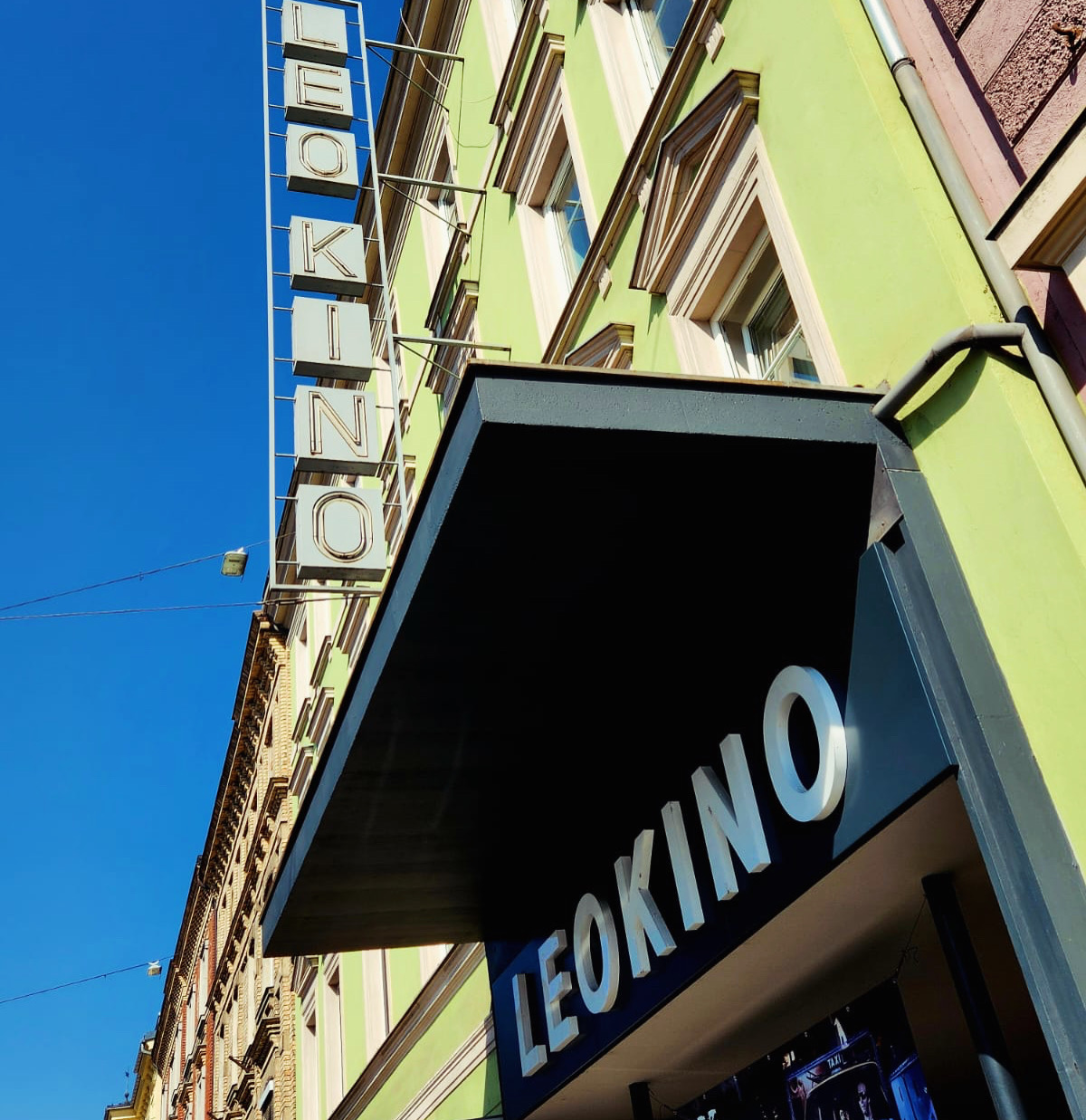
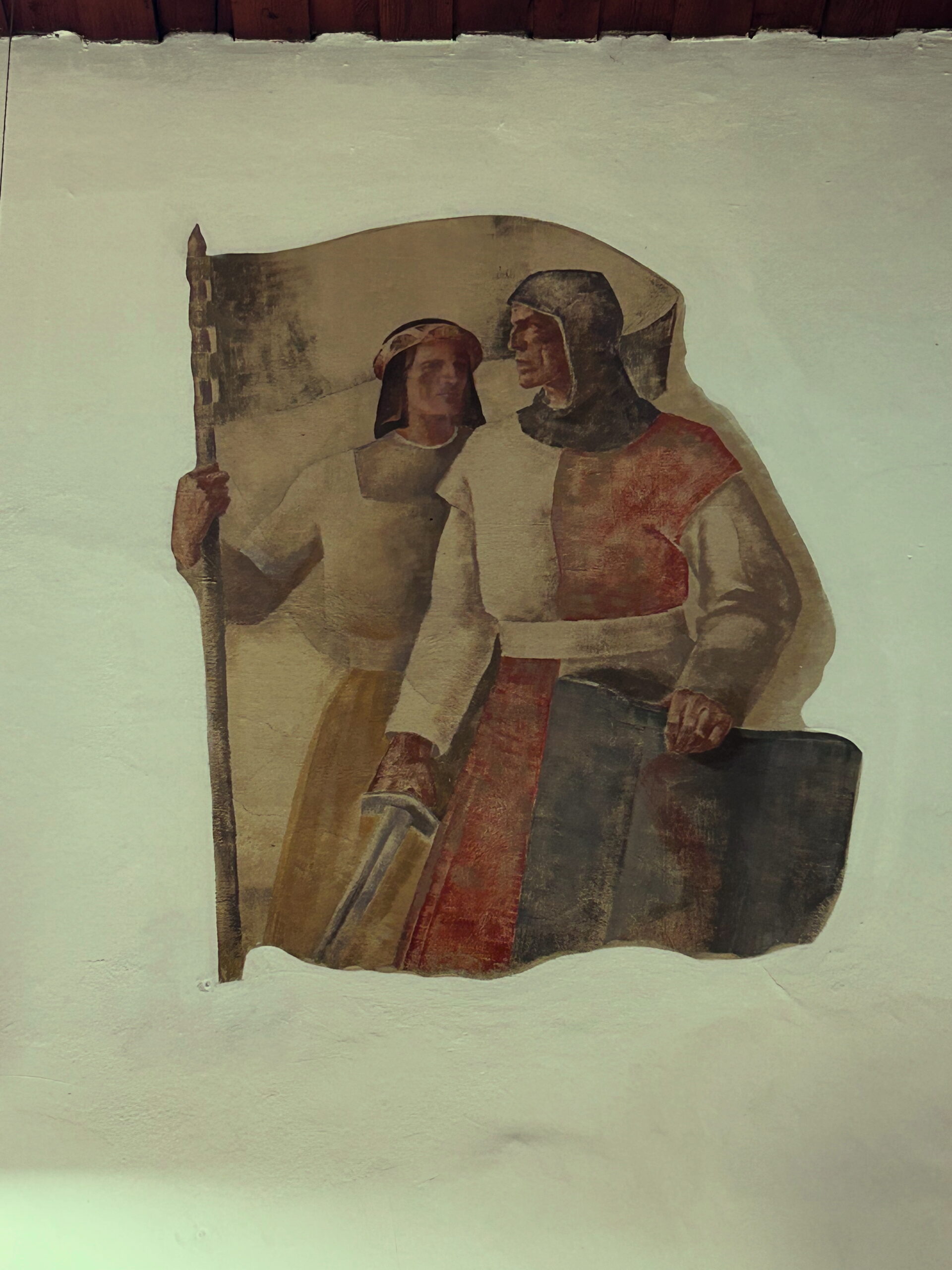
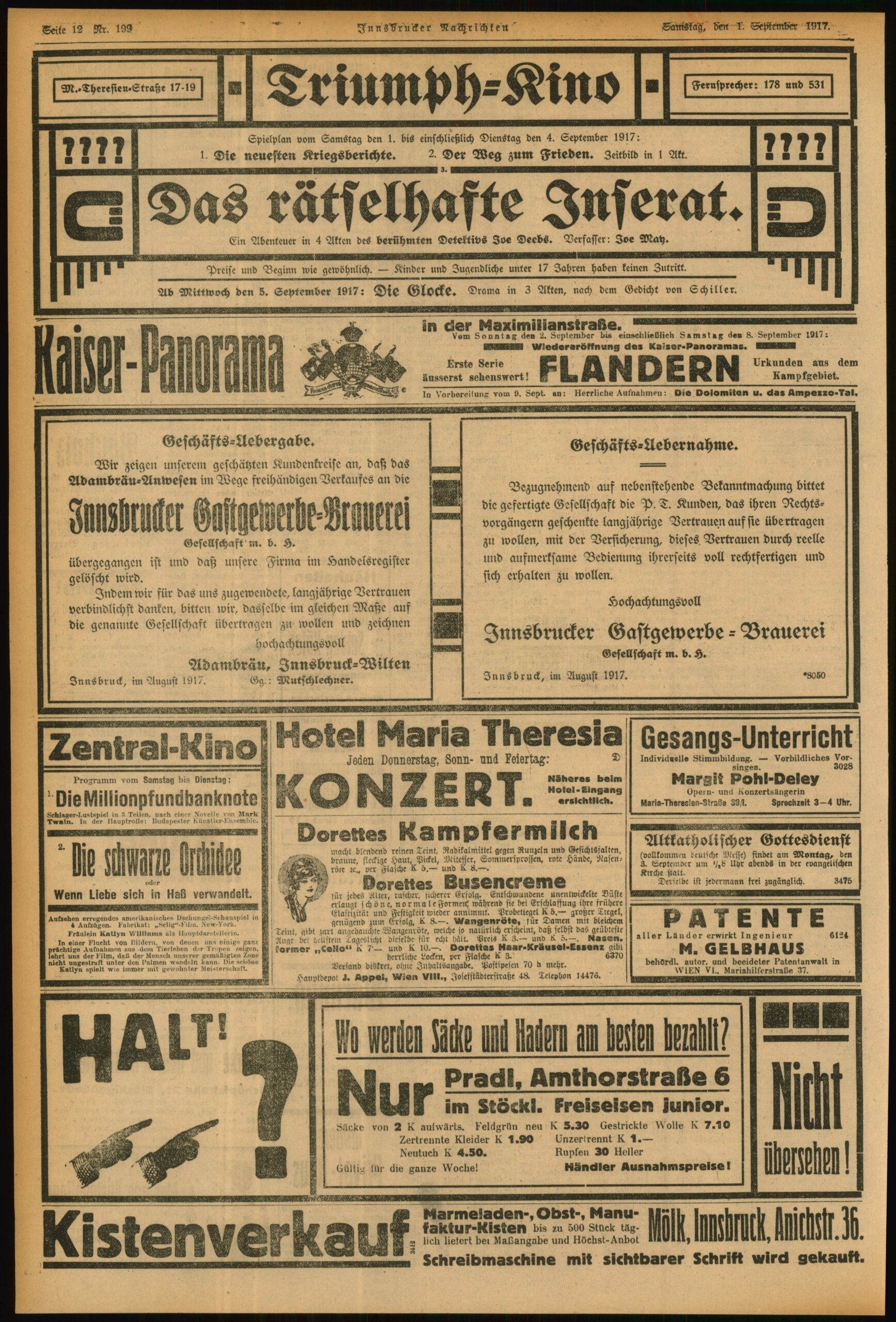
Times had changed. Cinema killed the theatre star. Motion pictures shown in cinemas began to compete with the stage. Ferdinand Exl had foreseen this development early on. In 1912, his ensemble appeared in the French film Speckbacher, which portrayed the Tyrolean Uprising in a heroic light. The first motion picture had already flickered across a screen in Innsbruck’s Stadtsaal in 1896, only one year after the world’s first public film screenings, before a fascinated audience. Cinema quickly became part of everyday life for many people. In addition to silent films, audiences were shown newsreels that were considered politically desirable, especially during wartime and often served propagandistic purposes. In the following decades, cinemas sprang up like mushrooms. In 1909, a movie theatre opened at Maria-Theresien-Straße 10 and later moved to Maria-Theresien-Straße 37, where it became known as the Zentral. After the war it was transformed into a Nonstop Cinema, where visitors bought a ticket for a continuous programme of newsreels, cartoons, advertisements, and feature films that repeated in an endless cycle. In 1928, the Innsbruck Red Cross opened the Kammer-Lichtspiele cinema in Wilhelm-Greil-Straße in order to finance its new association headquarters. At Maria-Theresien-Straße 17 stood the Triumph, which survived under the name Central until the 1990s. The site now occupied by the youth centre Z6 was once home to the Forum Cinema. In 1933, the Löwenkino opened in Höttinger Gasse. In 1959, it moved as the Metropol into the protected historic Malfatti House opposite the Inn Bridge, where it still exists today. During the final phase of the Second World War, Innsbruck’s largest cinema auditorium opened its doors with the Laurin-Lichtspiele, located in the middle of the South Tyrolean settlement on Gumppstraße. Robert and Walter Kinigadner, two South Tyrolean optants who had already gained experience in the cinema business in Brixen (Bressanone), took over operations of the hall, which could seat 800 viewers. Harmless homeland films alternated with National Socialist propaganda productions. The Exl Stage also used the Laurin, which served as a theatre venue until the 1970s, for theatrical performances. Today, a supermarket occupies the space behind the columns of what was once the building’s grand entrance. Above the checkout area, visitors can still see murals depicting the legend of the mythical dwarf king Laurin and the Germanic hero Dietrich von Bern, executed in the characteristic style of National Socialist art. In 1958, the Leokino opened in the premises of the former Catholic Workers’ Association (Katholischer Arbeiterverein). It remains in operation to this day and is a permanent fixture of Innsbruck’s film scene. At their peak in 1958, Innsbruck’s cinemas recorded an astonishing 3.5 million tickets sold. The most popular films were homeland movies and light-hearted comedies such as Sissi starring Romy Schneider and The White Horse Inn (Im Weißen Rössl) starring Peter Alexander. In the 1970s, cinema also assumed a role in public enlightenment when bare breasts first appeared on the screen. Films such as Schoolgirl Report (Schulmädchen-Report) and Josefine Mutzenbacher brought the sexual revolution a little closer to the people of Tyrol as well.
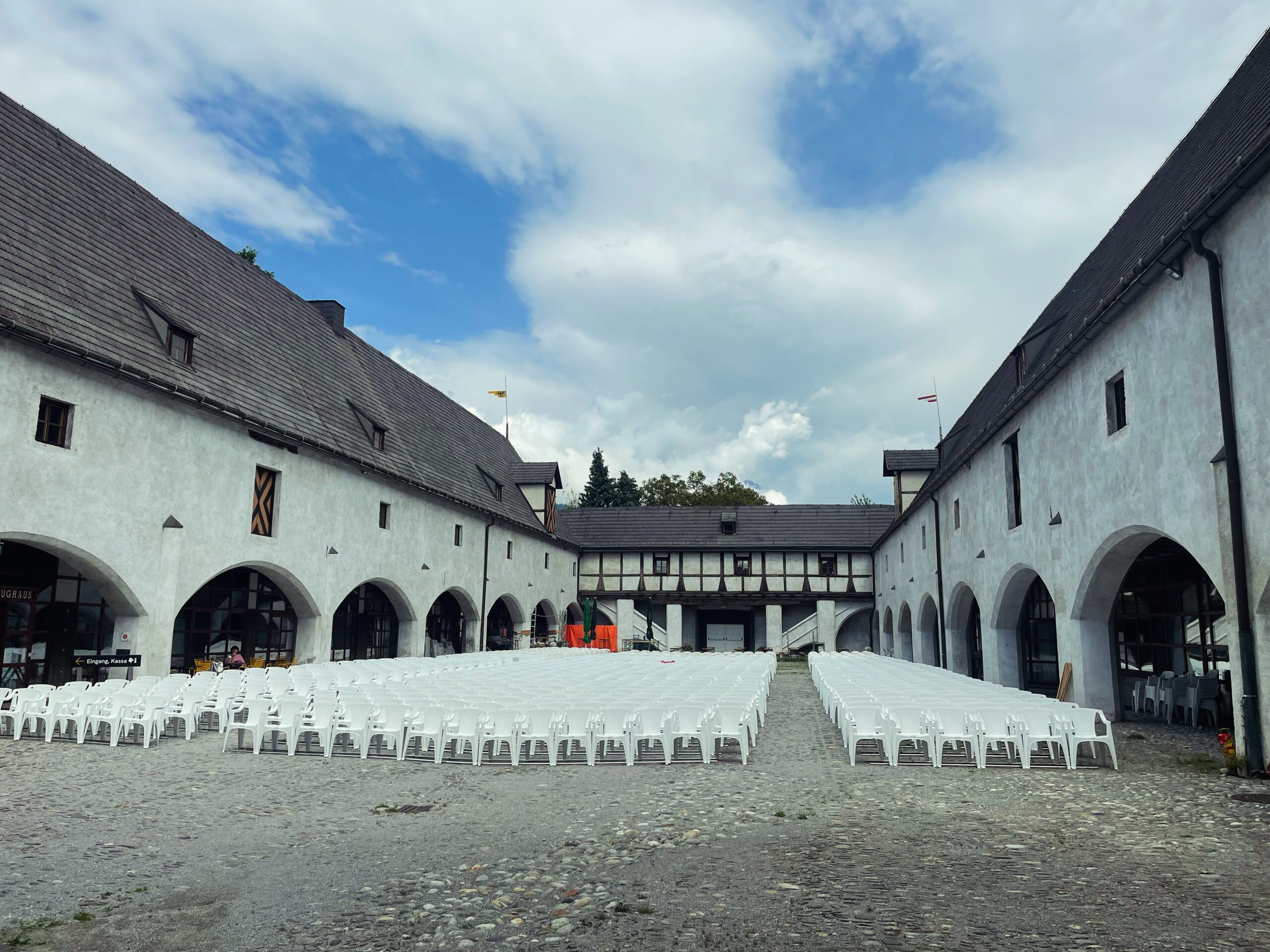
These moral transgressions came at a time when cinema had already begun to pass the peak of its economic success. The television set in the living room was starting to provide both information and evening entertainment. When the Austrian Broadcasting Corporation (Österreichischer Rundfunk, ORF) began operations in 1955, hardly anyone yet owned a television set capable of receiving its rather limited programming. That was to change quickly. The audience figures achieved during the post-war period have never been surpassed. From the long list of cinemas that once existed, only a trio remains. The Metropol, housed in the historic Malfatti House (Malfattihaus), attracts audiences with blockbuster films, while the Cinematograph and the Leokino cater to a more alternative crowd. Every August, an open-air cinema takes place at the Zeughaus (the former armoury). Of the many folk theatres, the Pradl troupe has survived to this day, albeit under a new name. In 1958, they found a new home at the cultural inn Bierstindl. The amateur troupe Innsbrucker Ritterspiele (Innsbruck Knights’ Plays) continues to enjoy immense popularity and regularly performs to full houses. The play The Villainous Kuno of Drachenfels (Der Schurkische Kuno von Drachenfels) revives the traditions of past centuries every year, complete with the repeated beheading scene and humorous interaction with the audience. The Landhaus Alpenheim in the Saggen district, now better known as Villa Exl, where the Exl family once lived, is a notable example of Tyrolean vernacular architecture. It features murals by Raphael Thaler and is well worth a visit. Ferdinand Exl is also commemorated by a street bearing his name in the Höttinger Au district. The times had changed. Folk theatre, once a central form of popular entertainment, had to compete first with cinema and later with television. Yet despite these transformations, elements of Innsbruck’s theatrical tradition have endured. While the grand touring companies and the multitude of cinemas have largely disappeared, institutions such as the Leokino, the Metropol, and the successors of the Pradl Farmers’ Theatre continue to preserve and reinterpret a cultural heritage that stretches back centuries.
Sights to see...
Villensaggen
Falkstrasse / Saggen
Adambräu & Ansitz Windegg
Adamgasse 23
Farmhouses in Pradl
Pradlerstrasse / Egerdachstrasse
Tyrolean State Theatre & Congress Centre
Rennweg 3