#crowdfund…
Help us publish the texts and stories on this page as a book. 100% of the proceeds will be donated to a charitable cause. The goal is to reach a print run of 200 copies and thus raise €2000.
Top 10 in Innsbruck
The top sights of Innsbrooklyn
Take a walk...
Suggestions for getting to know Innsbruck
Daily Shot
New day, new pic
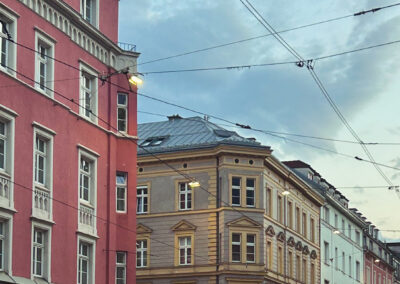
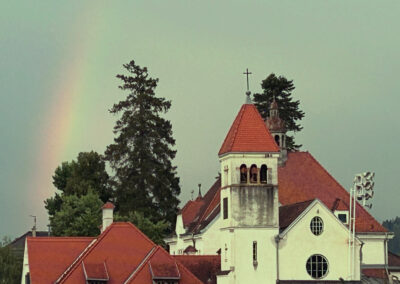
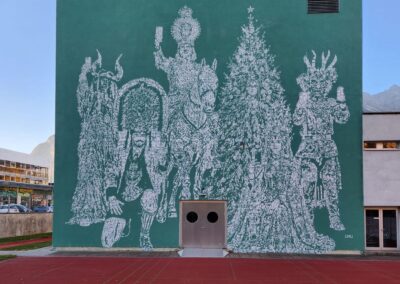
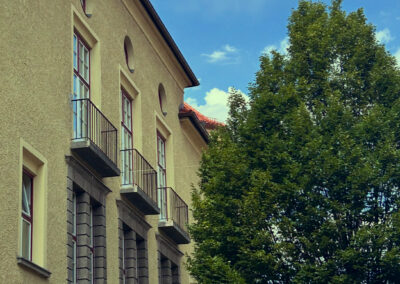
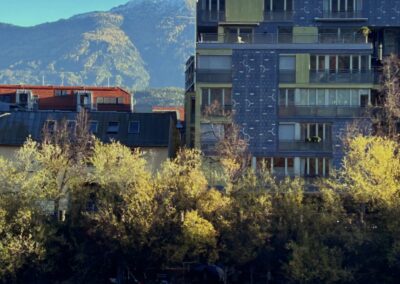
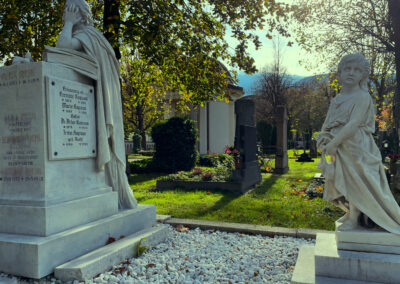
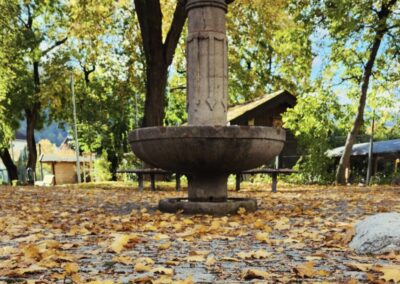
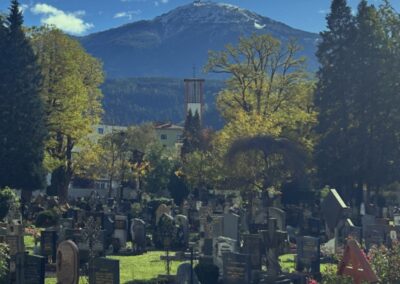
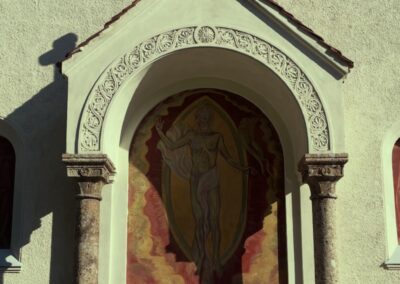
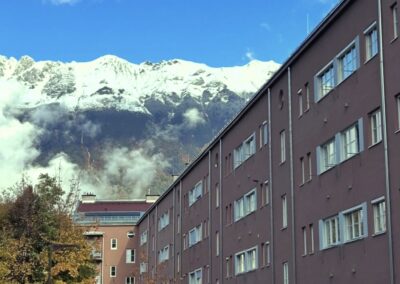
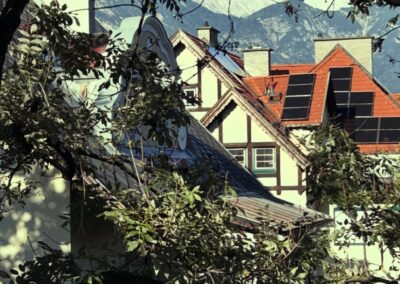
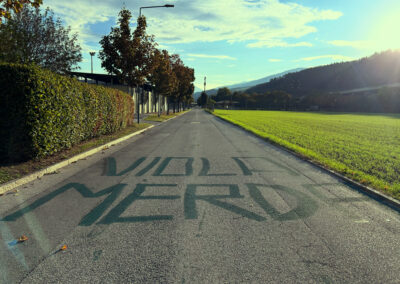
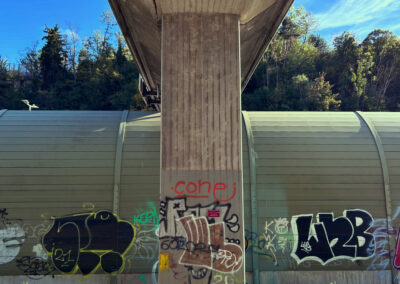
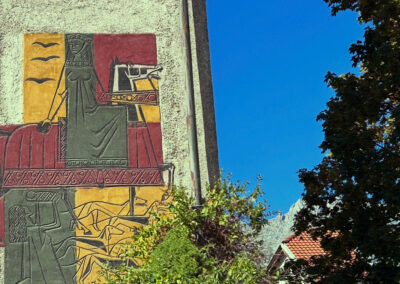
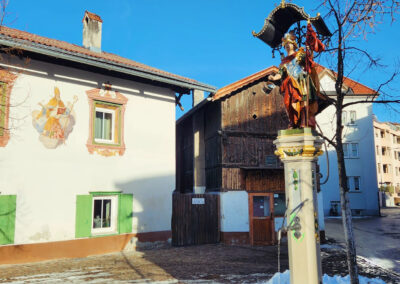
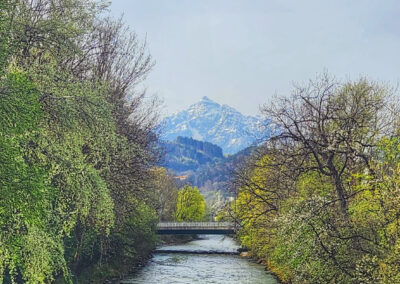
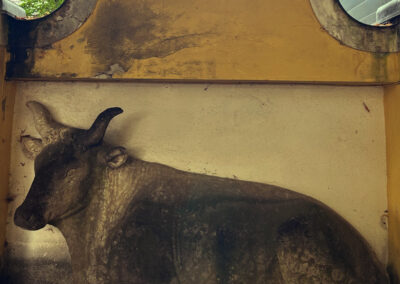
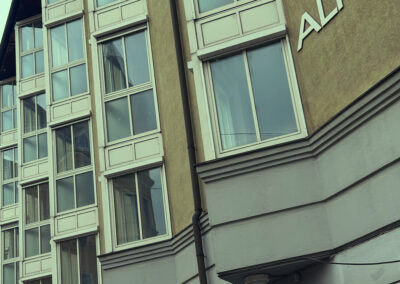
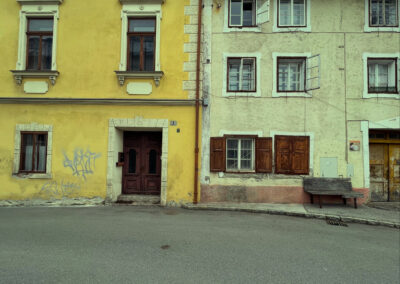
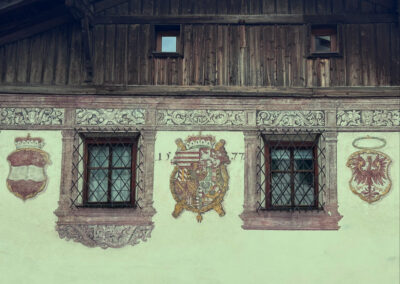
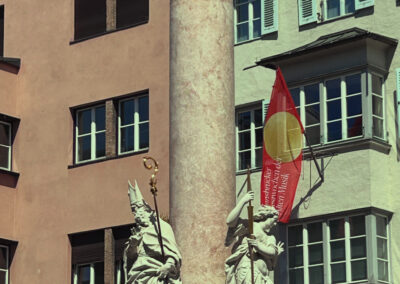
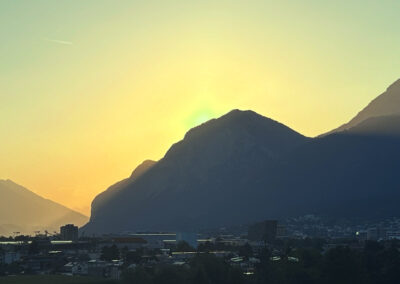
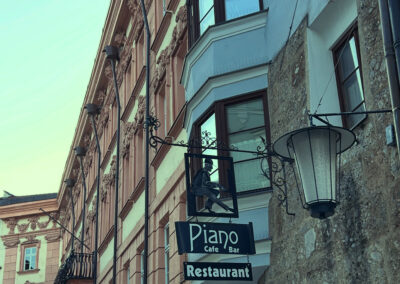
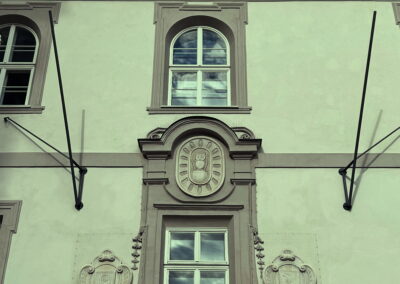
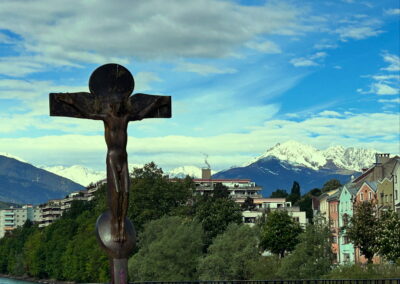
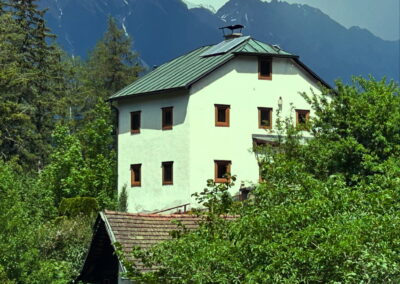
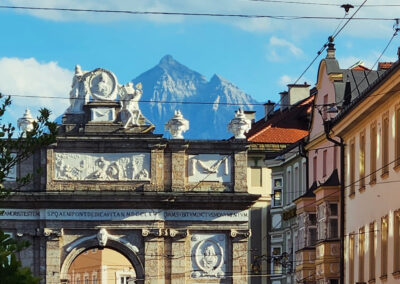
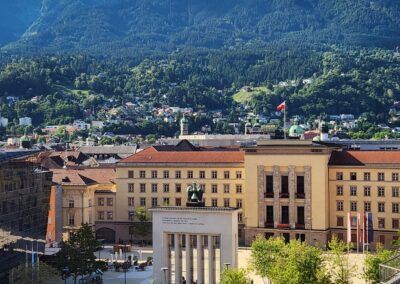
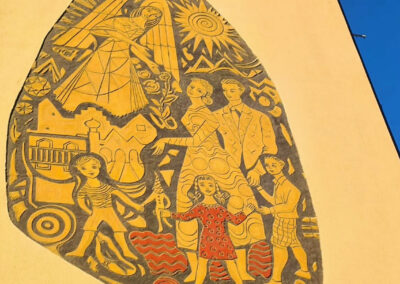
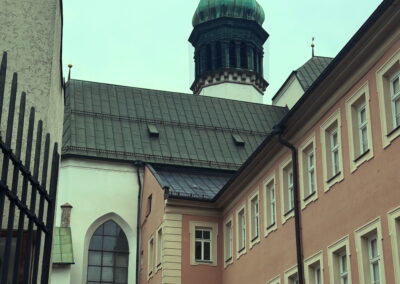
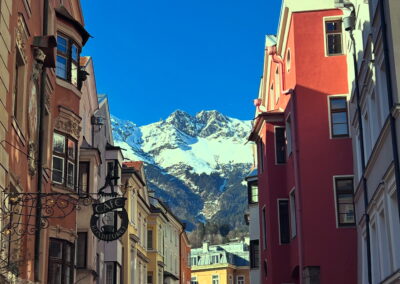
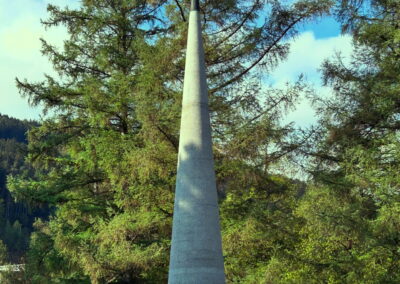
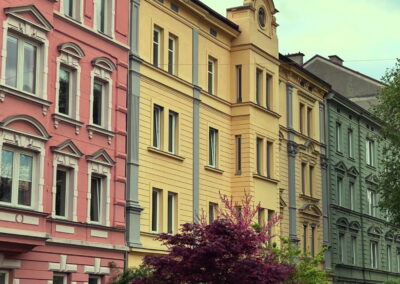
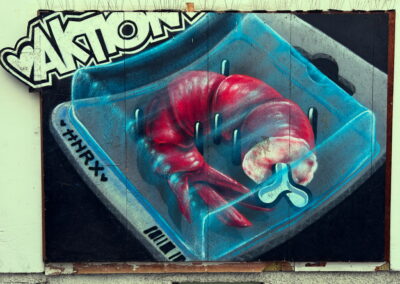
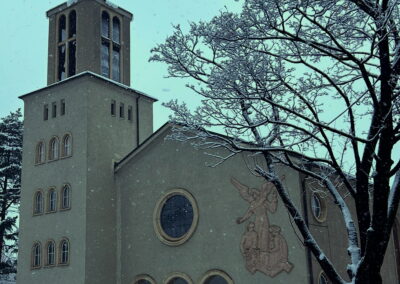
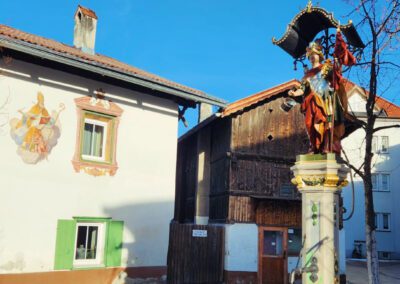
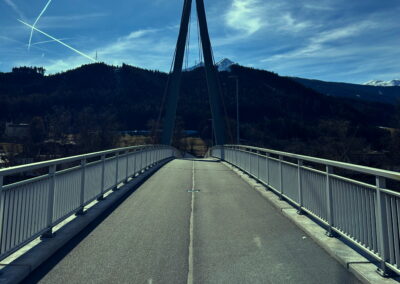
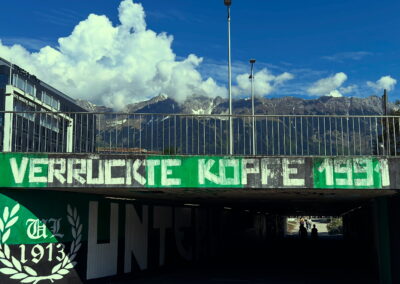
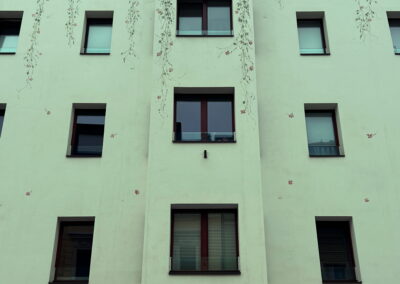
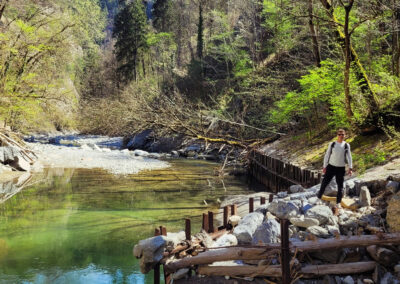
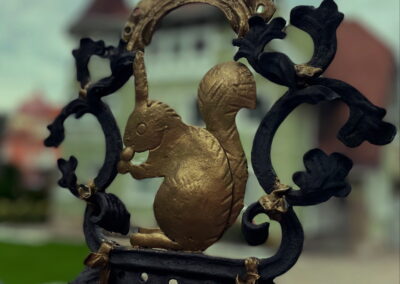
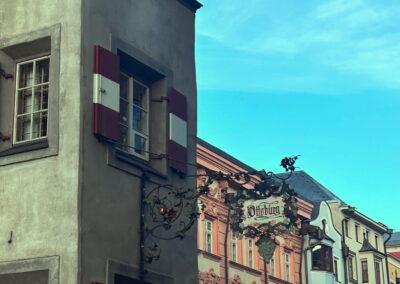
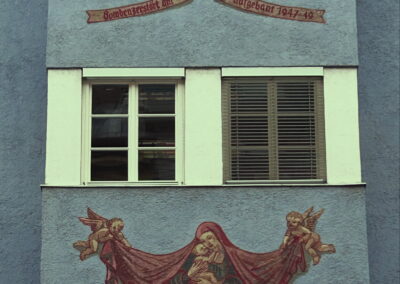
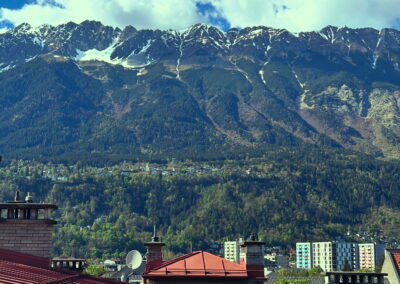
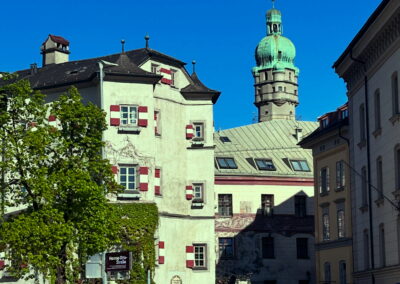
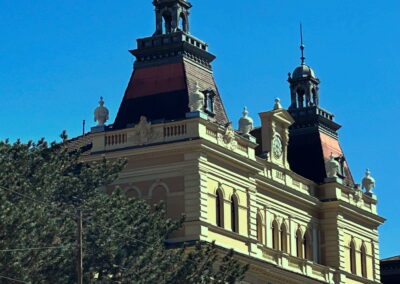
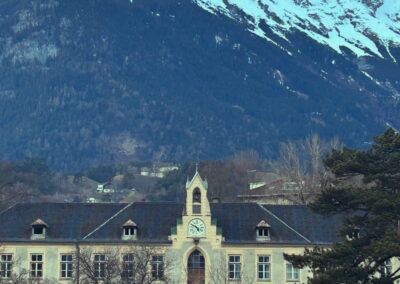
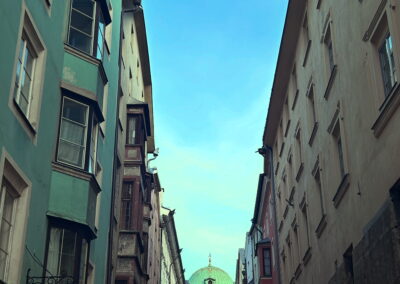
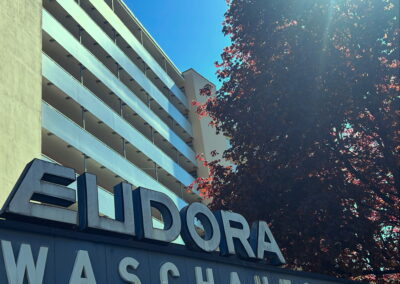
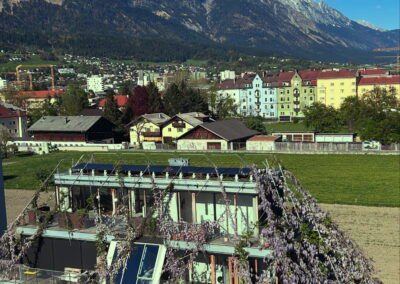
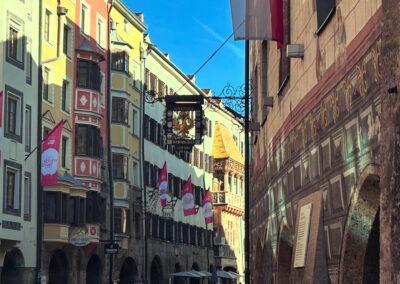
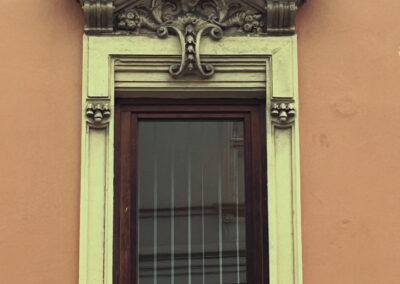
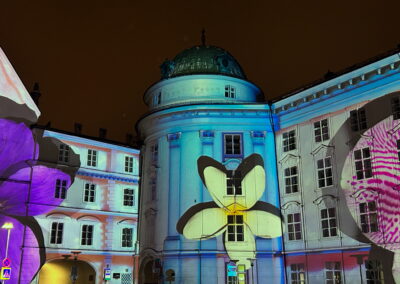
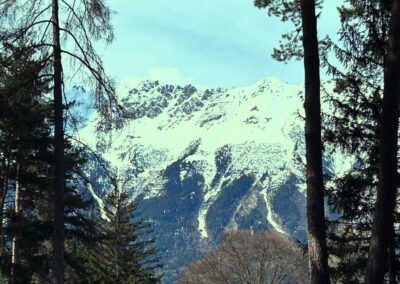
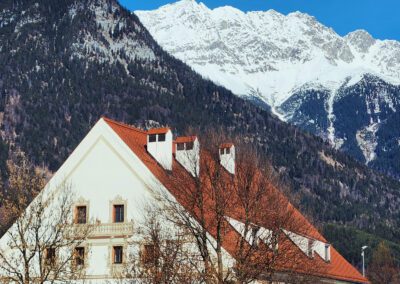

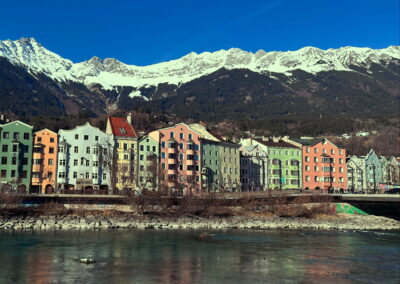
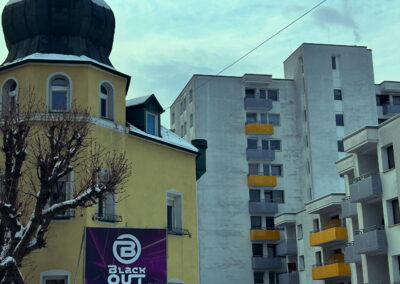
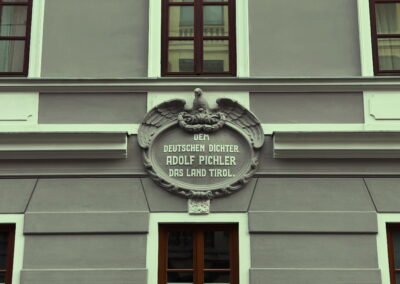
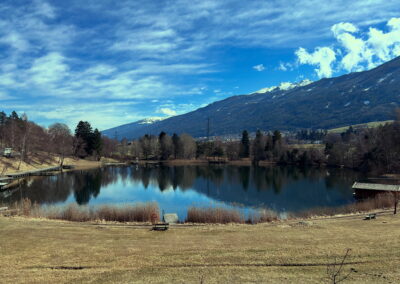
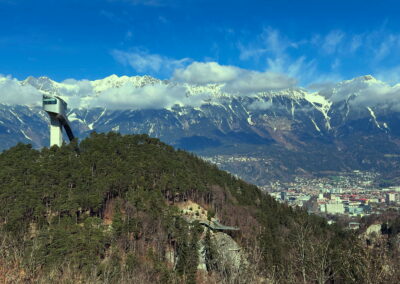
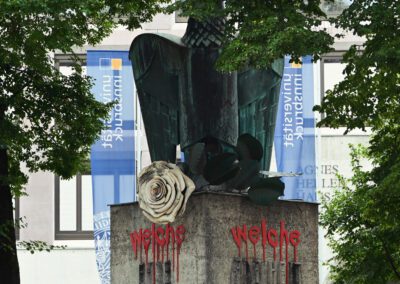
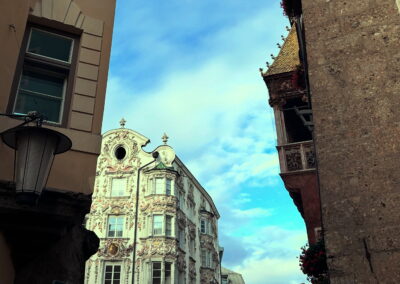
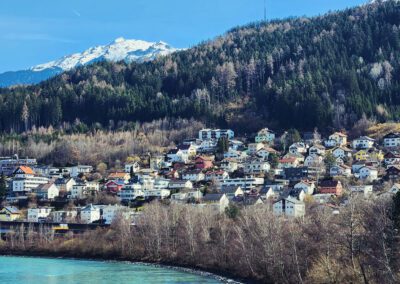
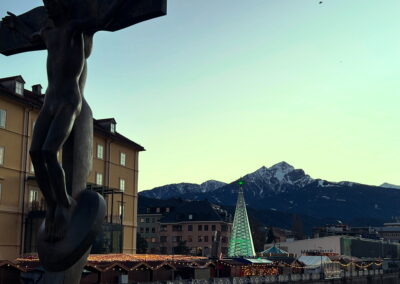
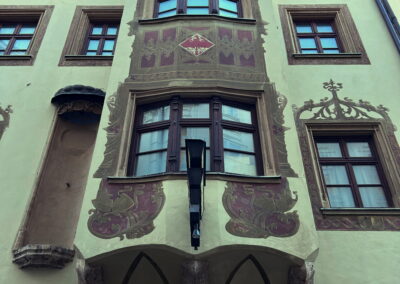
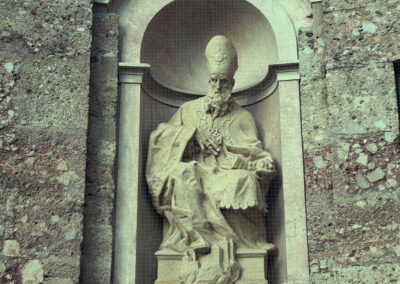
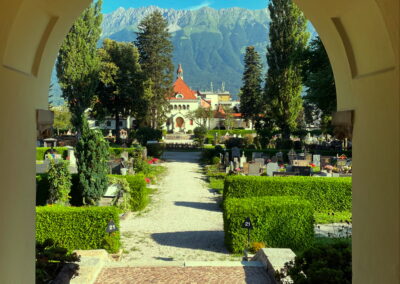

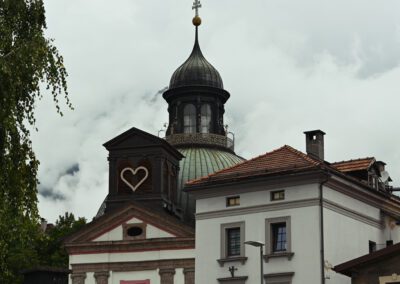
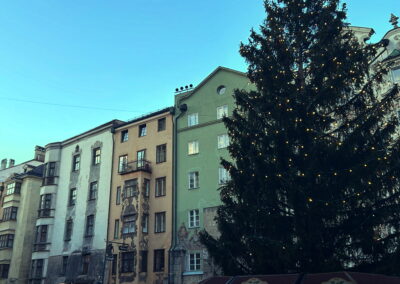
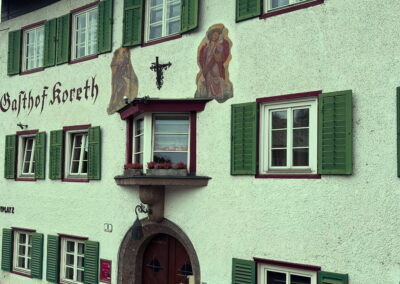
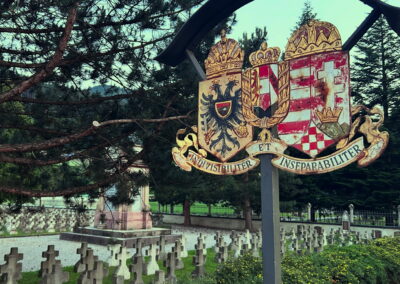
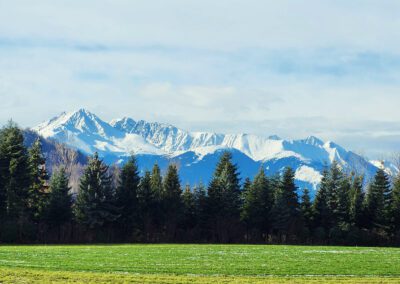
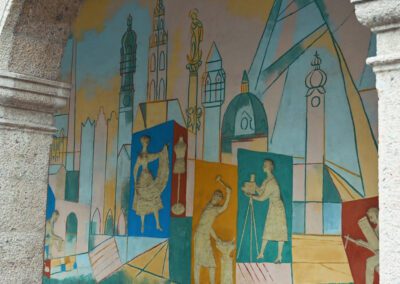
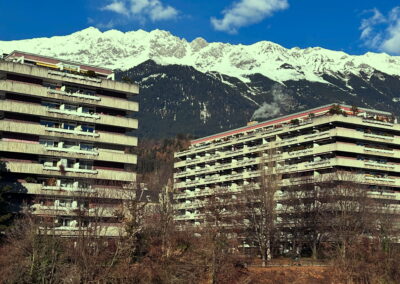
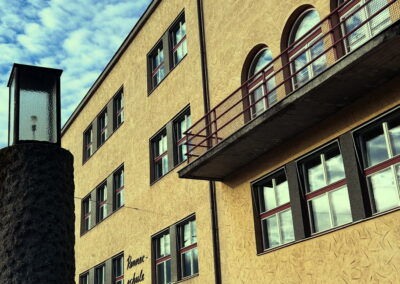
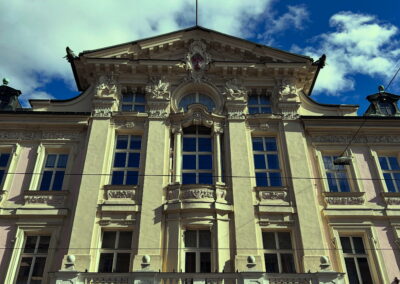
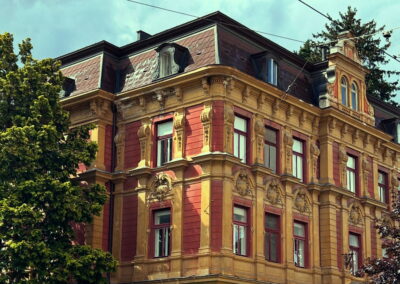
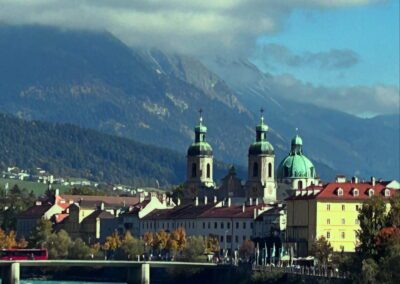
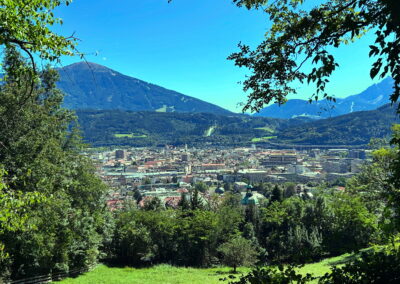
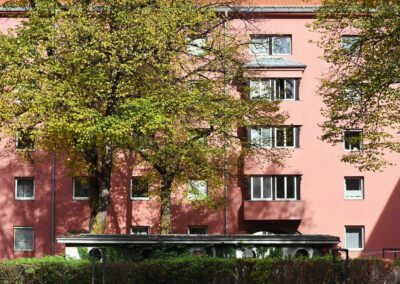
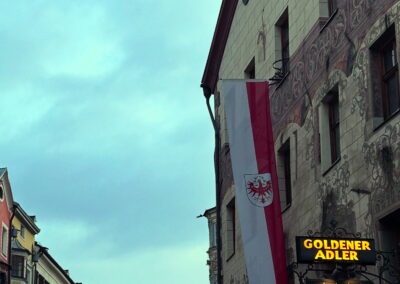
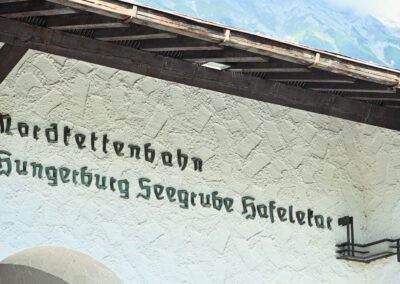
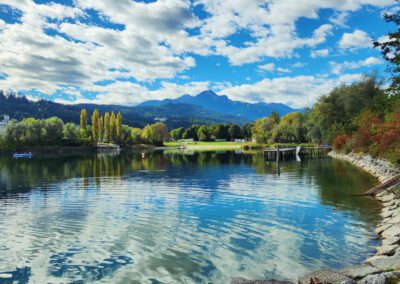
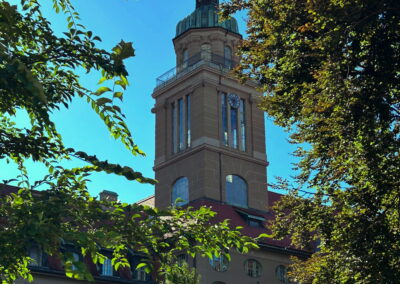
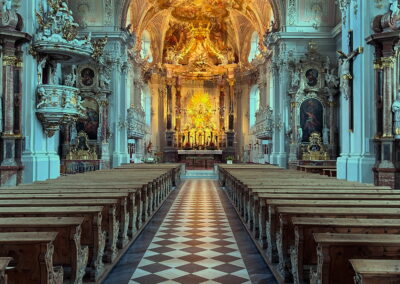
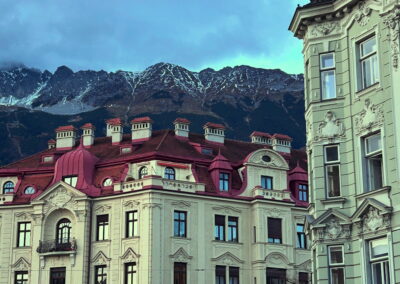
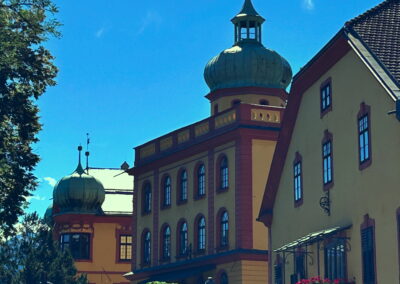
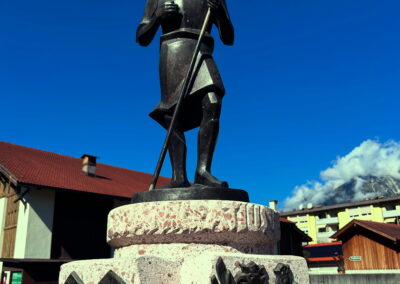
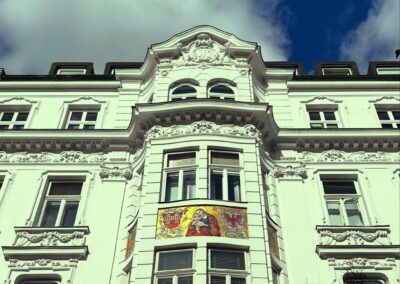
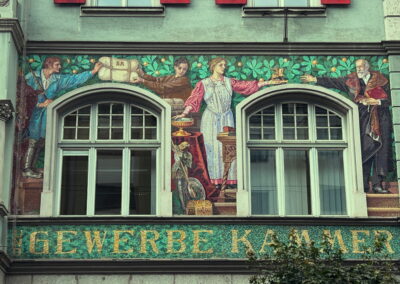
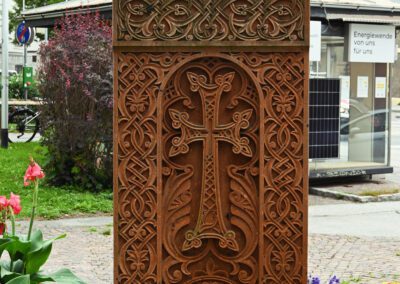
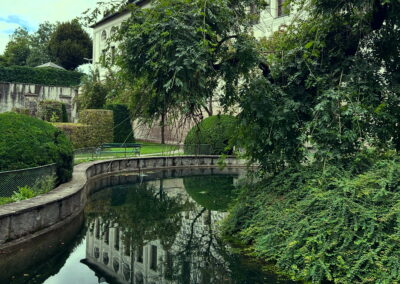
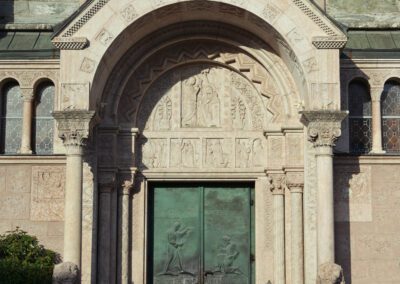
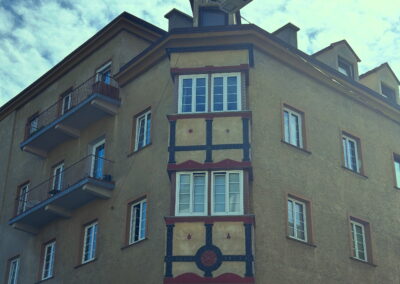
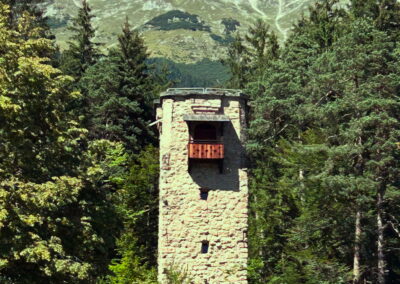
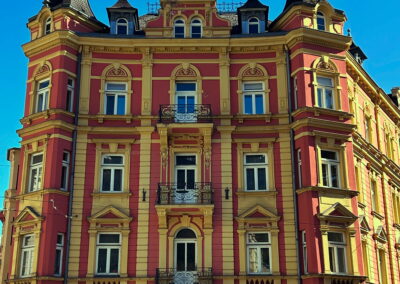
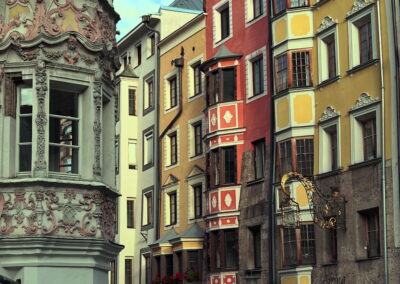
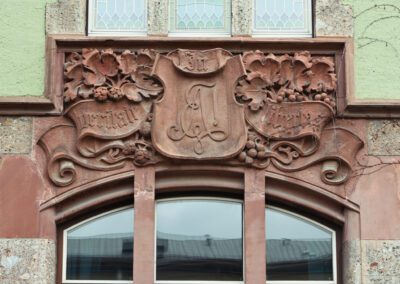
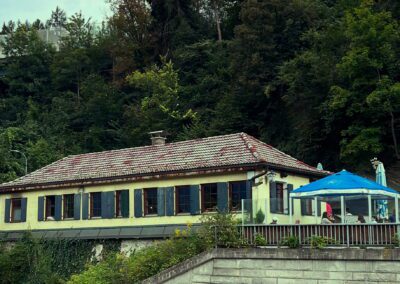
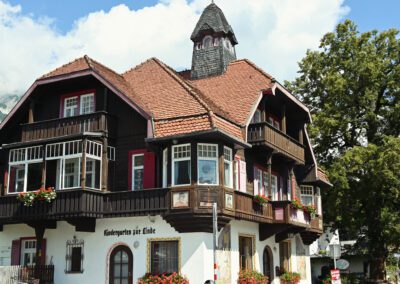
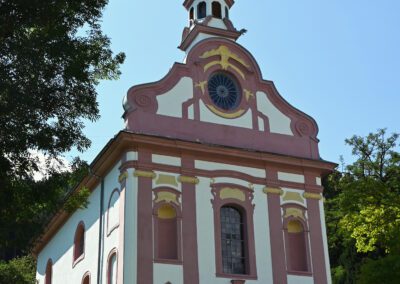
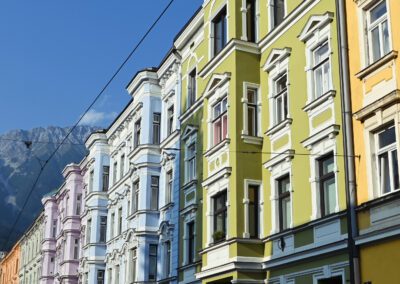
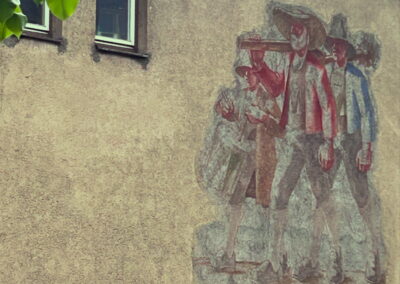
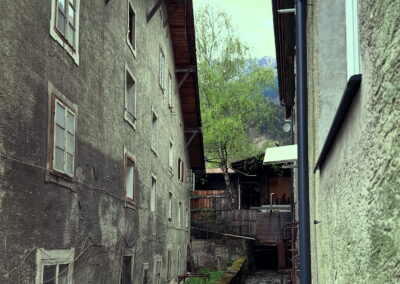
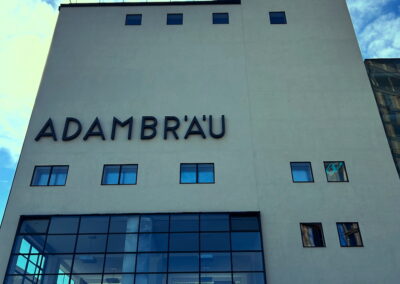
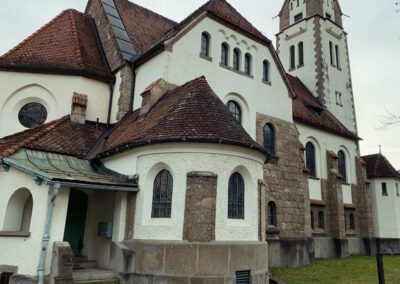
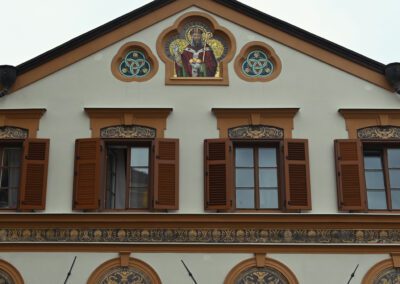
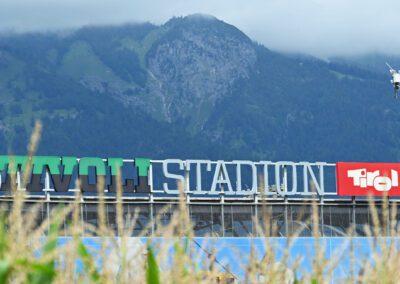
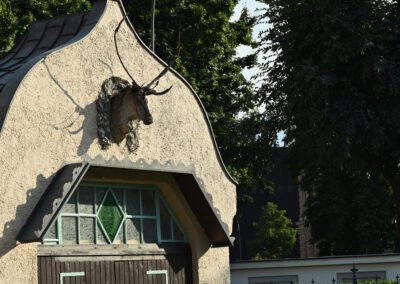
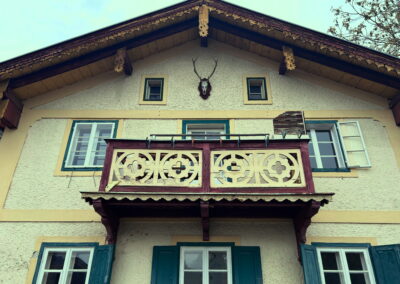
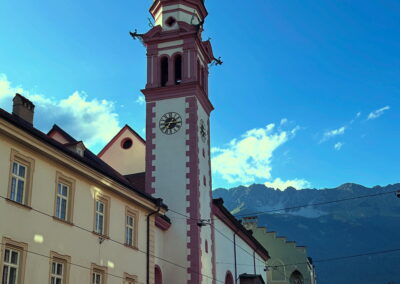
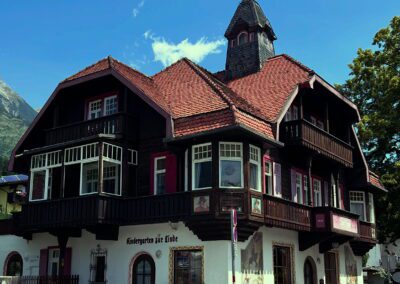
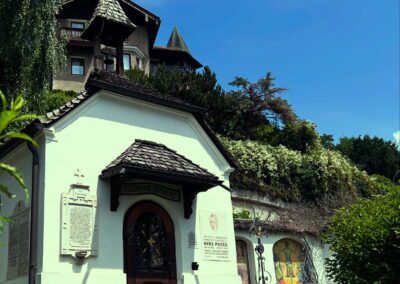
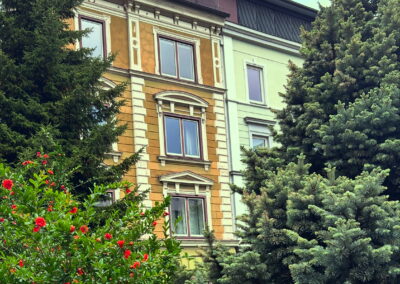
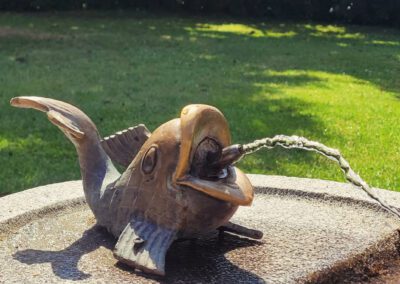
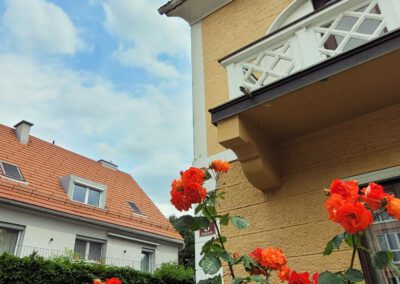
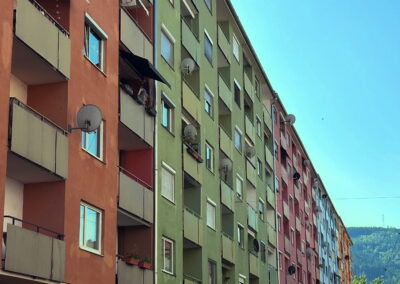
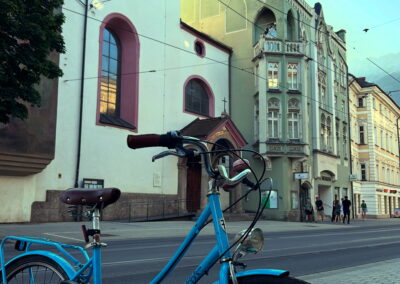
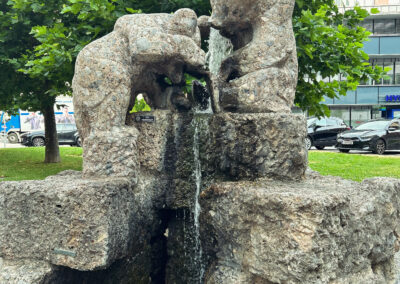
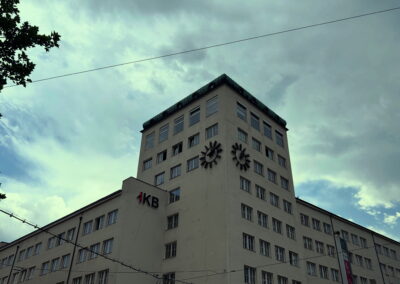
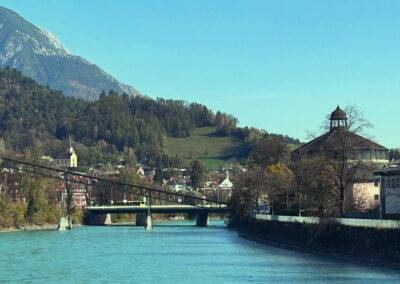
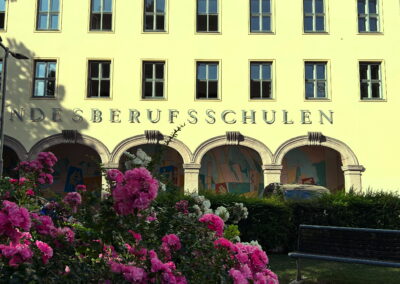
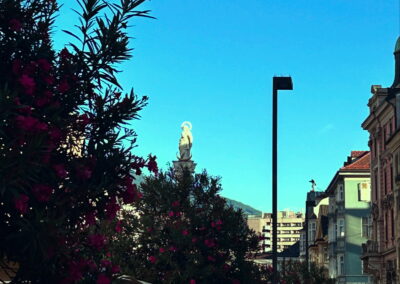
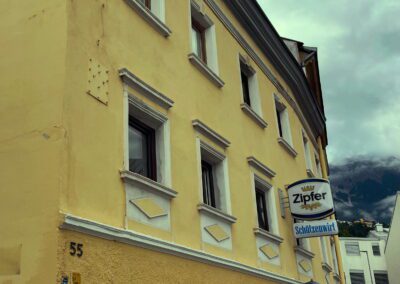
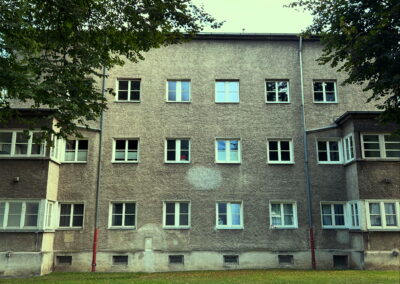

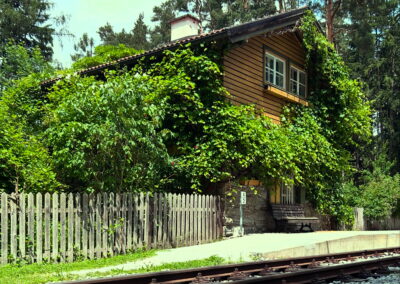
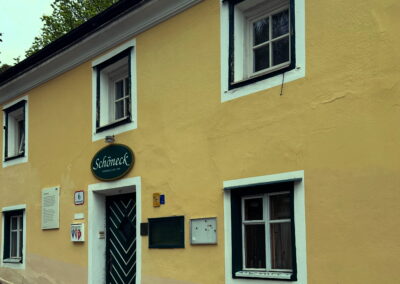
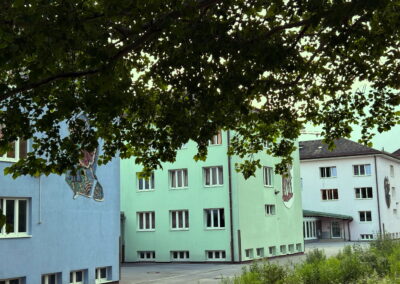
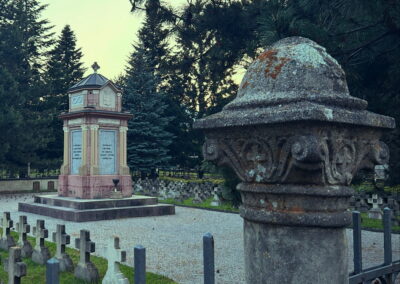
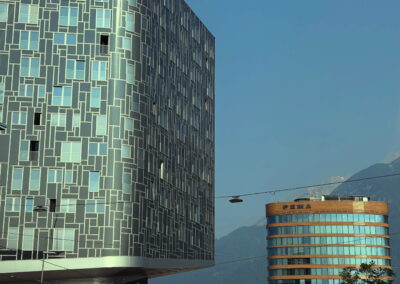
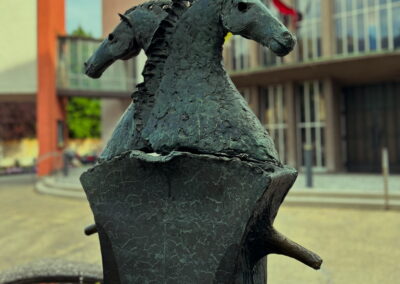
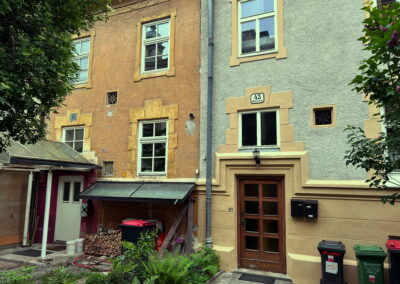
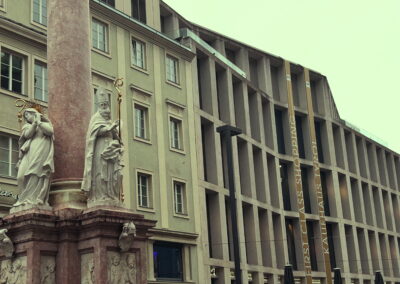
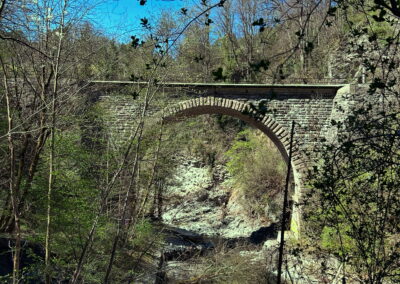
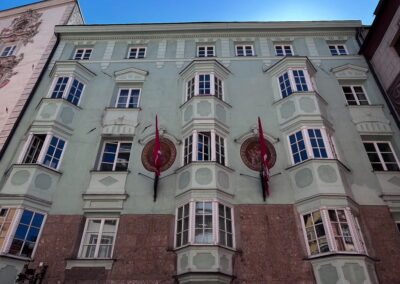
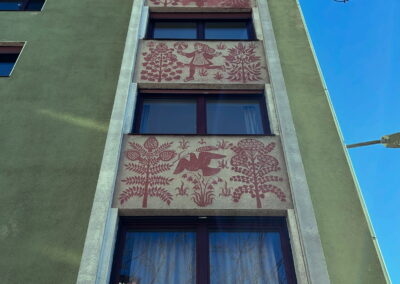
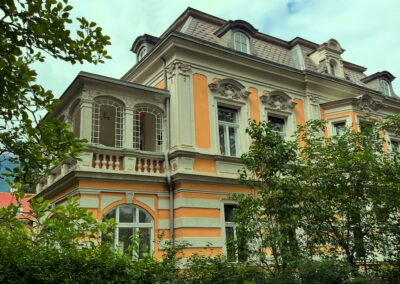
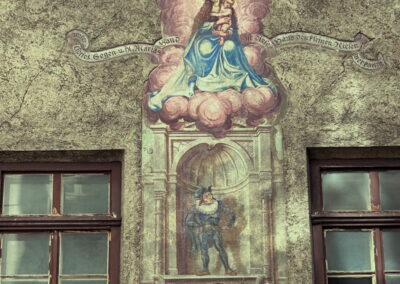
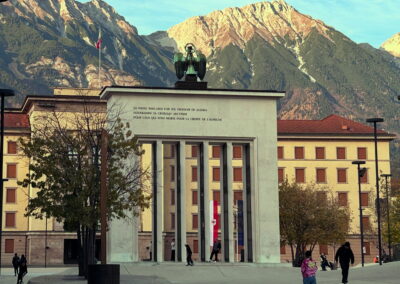
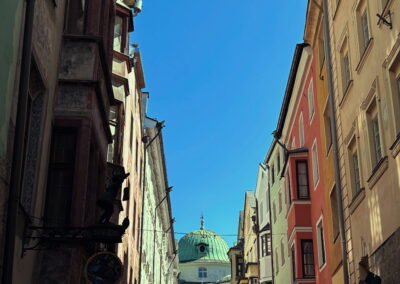
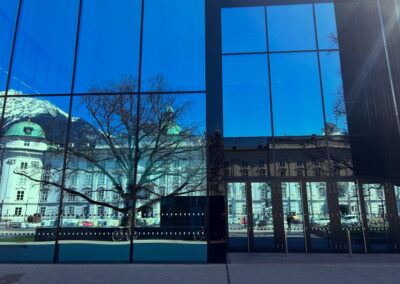
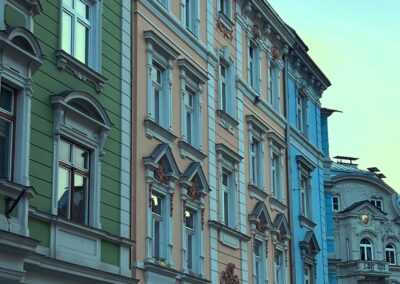
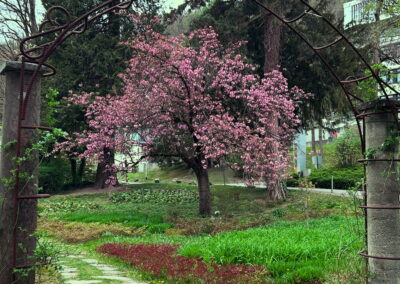
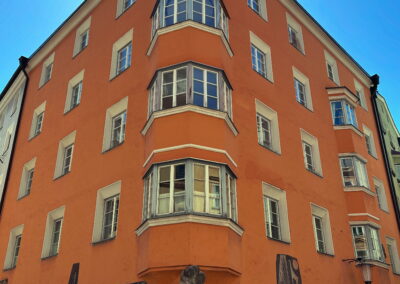



















































...from the history of the city
Your daily dose of interesting facts Innsbruck.
Why this website?
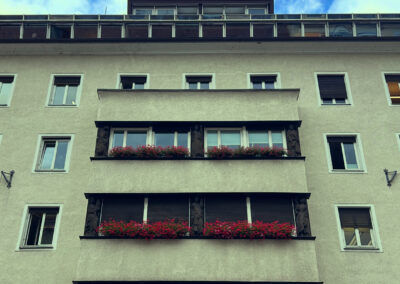
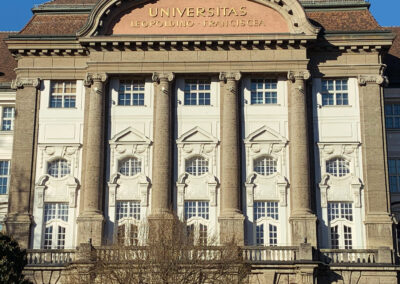
In Innsbruck I almost always return on foot or by bike. In nice weather, I sweeten my way to work from Amras in the east to the Höttinger Au in the west of the city by taking a short detour through the city center. Pradlerstraße with its houses in Tyrolean style and the farms, the Universitätsstraße with the modern business university on one side and the Faculty of Theology in the Jesuit church on the other, the old town and Mariahilf are also something special again after years. Walks often lead me through the old village of Wilten, the Koatlackn or the Saggen, where I quietly envy the residents of the beautiful villas and am annoyed that this is happening to them. Panoramagebäude There is still unused vacant space. With my contributions, I want to introduce both visitors and locals to the well-known as well as the less obvious sights and the associated history(ies). Innsbruck’s outskirts play a role here, as do buildings from the interwar period, seemingly utilitarian structures, inconspicuous everyday monuments, and the classic highlights of the Old Town. In addition to the site-specific contributions, the chapters in the part Wissenswertes through the history of Innsbruck and, if helpful and necessary, a little beyond that. Austria’s perhaps most significant philosophy export Sir Karl Popper, and who would disagree with that? He once said that there is no ONE history. There are only many stories that coexist, contradict, or complement each other. I am happy to follow this approach. Buildings, places, history, Stories, People and legends thus become intertwined into a relatable narrative that can be followed either on site or comfortably at home on the couch. While taking walks, photo safaris, and conducting research, I learned a lot of new things about my hometown that I thought I knew inside and out. I hope the reader has just as much fun and joy reading and exploring on their own as I did while writing it.
Introduction
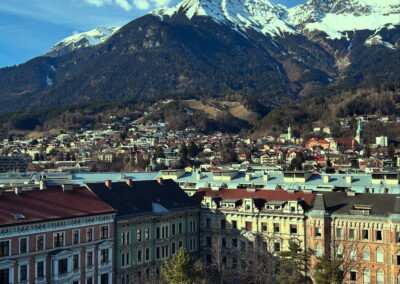
The identity of a city is fed by its buildings, its visitors, and its inhabitants. From Rome came the Eternal city, From Paris the City of Love And from New York the city that never sleeps. Innsbruck also accumulated a lot of anecdotal and historical filler over the past 2000 years. There is not a SINGLE Innsbruck; every time it has had its own Innsbruck. Looking at old city views and panoramas of Innsbruck, one can see how much the city has changed. The Innsbruck of 1500 has as little to do with the Innsbruck of 1800 as the one of 1900 has to do with the one of 2000. For a long time, Innsbruck was no more than a small fortified city, a bridge with a customs station between the trade centers north and south of the Brenner. A few revolutions, world wars, Olympic Games, and expansion and reconstruction phases later, Innsbruck has since the turn of the millennium declared itself a „world city“. Or a sports city. Or the capital of the Alps. Or a hip, young university city. It all depends entirely on the observer and the circumstances and the era of their stay. Depending on who, when, and with what background told about Innsbruck, a different view of the city was presented, thereby also shaping its identity.
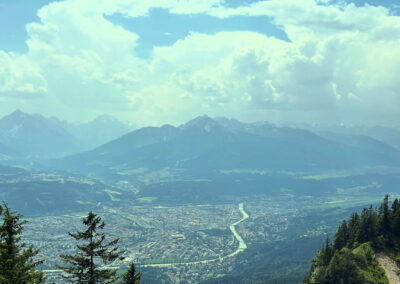
„Bei Zirl fährt man ins Inntal herab. Die Lage ist unbeschreiblich schön, und der hohe Sonnenduft machte sie ganz herrlich. Der Postillon eilte mehr, als ich wünschte: er hatte noch keine Messe gehört und wollte sie in Innsbruck, es war eben Marientag, um desto andächtiger zu sich nehmen. Nun rasselte es immer an dem Inn hinab, an der Martinswand vorbei, einer steil abgehenden ungeheuern Kalkwand. Zu dem Platze, wohin Kaiser Maximilian sich verstiegen haben soll, getraute ich mir wohl ohne Engel hin und her zu kommen, ob es gleich immer ein frevelhaftes Unternehmen wäre. Innsbruck liegt herrlich in einem breiten, reichen Tale zwischen hohen Felsen und Gebirgen. Erst wollte ich dableiben, aber es ließ mir keine Ruhe. Kurze Zeit ergetzte ich mich an dem Sohne des Wirts, einem leibhaftigen Söller. So begegnen mir nach und nach meine Menschen. Das Fest Mariä Geburt zu feiern, ist alles geputzt. Gesund und wohlhäbig, zu Scharen, wallfahrten sie nach Wilten, einem Andachtsorte, eine Viertelstunde von der Stadt gegen das Gebirge zu. Um zwei Uhr, als mein rollender Wagen das muntere bunte Gedränge teilte, war alles in frohem Zug und Gang.“
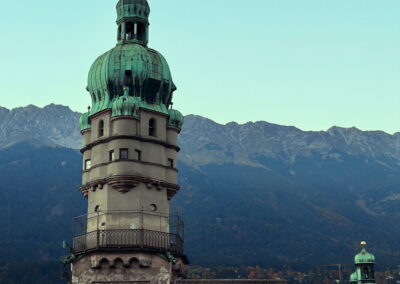
Johann Wolfgang Goethe noted this in his diary in 1786, after passing through the city on the way to Italy. The poet-prince was a representative of early Romanticism and a child of the Age of Enlightenment. The exotic Alpine inhabitants of Tyrol, with their rural appearance and customs, and the wild mountain landscape fascinated him. It was reports from writers like Goethe that laid the foundation for tourism in the Alpine region. Seventy years later, the description sounded sober. Today, Innsbruckers may rightly be proud of their old town. In the 19th century, however, people did not hold much esteem for the old buildings. Innsbruck was also gripped by the craze for modernization; a complete redesign of the old town was more than just being considered. In 1862, they had already selected a winning design for the new neo-Gothic town hall on the site where today the Old town hall along with the city tower. From today’s perspective, it is a stroke of luck that the funds were lacking at the time to implement the bold plans. In a travel report from the year 1846, the following is about the old part of the city:„am Fuße dieser Gebirgsdekoration im Innthale“ zu lesen:
„Alterthümliche Baudenkmale von Kunstinteresse besitzt Innsbruck, mit Ausnahme des goldnen Dachlgebäudes, keine. Zu dem freundlichen Eindruck, den ihr Anblick von dieser Seite hervorbringt, trägt der Umstand wesentlich bei, daß sie nicht, wie man vermuthen könnte, aus einer Mehrzahl von alterthümlichen, sondern im Gegentheil von neuern Gebäuden besteht… Die Häuser der Altstadt, mit Laubengängen nach italienischer Sitte versehen, sind mehrentheils von älterer, schlechter Bauart.“
The interwar period was less poetic than Goethe's Romantic era and also lacked the euphoria of the 19th century. In the 1920s, the writer Ödön von Horvath (1901–1938), a sharp-tongued cynic who had experienced the horrors of the First World War and the disintegration of Austria-Hungary, created his character Kobler in the book “Der ewige Spießer“ Still think Innsbruck is too far-fetched.
„Unter dieser Dunstwolke lag Innsbruck, die Hauptstadt des heiligen Landes Tirol. Kobler wusste nichts weiter von ihr, als dass sie ein berühmtes goldenes Dachl hat, einen preiswerten Tiroler Wein und dass der Reisende, der von Westen ankommt, zur linken Hand einige große Bordelle sehen kann.“
Cities are tangible history. The architecture, construction methods, materials, and purposes of buildings are clues to the political, cultural, financial, and social circumstances under which they were built. The history of a city does not end at its local boundaries. Styles such as Baroque, Historicism, or Brutalism were not an exclusive feature of Innsbruck. Works of art, buildings, and neighborhoods did not emerge without reason. The Gothic houses of the Old Town tell the story of Innsbruck’s development in the Middle Ages and the early modern era. The guild houses of the aristocracy in Maria-Theresienstraße provide insight into early capitalism and the beginnings of the end of the feudal economy. The armoury provides a glimpse into a time when Innsbruck was the military armaments and power center of the Alpine region. The residential buildings of Wiltens, Saggens, and Pradl show the growth and social, economic, and cultural changes of the 19th century. The often unsightly buildings of the second half of the 20th century bear witness to the air raids, the austere post-war era and the resurgence, while the sports venues revive the spirit of two Olympic Games.
Among the 101 places in this book are of course the usual suspects that every resident and visitor is aware of. However, just as much space is given to places, buildings, streets, and monuments that we pass by every day without giving them much thought, but which prove to be no less interesting upon closer inspection. The same applies to the articles in the category “Interesting Facts.” In addition to the well-known figures in the city’s history such as Maximilian, Friedrich, and Ferdinand, we also hear the voices of officials, artisans, brewers, park officials, builders, university professors, and entertainers as they tell the story of Innsbruck.