
Innsbruck - city of bureaucrats and civil servants
On the underestimated role of bureaucracy and administration over the centuries.
On the underestimated role of bureaucracy and administration over the centuries.
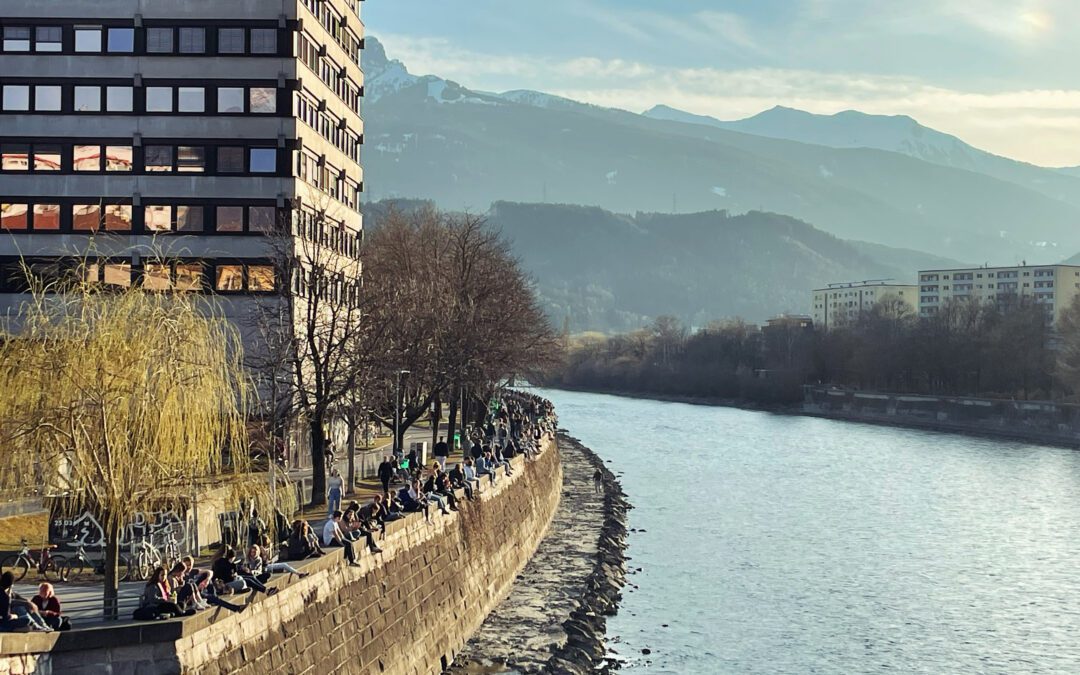
Since 1669, the university has been more than just an educational institution. In many respects, Innsbruck would not be the same city without its students.

From the beginnings of the enlightened, bourgeois age and coffee house culture in Innsbruck

The first half of the 19th century was characterised by many wars.

The Napoleonic Wars gave the province of Tyrol a national epic and a hero whose splendour still shines today.

The time after the Napoleonic Wars was hard.

Tyrol was a long way from civil war and uprisings, but the March Revolutions nevertheless brought about many changes in the political and social structure.

Adolf Pichler legte in seinem langen Leben eine bemerkenswerte Karriere in vielerlei Hinsicht hin.

The city of Innsbruck was significantly shaped by two industrial revolutions.

In the society of the Danube Monarchy, which was not yet regulated down to the last detail, hard-working and capable people from the peasantry, the working classes or craftsmen were able to make astonishing progress without formal training, qualifying examinations or state authorisation.

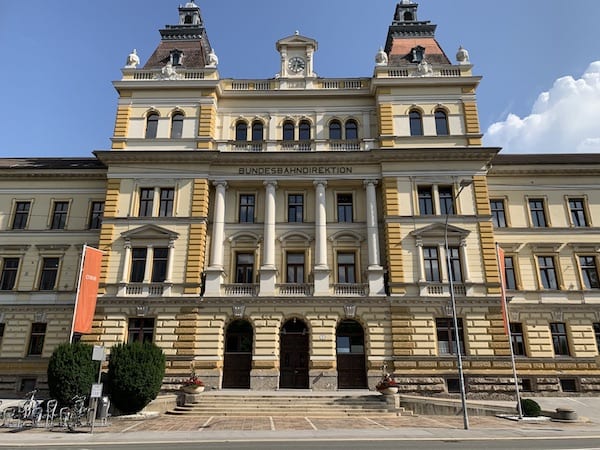
Kaum etwas hatte größeren Einfluss auf Innsbruck als die Anbindung Tirols an die Eisenbahn.
Since the late 18th century, Tyrol has gradually developed from a transit country into a tourist destination.

Innsbruck can look back on a long tradition as a city of sport.

The self-made millionaire was probably Innsbruck's biggest private patron.

The intelligent, liberal-minded and sensitive Crown Prince Rudolf (1858 - 1889) was regarded as the favourite of the peoples of the Habsburg Empire.

"Light, air and sun" was the motto of the Lebensreform, which began in the late 19th century in step with the development of social democracy and the rise of the bourgeoisie.
Von Burschenschaften, Unruhen und der Affäre Wahrmund.

One of the most important figures in the city's history was the mayor of Innsbruck, Wilhelm Greil

The old dispute between Italian and German-speaking Tyroleans escalated into bloody riots in November 1904.

At the end of the 19th and beginning of the 20th century, entire neighbourhoods were created in the historic gold rush of expansion.

About Innsbruck amusements in farmers' theatres and cinemas.