
Innsbruck - city of bureaucrats and civil servants
On the underestimated role of bureaucracy and administration over the centuries.
On the underestimated role of bureaucracy and administration over the centuries.
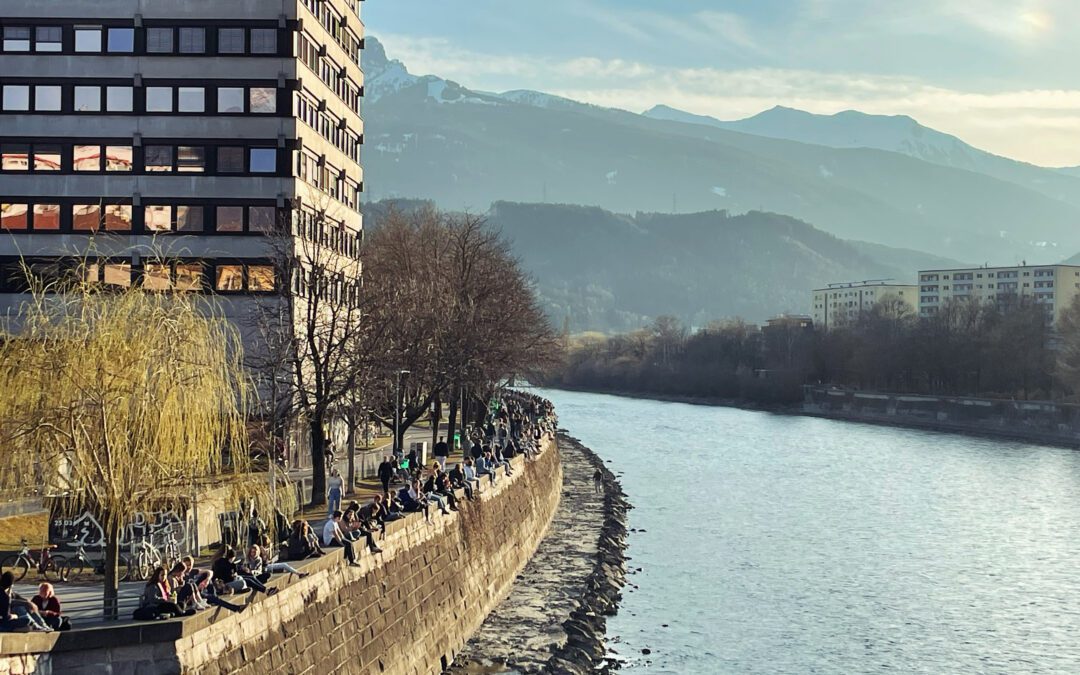
Since 1669, the university has been more than just an educational institution. In many respects, Innsbruck would not be the same city without its students.

From the beginnings of the enlightened, bourgeois age and coffee house culture in Innsbruck

The city of Innsbruck was significantly shaped by two industrial revolutions.

In the society of the Danube Monarchy, which was not yet regulated down to the last detail, hard-working and capable people from the peasantry, the working classes or craftsmen were able to make astonishing progress without formal training, qualifying examinations or state authorisation.
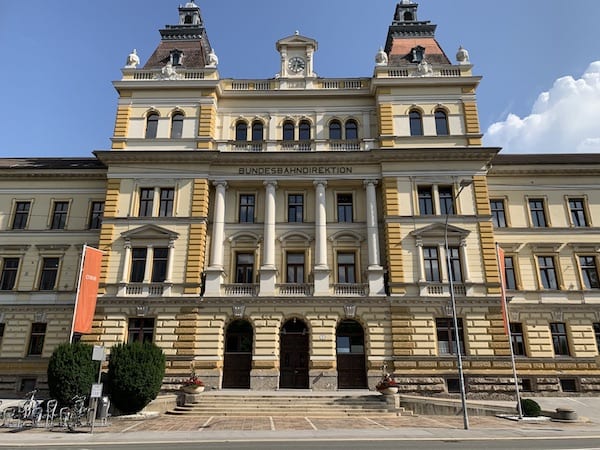
Since the late 18th century, Tyrol has gradually developed from a transit country into a tourist destination.

Innsbruck can look back on a long tradition as a city of sport.

The self-made millionaire was probably Innsbruck's biggest private patron.

"Light, air and sun" was the motto of the Lebensreform, which began in the late 19th century in step with the development of social democracy and the rise of the bourgeoisie.
Von Burschenschaften, Unruhen und der Affäre Wahrmund.

One of the most important figures in the city's history was the mayor of Innsbruck, Wilhelm Greil

The old dispute between Italian and German-speaking Tyroleans escalated into bloody riots in November 1904.

At the end of the 19th and beginning of the 20th century, entire neighbourhoods were created in the historic gold rush of expansion.

Even though Innsbruck was not directly on the front line, the First World War was felt in the city.

Few eras are more difficult to grasp than the interwar period.

Franz Baumann was probably Innsbruck's most famous architect of the 20th century.

In the late 1920s, pioneering building projects were realised in Innsbruck under Theodor Prachensky.

The interwar period is one of the most contradictory and difficult to categorise chapters in Austrian history.

From the end of the monarchy to the post-war period, Martin and Maria Rapoldi were among the most impressive personalities in Innsbruck's city politics

About Innsbruck amusements in farmers' theatres and cinemas.

It was only a small step from Greater German liberal ideas to National Socialism.

Franz Hofer's story reflects the way National Socialism was dealt with after the end of the war.
The pogroms, which went down in history as Kristallnacht, also claimed numerous victims in Innsbruck.

The air raids of the Second World War changed Innsbruck's appearance in almost all parts of the city.

Perhaps the most spectacular episode in Innsbruck's history, which was not remembered for a long time, took place at the end of the Second World War.
The post-war period was characterised by hunger, shortages, illness and anarchy.

What inconspicuous works of art on everyday buildings tell us about ideals and reality in the post-war period.

In the 1960s and 70s, modern and conservative ideas of virtuous living clashed in Innsbruck.
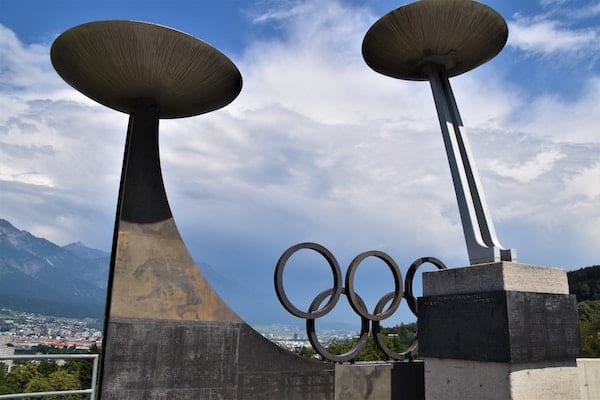
The effects on the city of the Olympic Games of '64 and '76 were not only of a sporting nature.